Techno music has grown into a vibrant scene that shapes the music industry, as new musicians join veterans in the digital world. Ten-year old names like Charlotte de Witte and Carl Cox still dominate global techno, while Berlin’s underground scene quietly shapes the next generation of tech house artists you should know about.
The scene goes deeper than mainstream names. We found that there was an incredible group of minimal tech house artists who create innovative sounds in Berlin’s hidden venues. These top tech house artists mix sounds from Persian instrumentation to industrial textures in a variety of ways. Their dark tech house experiences push creative limits. Most of these artists stay hidden, but talents like Sina XX demonstrate how underground collectives can energize entire city scenes.
In this piece, I’ll show you Berlin’s most exciting underground talents of 2026. You’ll see why these tech house artists deserve worldwide recognition while they keep their underground roots strong.
Inside Berlin’s Tech House Underground in 2026
Berlin’s electronic pulse stands unmatched for decades. The city’s underground tech house scene has reached new creative heights in 2026. The most innovative sounds now come from small basement venues in Kreuzberg and Wedding. These intimate spaces rarely hold more than 200 people, unlike the huge warehouses of earlier days.
Why Berlin remains a global hub for electronic music
Artists worldwide flock to Berlin thanks to cheap studio spaces and relaxed club licensing laws. The city sets itself apart from other electronic music capitals through its steadfast dedication to artistic authenticity rather than commercial success. London and New York’s scenes have become more commercialized, but Berlin’s underground stays fiercely independent.
“In Berlin, you’re allowed to fail,” says Otto Reign, known for unpredictable live sets. “I can try something completely new without worrying about disappointing a promoter who paid me a huge sum.”
This freedom helps artists expand their boundaries instead of chasing trends. The city has developed its own sonic identity. You’ll hear stripped-back productions, hypnotic rhythms, and industrial textures that echo the raw energy of abandoned factory spaces.
Table of Contents
The rise of micro-scenes and collectives
The biggest change in Berlin’s tech house scene comes from tight-knit artist collectives with specific sonic approaches. These groups create their own ecosystems rather than competing for spots at well-known venues.
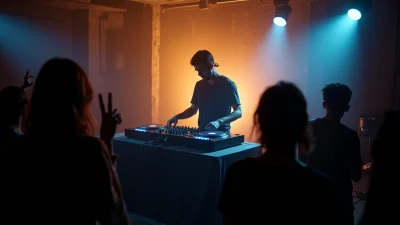
Groups like Schwarzlicht and Nachttraum turn old storage spaces into pop-up venues where producers showcase their work. These micro-scenes use encrypted messaging channels and word-of-mouth promotion. They limit their visibility to protect their artistic integrity.
“Our parties aren’t advertised on Facebook or Instagram,” says Felix Drexler, who has built a dedicated following with his lo-fi productions. “If you’re meant to find us, you will.”
This approach creates passionate communities around specific sonic esthetics:
Minimal Collective: Artists like Clara Vonn focusing on stripped-back productions with industrial influences
Afro-Tech Movement: Represented by NINAH, blending traditional African rhythms with Berlin’s electronic sensibilities
Modular Experimentalists: Led by artists using exclusively analog gear for unpredictable live performances
How underground artists are redefining the genre
Berlin’s tech house artists break free from the formulaic approach of previous years. These innovators combine elements from ambient, industrial, and classical music into their productions instead of following rigid structures.
The result defies easy categorization. The sound stays danceable yet makes you contemplate, aggressive yet nuanced. DJ Kuro shows this perfectly by mixing traditional Japanese instruments with deep, rumbling basslines that challenge listeners while keeping them moving.
Many artists have moved away from traditional DJ setups. Live hardware performances with modular synthesizers, drum machines, and custom-built instruments dominate club nights. These shows offer genuine artistic experiences rather than simple DJ sets.
This progress reflects Berlin’s multicultural identity beautifully. MIRA X puts it well: “Berlin isn’t just a German city—it’s a global meeting point where ideas collide and transform.” This cultural fusion creates tech house that blends Middle Eastern rhythms with South American percussion. The result is a truly global sound with Berlin’s distinctive atmospheric touch.
Minimal, Dark, and Experimental: The New Tech House Esthetic
Berlin’s underground scene has transformed the tech house landscape with a new esthetic. The genre’s commercial peak once featured predictable, loop-driven productions. Now, a fresh wave of minimal, dark, and experimental approaches defines the city’s electronic underground in 2026.
Minimal tech house artists leading the change
Minimalism has become the life-blood of Berlin’s most innovative tech house productions. Di Chiara Brothers combine tight percussion with refined sound design. Their elegant and hypnotic tracks appeal to European venues from Milan to Amsterdam. This stripped-back approach values space and texture over melodic complexity.
London-born Rossi stands as a pillar of the new generation. He blends crisp hi-hats and rolling sub-bass with warm analog textures. His music on respected labels like Eastenderz and Fuse London perfectly combines UK sensibilities with Berlin’s minimal esthetic.
Chris Stussy from The Hague has redefined modern deep tech and minimal house through his label Up The Stuss. His warm analog depth, driving percussion, and melodic atmosphere pack venues across Europe. This Dutch influence adds richness to Berlin’s minimal tech house palette, showing how the genre surpasses national boundaries.
Dark tech house influences from industrial and dub
Dark tech house has gained momentum by drawing from industrial and dub traditions. This atmospheric underworld features several distinct elements:
Haunting synth textures that build tension
Pulsating sub-bass providing solid foundations
Gritty noise elements adding industrial intensity
Robotic vocal phrases with heavy distortion
These productions reflect Berlin’s industrial heritage. Abandoned factories and concrete architecture inspire sounds that blend function with emotion. Dark tech house has created its own subculture within the broader scene. Late-night warehouse sessions take priority over peak-time club moments.
Dub influences spread through this darker esthetic with spacious reverbs and delay effects that create cavernous soundscapes. Artists craft these sounds with Berlin’s clinical precision while adding hazy, psychedelic elements of dub techno.
Experimental live sets and modular gear
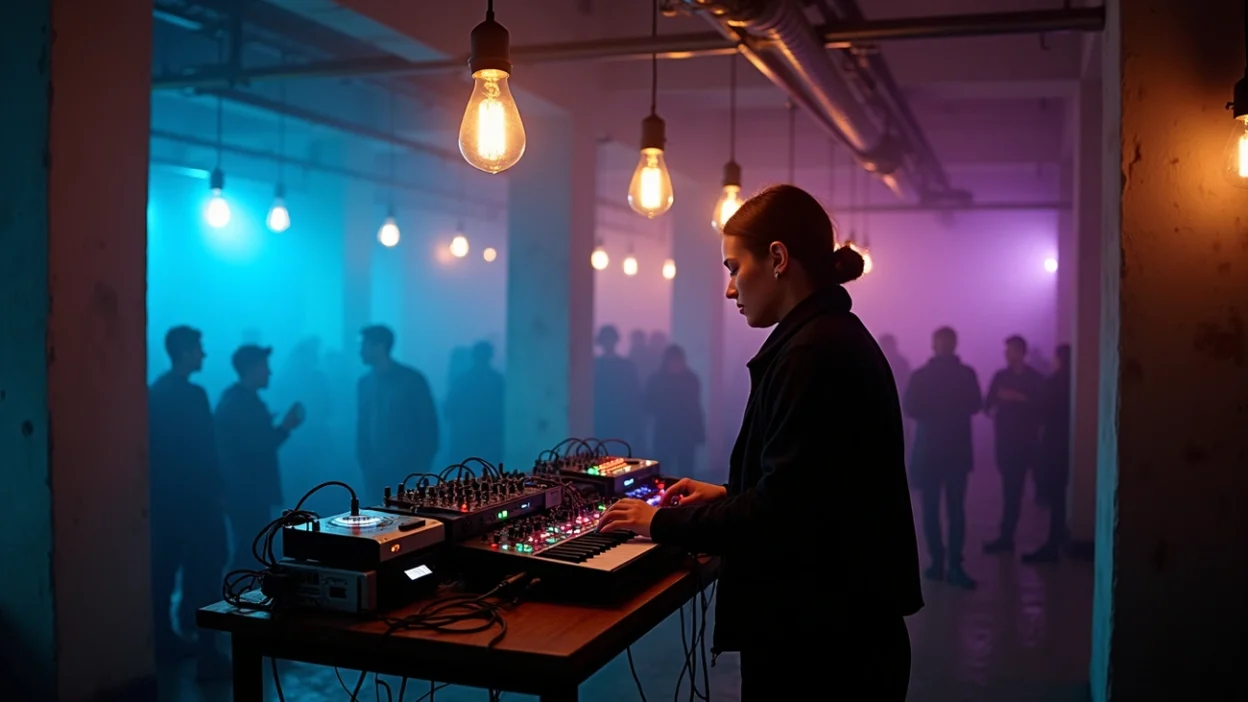
One of the most exciting developments among Berlin’s underground tech house artists is the clear shift toward experimental live performances. Many tech house artists are moving away from traditional DJ setups and instead using modular synthesizers and hardware-based rigs. This approach enables real-time musical improvisation and transforms performances into living, evolving creations.
As one producer explains: “I’ve been messing around with every techno genre I’ve ever learned, throwing it all into one live setup… no backing tracks, no safety net, just me versus the machines.” This willingness to embrace failure and unpredictability perfectly defines the experimental mindset shared by Berlin’s tech house artists.
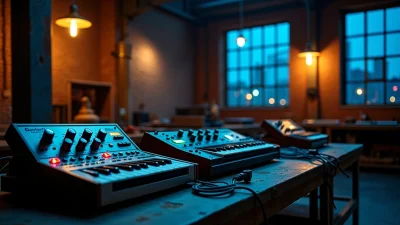
The Elektron Syntakt has become a favorite tool among Berlin-based tech house artists. Some even say, “You could create an entire Berlin School album using only the Syntakt.” Meanwhile, the Minitaur delivers classic Moog warmth at an accessible price point, making it especially popular with minimal tech house artists seeking rich analog depth in their sound.
Berlin’s modular synthesis community continues to grow alongside its network of tech house artists. Events such as synth flea markets allow gear enthusiasts and tech house artists to connect, exchange equipment, and share creative knowledge. These gatherings go far beyond gear trading—they actively nurture sonic experimentation and collaborative learning.
Through this culture of hands-on exploration, Berlin’s tech house artists continue to redefine what the genre can be. By pushing the boundaries of live performance and sound design, they expand the limits of tech house while staying deeply rooted in the city’s underground ethos.
Meet the Hidden Gems: 8 Berlin-Based Tech House Artists
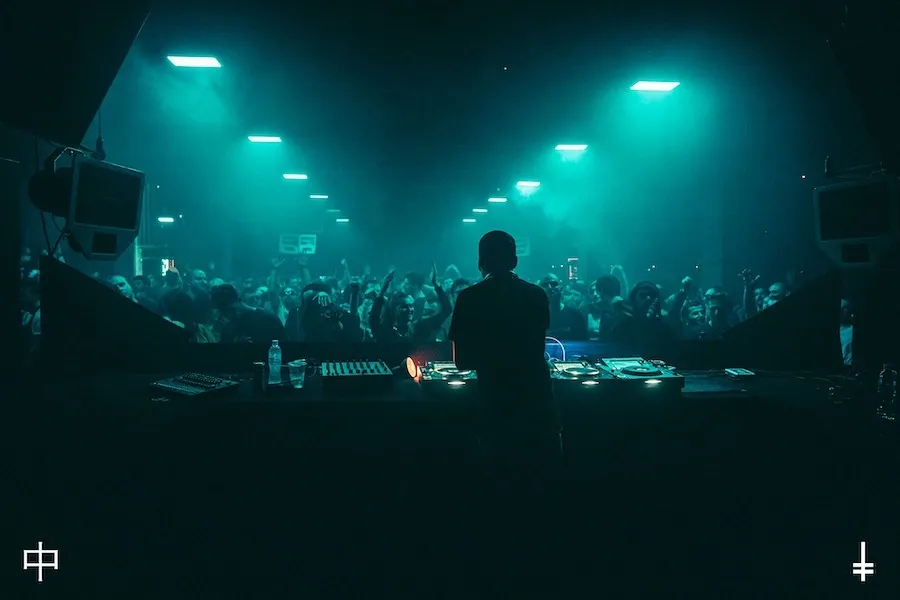
Image Source: Berlin-Enjoy
Berlin’s famous club scene hides a world where the next generation of tech house artists creates sounds beyond conventional classifications. These innovative producers represent the city’s forward-thinking spirit while staying away from the mainstream spotlight.
1. Clara Vonn – Industrial minimalism with a twist
Clara strips techno to its core elements and rebuilds it with unexpected industrial flourishes. Her sound combines mechanical percussion with ethereal pads that capture Berlin’s warehouse esthetic. She stays true to small-venue performances where connecting with the audience matters more than commercial success.
2. DJ Kuro – Cross-cultural rhythms and deep bass
Kuro’s electronic music path has evolved from house-electro sets at 128BPM to his current cross-cultural sound. His recent “future beats” showcase showed how he blends global influences into seamless experiences. Kuro explains: “I had absolutely no clue how to mix this properly, so I kind of did it my own way”. This natural approach has become his trademark.
3. Luma – Ambient textures meet club-ready beats
Luma’s music stands out with its atmospheric depth. She creates ambient textures that work perfectly on the dancefloor. Her sound connects thoughtful listening with physical movement and works equally well at sunrise sessions or peak-time slots.
4. Otto Reign – Live modular sets and analog gear
Otto has moved away from traditional DJ formats to perform exclusively with modular synthesizers. He creates unpredictable, cinematic industrial sets through his mastery of hardware: “Whether you’re a Eurorack enthusiast, hardware synth aficionado, or electronic music producer exploring live performance, this explores the tools, techniques, and workflow that shape my cinematic industrial sets”. His performances use OXI One sequencers and specialized voice modules to turn club nights into technical showcases.
5. Felix Drexler – Raw, lo-fi grooves from Neukölln
Felix captures Neukölln’s raw charm through unpolished compositions. His tracks keep an organic, handmade feel with vintage equipment and minimal processing. This authentic approach has earned him loyal followers who look beyond polished production.
6. MIRA X – Feminine energy in dark tech house
MIRA delivers “the true essence of deep house—dark, emotional, and hypnotic”. Her sets build gradually with shadowy textures and subtle tension until they reach powerful climaxes. This emotional depth makes her one of Berlin’s most compelling dark tech house artists.
7. NINAH – Afro-tech house with Berlin grit
NINAH blends Afro house rhythms with Berlin’s industrial edge. She takes inspiration from artists like MadeOnEarth who combine “Afro house and melodic techno into emotional, groove-driven journeys”. Her music layers traditional African percussion under deep techno atmospheres to create a unique cultural fusion.
8. Lenzman Berlin – UK meets Berlin in deep tech
Lenzman adds British bass music flavor to Berlin’s tech house scene. His music keeps UK garage’s energy while embracing Berlin’s atmospheric depth and precise engineering. This mix of styles pushes both scenes in new directions.
How to Discover More Underground Artists in Berlin
Getting to know Berlin’s underground electronic world needs local knowledge and some serious exploring. Several reliable ways exist to help you find the city’s hidden tech house gems beyond the big names.
Follow local labels like Keinemusik and KNTXT
Keinemusik embodies Berlin’s collaborative spirit at its purest. This collective started during the city’s “halcyon days of cheap rent and DIY raves“. They grew from a local project with loyal followers in 2010 into an internationally known label. Their experience helped them keep Berlin’s distinctive sound while reaching new scenes in Bulgaria, Morocco, and Mexico.
KNTXT, though Charlotte de Witte started it in 2019, has become an unexpected champion for underground talent. The label’s annual demo submissions program launched in 2021 makes it great for finding new artists. This program helped uncover amazing talents like Acid Asian, who switched from being a pharmacist in Brazil to a full-time tech house producer after KNTXT released his first EP.
Attend weekday sets at OHM and Griessmuehle
Weeknight events often showcase the most creative tech house artists before they get weekend headline slots. OHM has earned its reputation by hosting “electro and techno legend Anthony Rother’s first-ever live set in Berlin” among “Afro-futurist bass wizards”. This makes it a perfect spot to find artists who redefine the limits of performance.
Griessmuehle offers “crazy nights” with resident DJs like Tham, whose back-to-back sets with Acierate got lots of attention. One fan pointed out, “Berliners are so lucky to have so many good DJs available in their city and throwing parties”.
Use platforms like Bandcamp and SoundCloud
SoundCloud remains the digital hub of Berlin’s underground scene. You’ll find dedicated playlists like “Berlin Underground Deep House Tech House Techno Minimal” that feature tracks from rising artists. The platform also includes recorded sets from venues across the city, letting you experience Berlin’s sonic world from anywhere.
Want regular updates on Berlin’s tech house development? Following accounts like “Berlin House Music” will help you discover the city’s most innovative producers before they hit the mainstream.
Why These Artists Deserve Global Recognition
UNESCO has listed Berlin’s techno scene as “intangible cultural heritage“, bringing prestigious recognition to the city’s underground tech house movement. This acknowledgment validates what insiders have known for years—these artists are creating something extraordinary.
Innovation in sound and performance
Berlin’s tech house artists go beyond traditional DJ formats by pioneering new performance approaches with modular synthesizers and custom hardware rigs. The performers create “tracks that make people dance, smile, or cry while enjoying every moment of the experience”. Their sound design’s emotional depth takes their work beyond typical electronic music and turns club experiences into what one critic called a “dark cathedral” with an almost “religious aspect”.
Cultural diversity and genre fusion
The scene stands for “values such as diversity, respect and cosmopolitanism”. Artists from various backgrounds create groundbreaking sonic combinations. Berlin techno became “a fusion of Detroit’s techno roots with Berlin’s unique electronic music tradition”, and this cross-cultural exchange continues today. Artists like Ricardo Villalobos represent this approach through marathon sets where “the idea is – you get into a trance”.
Commitment to underground values
“Young people thirsty for freedom started a cultural revolution” after the Berlin Wall fell, and the scene has managed to keep its underground ethos. Artists value authenticity over commercial success and create music that serves as “the soundtrack of liberation”. This steadfast dedication to artistic integrity remains central to Berlin’s tech house identity—preserving the raw creative energy that makes these hidden gems worthy of global recognition.
Conclusion
Berlin’s underground tech house artists in 2026 demonstrate a powerful commitment to artistic integrity and sonic innovation. My deep exploration of this vibrant ecosystem revealed how these tech house artists continue to push creative boundaries while remaining beneath the mainstream radar. Their dedication to authenticity over commercial success creates the perfect environment for genuine artistic expression to thrive.
What makes Berlin’s underground tech house artists stand out is their ability to blend sounds from diverse cultural influences organically. Artists like NINAH and DJ Kuro merge global rhythms with Berlin’s raw industrial edge. These tech house artists create cross-cultural conversations that go far beyond traditional genre labels. The shift toward experimental live performances using modular synthesizers has transformed ordinary club nights into unpredictable artistic experiences rather than standard DJ sets.
Tight-knit collectives of tech house artists operate through encrypted channels and rely on word of mouth, strengthening the underground community. These micro-scenes have built self-sustaining ecosystems that intentionally limit visibility to preserve artistic purity. As a result, the music created by Berlin’s tech house artists remains raw, authentic, and untouched by commercial pressure.
UNESCO’s recognition of Berlin’s techno culture as an “intangible cultural heritage” confirms what many already knew — these tech house artists are shaping something truly special. Their sound captures the city’s industrial past while reflecting its multicultural present. The result is music that makes you dance and reflect at the same time: aggressive yet subtle, minimal yet emotionally charged.
The future of Berlin’s underground tech house artists looks incredibly promising. While many may never reach mainstream fame, their influence will ripple throughout the global electronic music scene. Those who explore beyond well-known venues and familiar names will be rewarded by discovering tech house artists who represent electronic music’s most innovative frontier.
These tech house artists deserve recognition for their uncompromising artistic vision and technical mastery, even as they remain loyal to their underground roots. Berlin continues to be the beating heart of electronic music not because of its legendary clubs, but because of these visionary tech house artists working in the shadows and shaping the sound of a new generation.