DJing techno demands mastering specific techniques shaped by its hypnotic rhythms and deep tradition of long, evolving transitions. Learning how to dj techno opens up a unique creative playground, whether you’re just starting out or looking to refine and elevate your skills.
Techno mixing is an art form that runs on creativity and breakthroughs. DJs can blend tracks over several minutes instead of quick cuts, which creates super smooth transitions. Many skilled performers choose this genre because it lets them push technology’s boundaries.
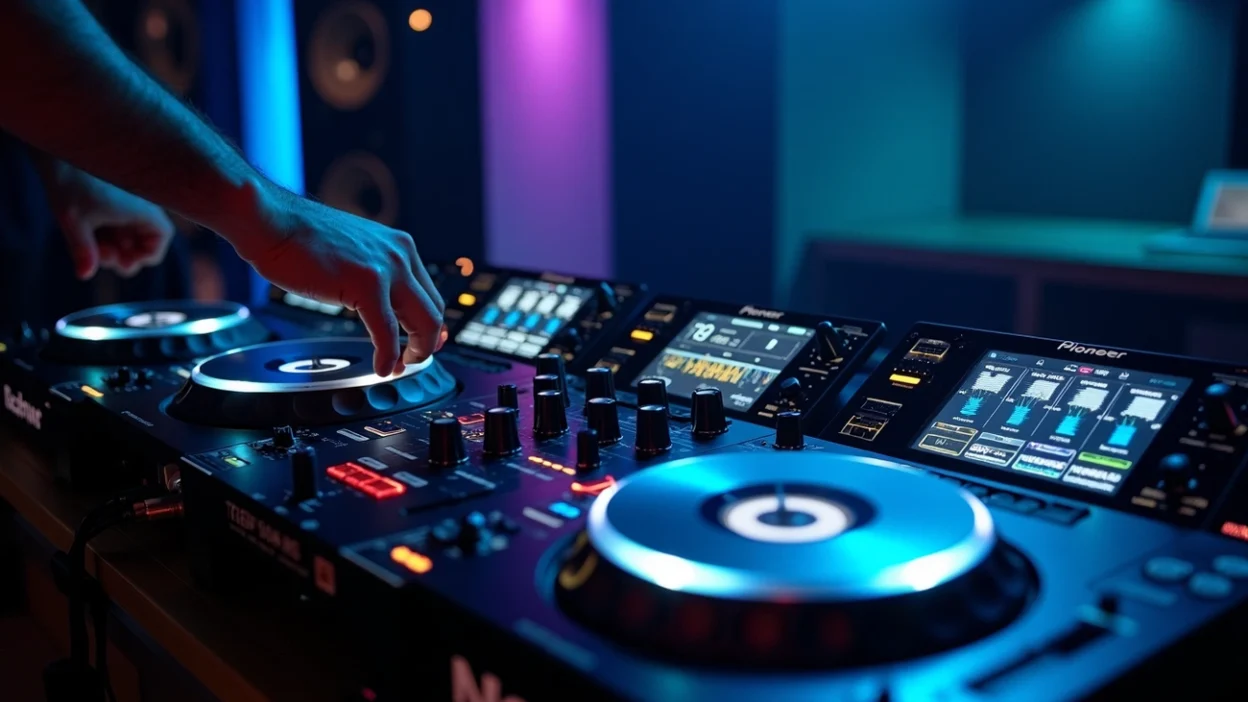
Our tests on the Pioneer CDJ-3000 found that mixing without visual references can substantially improve your DJ skills. This piece guides you through everything from beatmatching at consistent BPMs to harmonic mixing. These skills will help you create compelling, professional-grade techno sets that keep the dance floor moving.
Understanding the Techno DJ Mindset
A techno DJ’s mindset goes beyond just technical skills. The pulsing force of techno in electronic music culture needs more than knowing which buttons to press – you must build a natural connection with the music and audience. Let’s look at what makes this mindset special and why it matters to become skilled at DJing techno.
Why Techno Requires a Different Approach
Techno stands out with its relentless, repetitive beat, driven by a powerful kick drum that creates an infectious and hypnotic rhythm. The genre takes a minimalistic approach, using a few quality sounds and innovative synth patterns. This core feature shapes how techno DJs work with their craft.
Other genre DJs might focus on flashy transitions or vocal hooks, but techno DJs build and maintain energy through long, uninterrupted blends. The minimalist nature of techno lets DJs create longer transitions and layer tracks with more detail. The genre’s versatility spans various subgenres, like acid techno and Detroit techno, and each needs its own mixing techniques.
The unique culture sets techno apart. You won’t find hero worship here – people dance for themselves, not to impress others or make social media content. This makes techno uncommercialized compared to other music scenes. So, successful techno DJs know their role isn’t about showing off but creating an immersive experience for the crowd.
Success as a techno DJ takes more than technical skills. You need self-awareness, confidence, and quick thinking under pressure. Note that your audience expects satisfaction – if you can’t deliver, there will be risks.
Feeling the Music vs. Relying on Visuals
The best way to develop a true techno DJ mindset is learning to mix without visual help. Many pro techno DJs suggest covering equipment screens and matching BPMs by ear. This helps you connect deeper with the music.
A seasoned DJ puts it this way: “If you really want to tighten your foundations and develop your DJ skills to a pro level, once you’re already feeling confident and know your way around the decks, you should try DJing without any visuals.” This means hiding the screens and matching BPMs just by listening.
This practice shows you how tempo works as an emergent property based on how listeners organize musical sequences. Research shows that many factors beyond BPM rate affect our tempo perception, including rhythmic surface event density and the listener’s musical background.
The emotional link to techno matters just as much. DJs often describe deep emotional moments while mixing or dancing to techno. One DJ shared: “If I tear up during a techno song, it means I am truly alive. It happens every once in a while. It’s not sadness, or joy. It is something different”. This emotional connection helps DJs create more authentic and moving sets.
When you learn to feel rather than just execute transitions, mixing techno becomes less about mechanical precision and more about creating an experience. Preparation helps, but you ended up needing to trust your gut and let the music guide you.
Knowing Your Tracks Inside Out
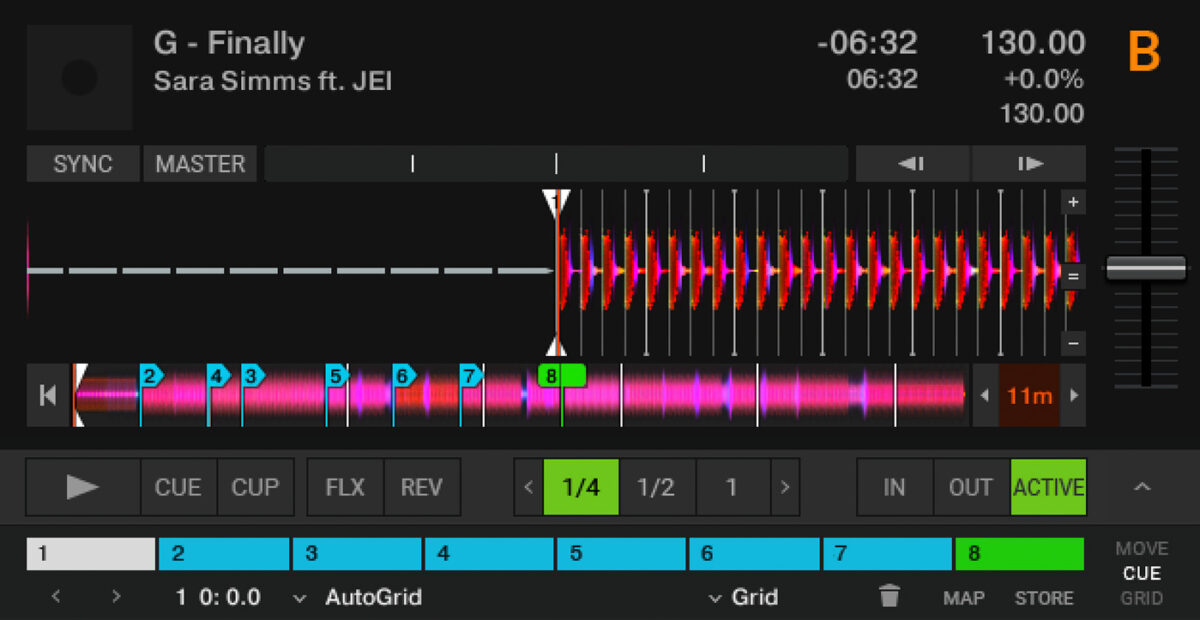
Image Source: Native Instruments Blog
Knowing Your Tracks Inside Out
You need to know your music collection inside out to master techno DJing. This means more than just recognizing tracks – you must understand their structure, know the best transition points, and organize them well. This technical knowledge sets professional DJs apart from casual ones who can create seamless, hypnotic sets.
Track Structure: Intro, Drop, Breakdown, Outro
DJs can use specific structural patterns in techno tracks to create great mixes. Most techno tracks follow one of three common structures: ABCABC, ABAB, or BCB, where each letter represents a distinct section. These patterns help you predict how tracks develop and find the perfect transition points.
The basics of mixing techno start with knowing these key sections:
Intro: Sets up the core rhythm with minimal elements
Main Section/Drop: Brings full energy with all core elements
Breakdown: Strips back elements to build tension and release
Outro: Removes elements step by step, perfect for transitions
Techno’s structure is different from other genres because it focuses on repetition and subtle progression. The genre creates hypnotic states through small changes rather than dramatic shifts. You need to understand these subtle changes to create compelling mixes.
Research shows that 50% of techno tracks use the BCB structure, making it the most common pattern in the genre. The data also shows that 75% of techno tracks start with a drop instead of a breakdown. This affects how you should choose your opening tracks.
Setting Cue Points and Memory Loops
The CDJ-3000’s cueing features can transform your mixing techno approach. You should know these three types of cue points:
Main Cue Point works as your primary marker. DJs usually set it at the first beat of a bar or their preferred mix starting point. This gives you a steady reference point for beatmatching as you adjust tempos.
Memory Cues are saved positions that pause the track when selected. They work great for marking mix-in points throughout a track. These stay saved between sessions, which saves prep time.
Hot Cues (labeled A, B, C) let you jump between points while the track plays. They’re great for live remixing and creative performance.
The Auto-Cue function helps beginners by finding the first beat, but manual cueing gives you more control. Here’s how to set a cue point manually:
Play the track to your desired point
Hit pause right on the beat
Press the cue button to mark it
Use the jog wheel to fine-tune and press cue again
Test by playing, hitting cue to return, then playing again
Beat loop memories give you more creative options by saving loop sections for quick access. This helps you extend intros, build tension, or layer percussion for dynamic mixes.
Organizing Your Library by Energy and Key
The best techno music DJs have a system for managing their library. They group tracks into coherent sets based on energy levels, moods, and musical keys instead of treating them as separate pieces.
Energy levels help you control the dancefloor’s vibe. Most professional DJ software rates tracks on a 1-10 scale. Tracks rated 1-4 work for ambient/chillout zones, level 5 starts the dancing (perfect for deep/minimal techno), 6-7 are groovy, danceable tracks, and 8-10 are peak-time anthems.
Professional DJs avoid jumping more than one energy level between tracks. Armin van Buuren’s festival set managed to keep an average energy level of 7.5, never going up or down more than one level between tracks.
You can also organize tracks by:
Monthly folders to keep your music fresh and follow trends
Genre/subgenre categories (acid, dub, industrial techno)
Mood/vibe groups that go beyond genre boundaries
The best way to organize is to know your music deeply. One experienced DJ puts it well: “It doesn’t matter what your folders are called as long as you know the music in them by heart”. The top house techno DJs listen to their collections outside of gigs—while cooking, commuting, or relaxing—to develop an instinctive feel for their music.
Mixing Techniques for House and Techno DJs
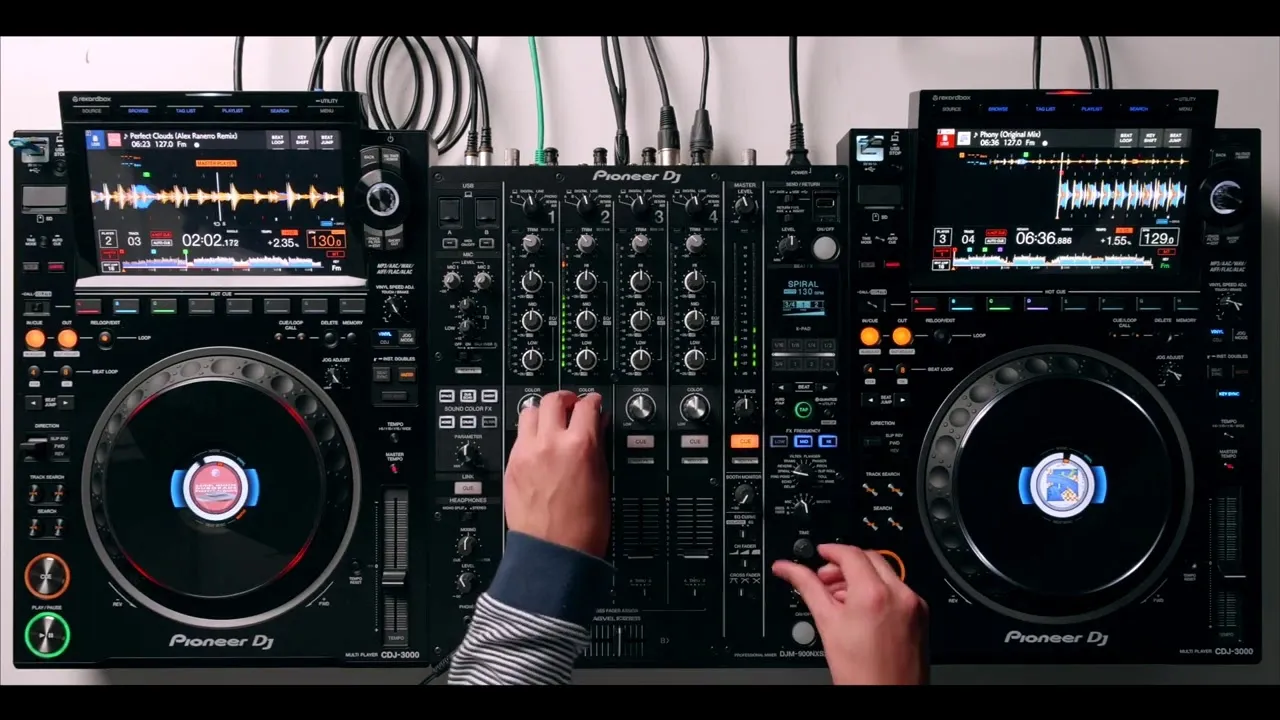
Image Source: YouTube
Mixing Techniques for House and Techno DJs
Superior techno performances need technical excellence. These core mixing techniques will reshape the scene of your sets from amateur to professional level. Your signature hypnotic flow will define superior techno DJing.
Beatmatching by Ear on CDJ-3000
Beatmatching is the art of synchronizing two tracks to play at the same tempo. Techno DJs need to develop this skill without visual aids. This creates an accessible interface with the music that will lift your performance.
The proper way to beatmatch by ear on the CDJ-3000:
Listen to both tracks independently through your headphones
Use the tempo slider to roughly match BPMs (most techno tracks fall between 110-150 BPM)
Line up the first beat with a kick drum as your cue point
Make fine adjustments using the jog wheel, “nudging” forward to speed up or “dragging” backward to slow down
Listen for alignment and focus on the kick drums
Professional techno DJs cover the BPM display with a sticker or turn away from visual cues, despite the CDJ-3000’s advanced features. This old-school approach strengthens your basic skills and prevents over-reliance on technology.
EQ Transitions: Low, Mid, High Frequency Swaps
Techno music DJs create smooth transitions by becoming skilled at EQ manipulation. Most mixer’s three-band EQ divides frequencies into lows (20-200 Hz), mids (200 Hz-5 kHz), and highs (5 kHz-20 kHz). This allows precise control over track blending.
The bass swap technique prevents muddy sound from overlapping basslines. You should cut the low EQ on your incoming track and gradually swap by bringing it up while reducing the low EQ on the outgoing track. This creates a clean, powerful handoff between tracks.
Slow EQ blending creates smooth transitions for extended house techno DJ sets. This technique combines frequency bands over 16 bars or more. The result is a unique third track as elements merge together. The process starts with the mids from your incoming track, then blends in highs, and finally swaps the low frequencies.
Using Phrasing for Seamless Blends
Phrasing is a vital skill to learn how to DJ techno music. A phrase is a musical section of 8 or 16 bars that forms the track’s structure. Natural-sounding transitions come from proper phrase mixing by lining up these sections between tracks.
Techno tracks follow consistent structures with intros, main sections, breakdowns, and outros. Seamless blends need phrase identification in both tracks marked with cue points on your CDJ-3000. Your new track should mix in at a phrase’s beginning while the current track reaches its phrase end.
Phrase mixing turns your transitions from mechanical processes into musical conversations between tracks. Your flow breaks down with improper phrasing, even with perfect beatmatching. Practice helps develop an instinct for natural track blending. Your mix techno sessions become cohesive trips instead of just track collections.
Controlling Energy and Building a Journey
Controlling Energy and Building a Journey
Becoming skilled at energy control makes techno sets memorable. Techno stands apart from other genres because DJs must carefully orchestrate intensity levels to create an immersive experience for dancers. This ability distinguishes experienced DJs who can command a dancefloor from beginners.
Track Selection for Progressive Energy
Successful techno music DJs organize their libraries by energy levels on a 1-10 scale using a 1-10 scale. Professional DJ software platforms include this classification feature. Techno tracks in levels 1-4 create ambient zones, level 5 gets people dancing, levels 6-7 deliver groovy, danceable tracks, and peak-time anthems fill levels 8-10.
The core team follows a vital rule: energy jumps should not exceed one level. Armin Van Buuren’s Ultra Festival set analysis showed he managed to keep a 7.5 average energy level and moved up or down just one step. Martin Garrix shows similar patterns by mixing tracks with +1 or -1 energy levels and maintaining a 7.0 average during his sets.
Mixing Across Subgenres: Acid, Dub, Industrial
Techno’s richness comes from its variety of subgenres. Acid techno captivates the floor with mind-bending sequences, while dub techno pulses with echo-drenched chords. Industrial techno creates a dystopian atmosphere by borrowing from noise music with harsh textures and atonal synths.
DJs need to understand distinct characteristics to blend these subgenres. Dub techno excels at opening or closing sets because of its contemplative nature. Peak-time energy comes from industrial and hard techno, with their distorted kicks and intense grooves that energize ready crowds.
When to Use Fast vs. Slow Transitions
Transition pace significantly affects dancefloor energy. Fast transitions create dynamic energy swells and look impressive but might distract dancers from connecting with the music. Clean blends emerge from slow transitions between key-compatible tracks, making it hard to distinguish where tracks begin and end.
Techno’s extended intros and outros work perfectly with slower transitions that create clean, progressive blends. Fast transitions shine when you need to change energy levels quickly or mix tracks with clashing keys.
DJs who understand dancefloor psychology ended up mastering how to DJ techno. A veteran DJ compared it to a rollercoaster – you can’t descend the entire time, nor add too many loop-de-loops without making people dizzy. Successful DJs create magic through appropriate song selection, smooth mixing techniques, and constant audience awareness.
Live Performance Tips for Techno Sets
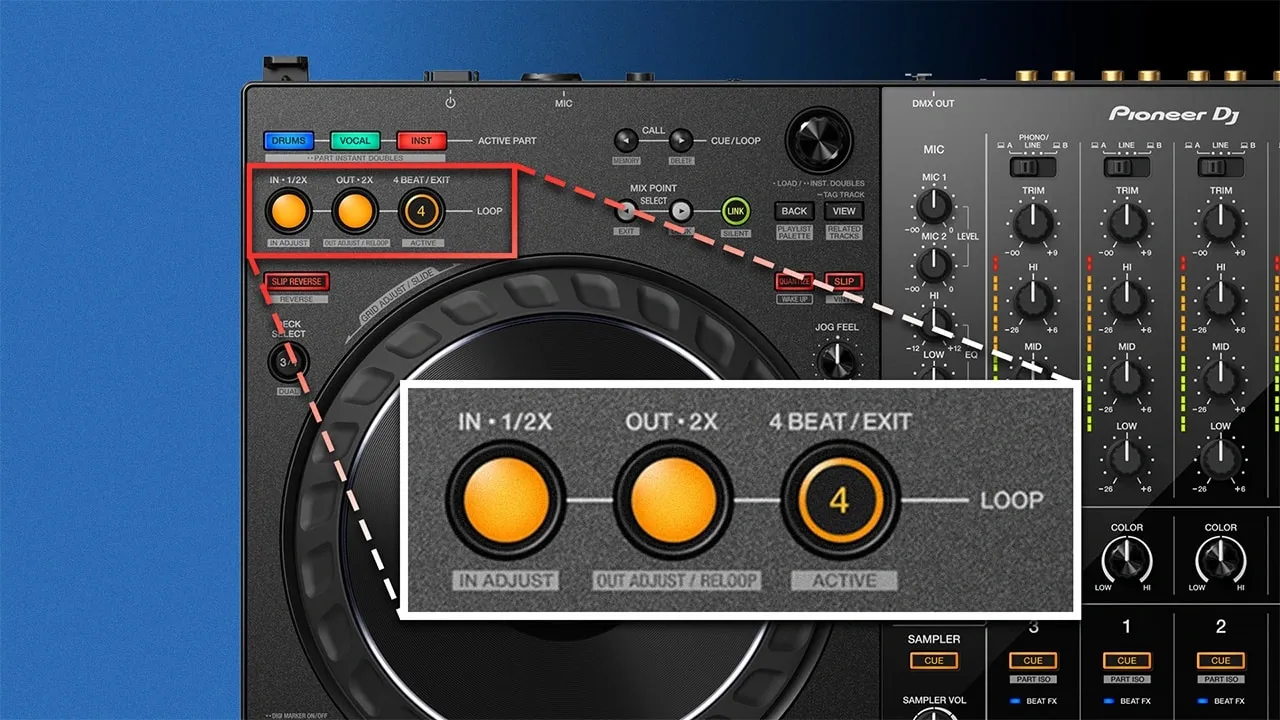
Image Source: Crossfader
Live Performance Tips for Techno Sets
Your techno performances can go beyond simple transitions when you become skilled at live manipulation techniques on the CDJ-3000. These skills help reshape standard mixes into customized experiences that make the audience feel connected.
Using Loops and Hot Cues for Live Remixes
Hot cues serve as permanent markers at key points in your tracks and give instant access to specific sections with dedicated buttons on your equipment. You can mark important transitions, vocal parts, or distinctive elements with them. To make techno remixing work, set cue point #1 as your ‘Load’ marker on every track. Techno DJs create loop cues before drops and add creative buildup with effects before releasing into the main section.
Layering Percussion and FX in Real-Time
Professional techno performances shine with layered percussion that adds organic feel and movement. Adding foley sounds beneath drum patterns works well—filtered ambient noise can create texture. The CDJ-3000 syncs lighting and visual effects with audio and creates immersive performances. The RMX-1000 gives you additional FX control during critical moments.
Practicing Without Visuals to Build Skill
Your fundamental skills like phrasing and advanced beatmatching improve when you cover CDJ screens. This method fosters deeper musical understanding and readies you for equipment failures. As one experienced DJ noted, “mixing without visuals is a really great way to step up your practice”.
Conclusion
Becoming skilled at techno DJing ended up being about finding the sweet spot between technical precision and creative intuition. This piece explores how techno needs a different mindset—one that values feeling the music over just pressing buttons. The hypnotic, minimalist nature of techno just needs DJs who know the power of subtle transitions and can build energy patiently.
New DJs often focus too much on technology and visual cues. But real growth happens when you push yourself to mix without BPM counters or waveforms. This approach helps you connect deeper with your tracks and improves your skills to create those signature smooth blends that make exceptional techno sets stand out.
Track selection matters as much as technical skill. Sets flow naturally when DJs understand energy progression and keep harmonic compatibility in mind. Professional techno DJs create experiences through careful pacing instead of making dramatic jumps—they build tension gradually before strategic releases.
A well-organized library saves your mental energy during performances. You might categorize by energy level, key, or mood. The goal is to know your music so well that track selection becomes automatic when you’re performing.
The techniques covered—from EQ transitions to phrase mixing—need consistent practice. The reward comes when you see that magical moment on the dancefloor where the crowd stops thinking and moves to your carefully crafted soundscape.
Techno DJing is a lifetime learning experience. You’ll find new ways to blend tracks, control energy, and connect with audiences even after years behind the decks. Technology keeps evolving, but creating hypnotic, immersive techno experiences follows timeless principles. Your growth as a techno DJ will without doubt involve building technical skills, but true artistry emerges when technique becomes invisible and music takes center stage.