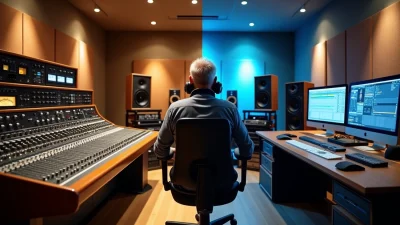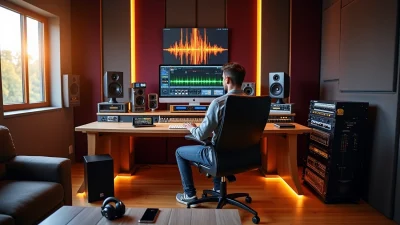
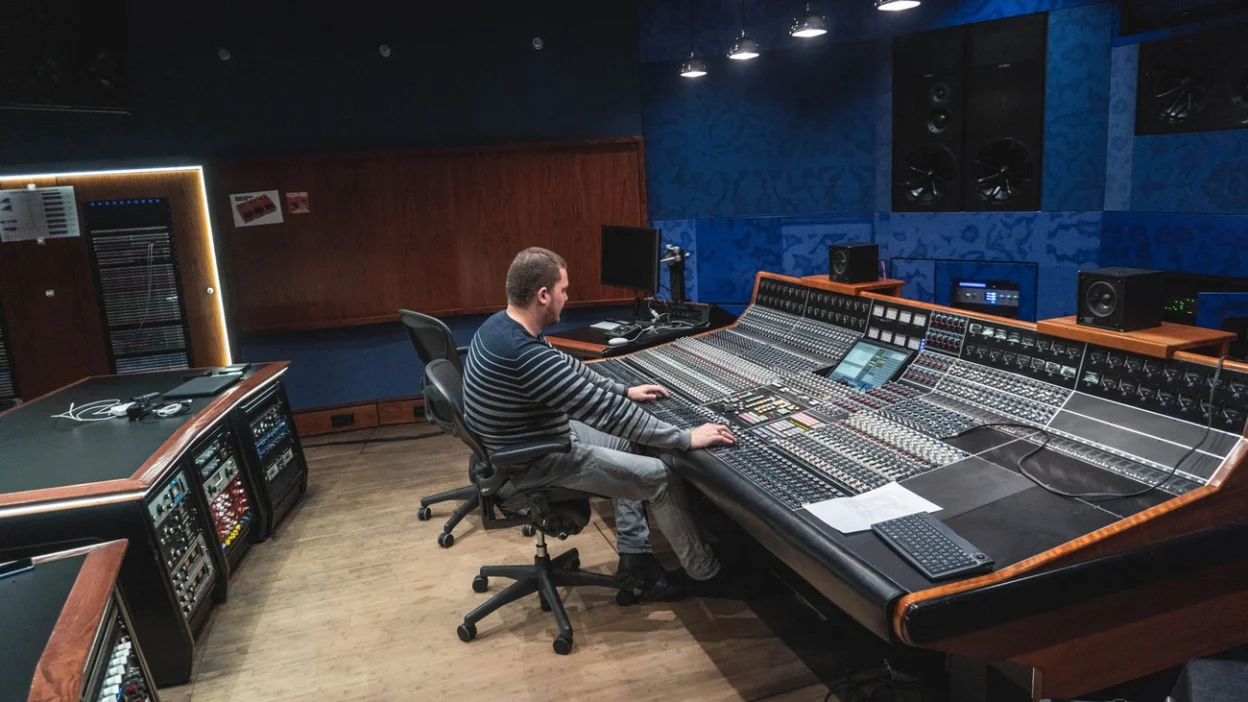
Ever wondered why some tracks sound polished and radio-ready while others fall flat? The secret lies in mixing and mastering—two crucial but often misunderstood stages in music production.
Mixing creates balance between individual elements like vocals, drums, and guitars within your track. It makes all parts work together harmoniously. The process focuses on individual tracks and their elements, while mastering serves as the final quality check before your song reaches listeners. These two processes serve different purposes—mixing balances separate tracks, and mastering brings these elements together into one cohesive body of work. Your music will sound balanced across all playback systems after mastering, whether played through phone speakers, headphones, car audio or studio monitors.
We’ll break down mixing and mastering in music production in this piece. You’ll learn their distinct purposes, tools, and techniques. This knowledge will help lift your music from good to professional-quality.
What is Mixing in Music Production?
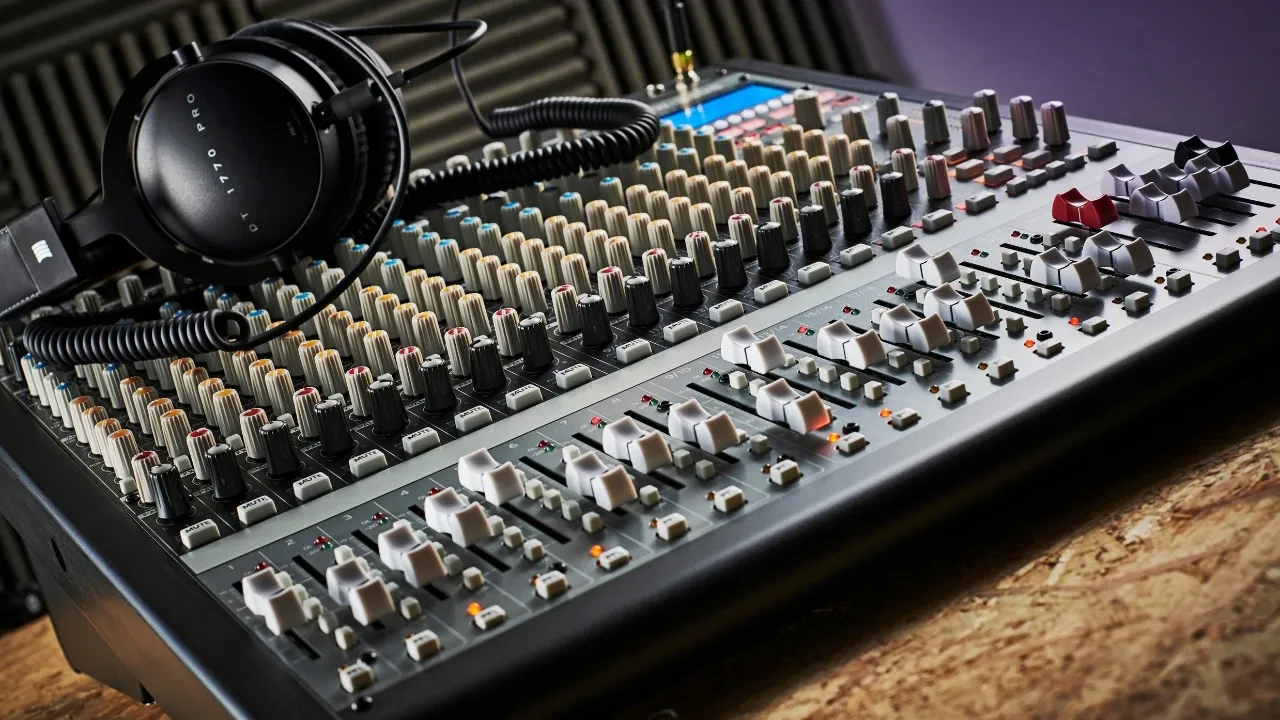
Image Source: MusicRadar
Mixing is both an art and technical bridge that turns raw recordings into a polished final product. Engineers transform separate tracks into a unified sonic experience at this key stage of music production. They do this through careful tweaks and adjustments.
Track-Level Control: Volume, EQ, Compression, and Effects
Volume balancing forms the foundation of a great mix. Engineers start by “zeroing out” all faders. They build the mix step by step, starting with the most important elements. This basic mix sets the right level balance between instruments and vocals. No single element should overpower or get lost in the mix.
EQ is the sonic sculptor’s main tool that goes beyond simple volume control. Engineers can boost or cut specific frequencies to fix problems like muddiness or harshness and improve clarity. Each instrument needs its own space in the frequency range. This prevents elements with similar tonal qualities from competing with each other.
Compression helps control dynamic range by bringing quiet and loud parts closer together. A well-used compressor can:
Keep performances consistent
Add punch to drums and vocals
Boost instrument sustain and body
Create an even overall sound
Engineers add time-based effects like reverb and delay after handling volume, EQ, and dynamics. These effects create a sense of space and depth. They place instruments in a three-dimensional soundstage. Reverb creates room acoustics while delay adds distinct echoes. This adds thickness without pushing elements too far back in the mix.
Stereo Imaging and Panning Techniques
Stereo imaging shows how sound spreads across left and right channels. It creates width and spatial awareness. Mix engineers place each element in this stereo field through careful panning. This crafts an immersive experience that matches how we naturally hear sounds.
The kick drum, snare, bass, and lead vocals usually sit in the center. These elements anchor the mix. Supporting instruments spread across the stereo field to create width. Guitars, keyboards, percussion, and backing vocals get their own space. This prevents frequency masking.
Mid/side processing, the Haas effect, and double-tracking are advanced stereo techniques. These methods can make a mix sound wider and deeper. They work without affecting mono compatibility. Your music will sound good on all playback systems.
Creative Role of the Mixing Engineer
Mix engineers are more than just technicians – they’re creative partners who help bring the artist’s vision to life. They make countless small choices that turn good recordings into captivating experiences.
Good mix engineers understand music’s technical and emotional sides. They can highlight elements to boost emotional impact. They might automate reverb on vocals during big moments or use delay to create movement. These creative decisions shape how listeners connect with the music.
Mix engineers must keep a fresh perspective throughout the process. They balance creative effects with clarity and ensure the final product sounds great everywhere. This needs both technical know-how and artistic sense – a special combination that sets great mix engineers apart.
What is Mastering and Why It Matters?
Mastering is the crucial final step that turns a mixed song into a release-ready product. Mixed tracks handle individual elements, but mastering works with the complete stereo file as one unit. Small but powerful adjustments prepare your music for the world.
Finalizing the Stereo Mix for Distribution
The mastering stage works as your final quality check in recording and starts the preparation for distribution. Mastering engineers look at the stereo mixdown and spot elements that need improvement before release. They use signal processing techniques like equalization, compression, and saturation to get your music ready for commercial release.
Your music should sound great and translate well across all listening environments. Mastering engineers keep your original creative vision while they polish the sound. This deeper emotional connection between listeners and music emerges naturally.
Loudness, Tonal Balance, and Consistency
Professional mastering shows up clearly in perceived loudness, but there’s more to it than just volume. Our ears react to loudness differently at various frequencies. Human hearing becomes most linear across the full frequency spectrum at about 83 dB SPL. Mastering engineers use this knowledge of psychoacoustics to craft each song’s tonal balance perfectly.
Good mastering creates unity throughout an album or EP by:
Making volume levels consistent between tracks
Creating a uniform tonal character across songs
Adding proper spacing between tracks for smooth transitions
Keeping perceived loudness equal despite different arrangements
Listeners won’t touch the volume between songs, which makes the experience better.
Mastering for Different Platforms and Formats
Your music needs to sound great everywhere it plays. Today’s digital world requires masters that shine on streaming platforms of all types, each with its own technical specs. Spotify wants -14 LUFS integrated loudness with a -1.0 dBTP true peak maximum. Apple Music aims for -16 LUFS.
Physical media brings its own challenges. Vinyl needs special attention to stereo width, low frequencies, and sibilance because of the physical limits of records. CDs can handle louder levels but still need precise true peak limiting and proper metadata.
Mastering connects your creative vision to your audience’s experience. Your music arrives exactly as intended, whatever the playback method. Professional releases in 2025 just need proper mastering – it’s not optional anymore.
Mixing vs Mastering: Key Differences Explained
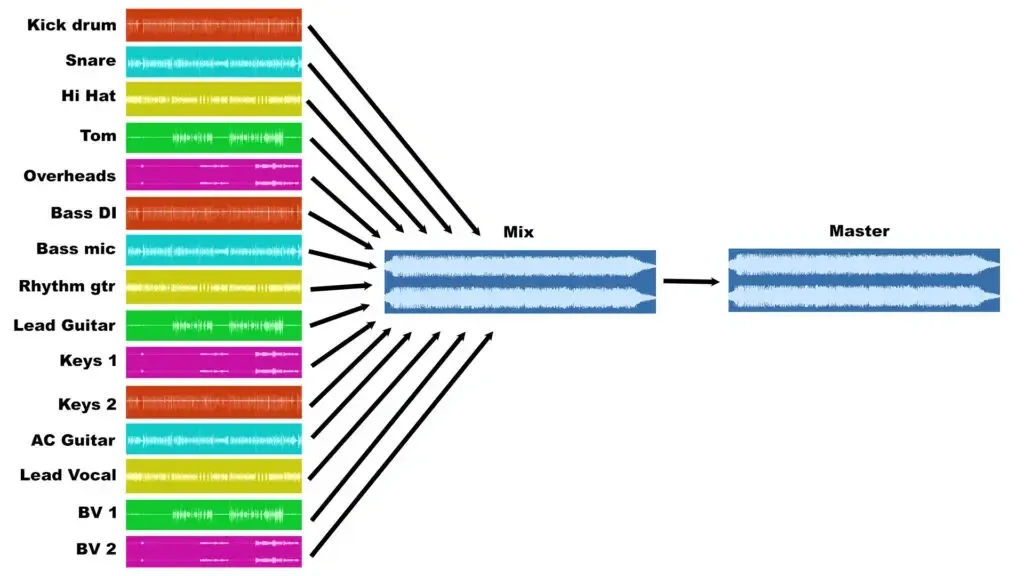
Image Source: My Mix Master
Learning the differences between mixing and mastering helps you understand their unique roles in music production. Many beginners mix up these processes, but they serve different purposes while working together to create professional-quality music.
Scope: Individual Tracks vs Final Stereo File
The biggest difference lies in what each process works with. Mix engineers handle multiple individual tracks—vocals, drums, guitars, synths—that can number in the dozens or hundreds. A mastering engineer works with just one stereo file: the final mixdown. This means mastering can’t fix individual instrument problems that should have been fixed during mixing.
Mixing shapes how separate elements work together and creates internal balance through detailed adjustments that affect emotional impact. The mastering process focuses on the overall sonic character of the entire track to prepare it for commercial release.
Tools Used: Neutron vs Ozone, EQ Range Differences
The software tools show these different purposes clearly. We used Neutron mainly to mix individual tracks, and it offers track-level processing and inter-track communication features. Ozone works best for mastering with modules that improve stereo enhancement and final loudness.
These tools share some features but work differently. To name just one example, see how Neutron’s EQ lets you make broader adjustments (up to +15dB boost and -30dB cut) that work well for mixing’s bold moves. Ozone’s EQ uses a subtler range (+6dB boost and -10dB cut) that fits mastering’s more nuanced approach.
Creative vs Technical Focus
Mixing needs creative decision-making as you shape the song’s emotional flow through hundreds of artistic choices. Mastering takes a more technical approach and follows industry standards while keeping the mix’s character intact.
Time Investment: Days vs Hours
A mixing session takes substantial time—at least 4 hours per song and can stretch to several days for complex projects. Mastering moves along more quickly, usually taking 30-90 minutes per track, depending on mix quality. You might need just 10 minutes to master a well-mixed song, while problematic mixes could take several hours.
Workflow and Tools Used in Each Stage
Professional audio engineers have refined their mixing and mastering techniques through years of practice. Each stage needs its own tools and technical approach to create that polished sound we hear.
Mixing Workflow: Organization, Submixes, and FX Chains
Organization lays the groundwork for successful mixing. Audio engineers create submixes—channels that combine similar audio signals—to handle large sessions efficiently. This technique lets them process multiple tracks at once and control entire sections with a single fader.
Audio engineers route vocal tracks to the same bus rather than adding reverb to each track separately. This creates a cohesive sound and reduces CPU load. The mixing process works like an assembly line. Each effect must follow the right sequence to maintain the best audio quality.
Engineers typically group submixes by instrument type (drums, guitars, vocals) or function (anchoring, propulsive, supportive elements). The order of plugins makes a big difference in your chain. Most engineers put EQ before compression. This prevents unwanted low frequencies from triggering compressors too early.
Mastering Workflow: Critical Listening and Signal Path
Preparation and critical listening are crucial to the mastering workflow. Engineers check the mix for balance, potential clipping, and compare it against professional references before any processing. A good mastering session needs high-resolution audio (at least 24-bit, 48kHz) and precise metering.
The mastering chain follows a specific order. Corrective EQ fixes frequency imbalances first. Compression controls dynamics next, followed by multiband compression for precise frequency control. The process ends with harmonic excitement for warmth, stereo imaging for width, and limiting for commercial loudness.
Essential Plugins: EQ, Compressor, Limiter, Stereo Imager
Some plugins are must-haves for mixing and mastering:
EQ plugins like FabFilter Pro-Q3 work as surgical tools. They make precise frequency adjustments with dynamic capabilities that activate only when problems arise.
Compressors such as FabFilter Pro-C2 or Softube FET Compressor don’t just control volume. They add character and attitude to the sound.
Limiters like FabFilter Pro-L2 boost loudness while keeping distortion minimal. They come with multiple algorithms and advanced features.
Stereo imagers add width without phase issues. Most professionals widen frequencies above 8kHz but keep everything below 150Hz in mono.
Room Acoustics and Monitoring Setup
Great plugins can’t fix poor monitoring conditions. Home studios benefit from the “live end dead end” approach. The front half with monitors needs sound-absorbing materials, while the back keeps some reflective surfaces.
Speakers should point down the room’s long dimension for accurate monitoring. Tweeters must sit at ear-level and form an equilateral triangle with your listening spot. Good acoustic treatment needs thick broadband absorbers—at least 10cm. Place them behind monitors, at first reflection points on side walls, and above your listening position on the ceiling.
How Mixing and Mastering Affect the Listener
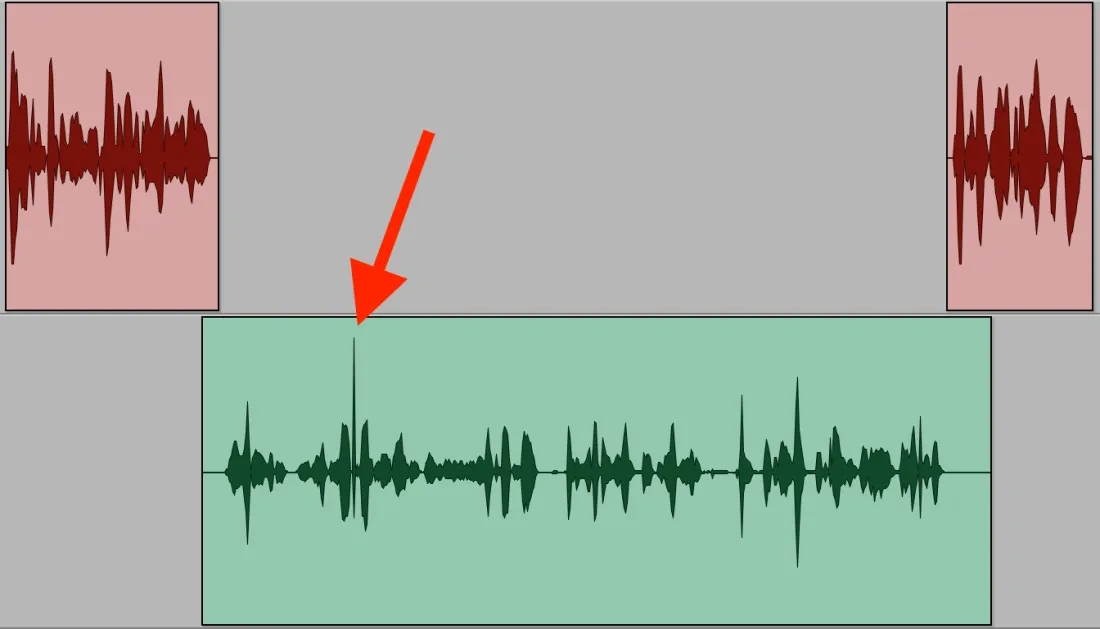
Image Source: NPR
Most people don’t realize how raw recordings transform into the music they love. This process changes how listeners connect with the music emotionally and technically.
Before and After Mixing: Clarity and Balance
Raw tracks often sound muddy and cluttered. They lack the definition that sets professional recordings apart from amateur ones. A good mix creates remarkable changes. Each instrument becomes crystal clear, vocals stand out, and different sounds find their own space. The mix creates perfect balance. Listeners can hear every element while the performance’s emotional heart stays intact.
Before and After Mastering: Loudness and Polish
The mastering process adds that final professional shine after mixing. A well-mastered track doesn’t just sound louder – it has better tonal balance and consistency. People often say mastered tracks sound “finished” or “polished” with better clarity at all frequencies. This step preserves the artistic choices made during mixing and optimizes the sound for release.
Translation Across Devices and Environments
Your music needs to sound great everywhere. Songs might shine in the studio but lose their magic in cars or on earbuds without proper processing. Professional mixing and mastering make sure key elements – vocals, drums, bass – stay clear and powerful. The quality remains consistent whether played through expensive speakers or simple smartphones.
Comparison Table
|
Aspect |
Mixing |
Mastering |
|
Primary Focus |
The complete stereo file and song | |
|
Time Investment |
Songs take 4+ hours to several days |
Each track needs 30-90 minutes |
|
Processing Level |
Major adjustments (EQ up to +15dB boost/-30dB cut) |
Fine-tuning (EQ up to +6dB boost/-10dB cut) |
|
Main Tools |
Neutron, track processors, multiple effect chains |
Ozone, stereo enhancement tools, final limiters |
|
Key Objectives |
Elements need balance, instruments need space, dynamics need control |
Loudness stays consistent, platforms get optimization, albums sound cohesive |
|
Technical Focus |
Creative choices, emotional elements, spatial design |
Industry standards, format specs, commercial loudness targets |
|
Signal Processing |
Track-specific volume, EQ, compression, effects |
Final EQ fixes, compression, limiting, stereo imaging |
|
Creative Freedom |
Lots of artistic choices and flexibility |
Subtle enhancements while keeping mix character |
|
Target Outcome |
A balanced mix where elements work together |
Professional sound that works on all systems |
Conclusion
The difference between mixing and mastering holds the secret to creating professional-quality music. This piece explores how these two processes serve different yet vital purposes in music production. Mixing shapes individual tracks into a cohesive arrangement. Mastering polishes the final stereo file before commercial release.
Raw recordings become radio-ready tracks through precise mixing techniques and thoughtful mastering decisions. Producers who master both skills gain a huge advantage in today’s competitive digital world. Mixing allows broad, creative adjustments across multiple tracks. Mastering focuses on subtle improvements that preserve the mix’s character while optimizing it for various playback systems.
These processes are different in terms of time investment too. Mixing takes days of detailed work to balance elements, create space, and apply effects. A mastering session usually takes 30-90 minutes per track, based on the mix quality. This shows their distinct purposes – mixing builds the sonic architecture, and mastering adds the final polish.
Each stage uses specific tools that highlight their unique roles. Mix engineers use track-level processors like Neutron with wider adjustment ranges. Mastering engineers use specialized tools like Ozone with more precise parameters. These technical choices affect how listeners experience your music. They ensure clarity, balance, and consistent loudness across all playback environments.
Both mixing and mastering turn good recordings into great ones. Whatever you choose – handling these processes yourself or working with specialists – knowing their distinct purposes helps you make better production decisions. The gap between amateur-sounding tracks and professional releases often comes down to respecting what mixing and mastering each bring to the table. Neither can replace the other, but together they tap into your music’s full potential.