Mastering online has reshaped the scene of audio production. Professional-quality sound is more available than ever before. AI and machine learning became part of the mastering equation since 2016 when iZotope released Neutron. Yet something surprising emerges in 2025: top studios still prefer their analog gear.
Audio mastering online services provide clear advantages. Tracks arrive within minutes or hours and professional-sounding results are now within everyone’s reach. These benefits come with certain drawbacks. Quality varies among online mastering tools, and about one-third of existing services claim to use AI with secretive proprietary techniques. Automated mastering services struggle to deliver full album masters that work across all forms of digital distribution.
Something doesn’t add up. Professional mastering is now just a few clicks away, yet the industry’s most respected professionals choose analog methods. Online options might save time and effort, but they seem to miss a crucial element in the digital process. This piece will uncover that missing element and guide you toward the best approach for your next project.
What Is Mastering and Why It Still Matters in 2025
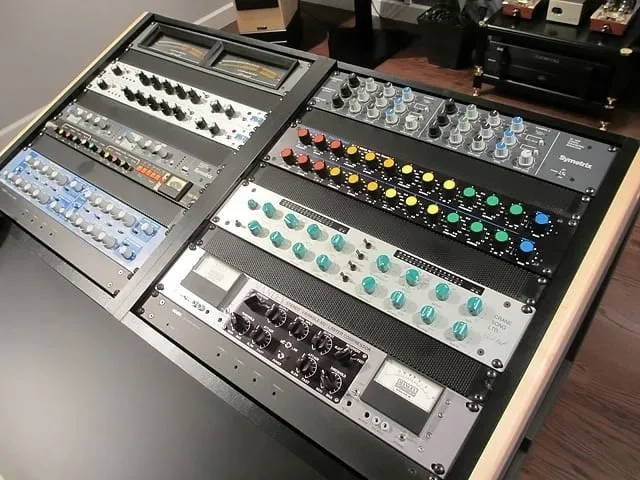
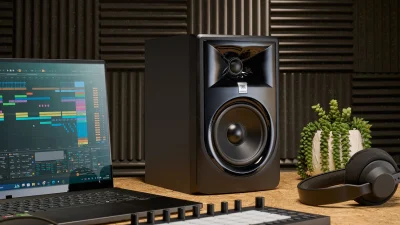
Image Source: Sage Audio
Audio mastering is often the least understood stage of music production. This final step turns a good mix into a polished, ready-to-distribute product through small but vital adjustments. The audio world of 2025 makes it even more important for creators to understand this process if they want professional results.
Mastering vs Mixing: Key Differences
Mixing and mastering are two separate phases in production, each with its own goals and methods. Mix engineers work with many individual tracks. They balance levels, add effects, and shape a song’s overall sound by tweaking each element individually. Their focus stays on how instruments work together, vocal processing, and creative sound design.
Mastering happens after the mix is done and only deals with the stereo mixdown—one audio file with the complete mix. Mastering engineers make broad, subtle changes to the whole mix instead of adjusting individual instruments. These changes boost the overall sound and make sure the track sounds great on any system.
A mix makes up about 80% of how a song sounds, while mastering adds the final 20%. This shows that mastering can’t fix basic problems in a bad mix—it makes good mixes better rather than saving poor ones.
Core Goals of Audio Mastering
Today’s music world still needs mastering for several vital reasons:
Sonic Enhancement: Mastering makes everything sound better through careful EQ, compression, and stereo enhancement. This creates balanced frequencies and controlled dynamics.
Consistency Creation: One main goal is to make all songs on an album play at similar volumes. Listeners won’t need to adjust their volume between tracks.
Format Preparation: Music needs proper preparation for different formats like streaming services, CDs, and vinyl. Each has its own technical needs.
Playback Optimization: Well-mastered tracks sound good everywhere—from studio monitors to phone speakers.
Technical Finalization: The process includes adding metadata, ISRC codes, track markers, and converting files to the right formats for distribution.
Why Mastering Is Still Relevant Today
Professional mastering stays vital in 2025, even with AI mastering tools available online. It strengthens the emotional bond between listeners and music by removing distractions and highlighting a song’s intended effect.
Your music needs to match commercial releases in quality and impact. This matters even more now that streaming platforms use their own volume normalization. Masters must keep their sonic character even after platform processing.
A fresh set of ears from someone who hasn’t spent hours with the track makes a big difference. This outside viewpoint often spots issues that producers miss after working too long on their music.
Online mastering tools have made the process more available, but there’s a huge gap between quick automated fixes and thoughtful professional mastering. Human judgment and artistic sense still beat automated systems—you can hear it in how music connects emotionally and performs across different listening setups.
The technical and artistic sides of mastering help creators make smart choices about finishing their work. This knowledge becomes more valuable as our digital world grows more complex in 2025.
Analog Mastering: Why Top Studios Still Rely on It
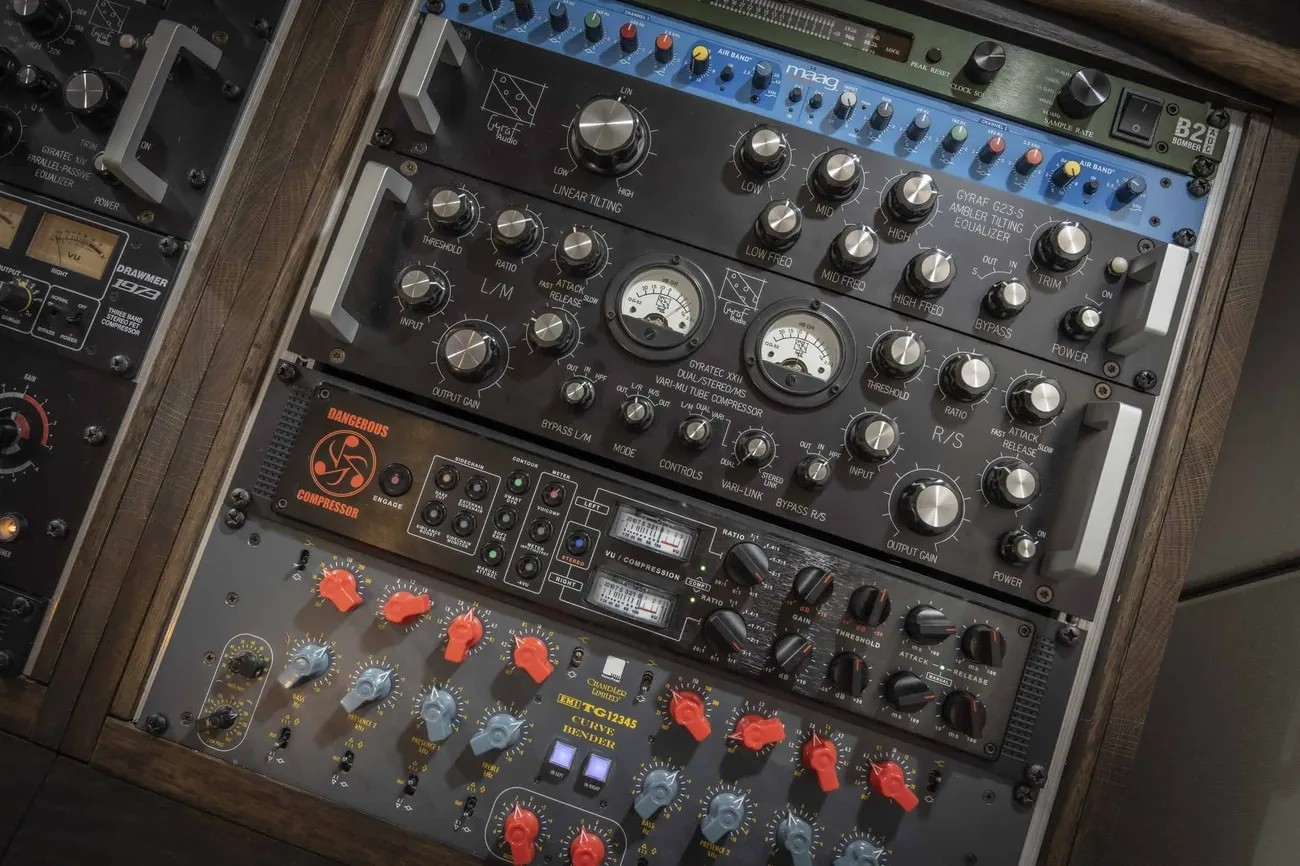
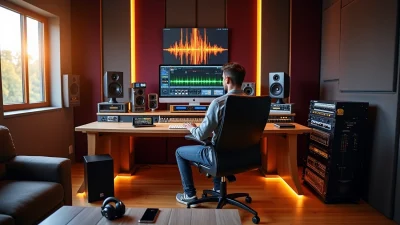
Image Source: Peak-Studios
Algorithms rule the digital world, yet analog mastering equipment remains sacred in professional studios. Engineers keep collecting physical gear despite the speed and convenience that online mastering services promise.
Analog Gear: Compressors, EQs, and Converters
Analog equipment’s charm comes from its unique sonic character. Unlike digital processing, analog gear adds subtle harmonic distortion that makes recordings warmer and less harsh. The natural saturation from analog circuits gives tracks a more unified, rounded sound than digital processing’s clinical nature.
Classic compressors like the Fairchild 670 or Universal Audio 1176 shape dynamics with a musicality that digital tools struggle to match. Their soft-knee compression smooths peaks without losing the music’s natural feel. Analog EQs work the same way – they adjust tone smoothly and add pleasant harmonics when pushed.
Mastering engineers need very high-quality digital-to-analog and analog-to-digital converters before using any analog gear. This step keeps the signal clean throughout the analog chain.
Studio Acoustics and Monitoring Accuracy
Professional mastering studios need perfect acoustic spaces. These rooms differ from lively recording spaces – they need flat, accurate frequency responses. This creates “dead” spaces that work best for critical listening.
Monitoring setup matters just as much in analog mastering. Engineers rely on what they hear to make tiny adjustments. Top studios spend big on room treatment and precision monitors. This helps them make decisions based on true sound, not room quirks.
The Human Touch: Intuition and Experience
Analog mastering creates a different way of working that lets human judgment shine. Engineers love to stop staring at screens and just listen. They process whole songs in real-time instead of looping sections over and over. This helps them see the big picture of the musical experience.
Physical knobs and meters create a natural connection to the sound. This hands-on approach leads to better, more instinctive decisions based on what sounds good rather than what looks good on screen.
The cost of professional analog gear shows serious dedication to the craft. High equipment costs, maintenance needs, and technical knowledge create big barriers. Engineers who run analog studios have usually spent years getting better at their craft.
Some genres benefit more from analog processing. Indie rock, funk, and styles that need well-blended instruments get that natural “gluing” effect. Many listeners find analog recordings warmer and more engaging, which creates stronger emotional ties to the music.
Online mastering gets easier to access every day. Still, top professionals prefer analog gear because it offers something special – a mix of sonic character, physical interaction, and human judgment that shapes how we experience recorded music.
AI and Online Mastering: What They Offer and What They Miss
The digital revolution has brought technology mastery to everyone. Artists can now use powerful AI-driven solutions with just a click. These tools promise studio-quality results without the expensive price tag.
Speed and Affordability of AI Tools
Speed and affordability make online mastering so appealing. Traditional mastering might take weeks to complete. AI mastering gives you results in minutes or seconds. This quick turnaround helps artists meet tight deadlines or hear a polished version right away.
The cost savings are huge. Professional mastering engineers charge $50-$250 per track. Online mastering services cost much less:
LANDR: $9.99 per track
TuneCore: $5 per track
MasteringBOX: Free for simple services (one track per day)
These affordable rates help independent artists with tight budgets get professional-sounding masters. This works great for demos, singles, or digital-only releases.
Limitations in Dynamic Control and Sequencing
All the same, AI mastering uses pre-set algorithms that apply standard techniques. It doesn’t account for each track’s unique personality. This “one-size-fits-all” approach often creates masters that sound sterile or over-processed.
AI tools work best with well-mixed digital genres like EDM, hip-hop, and pop that follow standard loudness levels. They have trouble with dynamic or unusual material. One mastering engineer puts it this way: “I have yet to find a tool that can correctly create the appropriate parallel (NY) compression or mid-side effects”.
AI lacks emotional understanding to make artistic choices based on a song’s mood or intent. It can’t grasp your song’s emotional journey or its unique sonic character.
Lack of Quality Control and Metadata Handling
There’s another reason to be cautious – quality control. AI can’t spot specific problems like resonant frequencies, phase issues, or harsh sibilance in vocals. Without human oversight, these issues stay unfixed or get worse after processing.
Metadata handling is a vital part of proper attribution and royalty collection. AI systems don’t pay much attention to it. Streaming services, PROs, and music libraries need metadata to organize, identify, and track songs correctly. This creates a big problem for artists who want proper credit and payment.
Despite these drawbacks, AI mastering keeps getting better. It’s a great option for projects where budget matters more than perfect sound quality.
Real-World Use Cases: When to Choose Analog vs Online Mastering
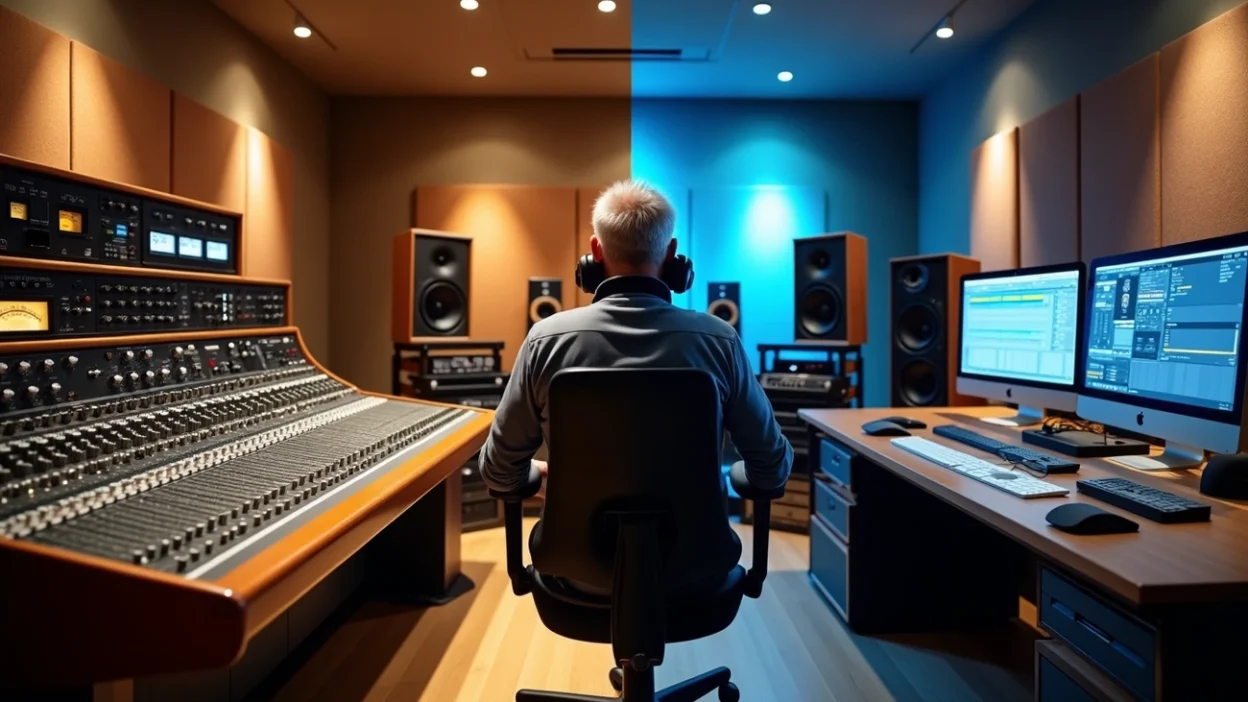
Image Source: Digital Recording School
Your project’s specific needs will determine the choice between analog and online mastering. The right approach saves time and money while delivering optimal results for different release formats.
Mastering Music Online for Streaming Platforms
The digital world has changed dramatically. Streaming platforms now hold an impressive 84% market share of music consumption. Getting your music ready for these services is crucial. Each platform uses loudness normalization to keep playback levels consistent:
Apple Music: -16 LUFS reference level
Spotify: -14 LUFS default (with user-selectable options of -19 and -11 LUFS)
YouTube: -14 LUFS (without boosting quieter tracks)
Amazon Music and Tidal: -14 LUFS
Deezer: -15 LUFS
Online mastering services do a great job optimizing tracks for these platforms. BandLab Mastering claims to “sound great on everything from earbuds to studio monitors”. LANDR is “trusted by top audio engineers and major labels” and produces “pristine, release-ready masters”.
Streaming-focused releases need true peak levels below -1 dBTP to avoid clipping during lossy encoding. Mastering above -14 LUFS means your track gets turned down automatically. This sacrifices dynamic range without any real benefit.
Mix and Mastering Online for Demos and Singles
Demos, singles, and time-sensitive projects benefit most from online mastering. BandLab claims processing “up to 10x faster than the competition”. TuneCore delivers “powerful sonic upgrades in just a few minutes”.
Independent artists see substantial cost savings. Traditional mastering engineers charge between $50-$250 per song. TuneCore offers mastering for just $5 per track. MasteringBOX even gives you “one free master per day”.
Online mastering works best for projects where budget matters more than perfect sound. MasteringBOX admits their service “may not quite achieve the same balanced sound that a talented mastering engineer can achieve”. Yet they deliver “great results that can compare to professional studio work”.
Analog Mastering for Albums, Vinyl, and High-Fidelity Releases
Vinyl records need special mastering techniques that online services can’t provide. Physical limitations of vinyl require careful attention to groove spacing and texture. The mastering process must account for:
High frequencies above 15 kHz that can cause groove modulation problems
Sub-bass frequencies below 20 Hz that create tracking issues
Dynamic range that prevents playback problems
Each side should stay under 18-20 minutes for the best audio fidelity. Vinyl mastering requires knowledge of the RIAA equalization curve and understanding the format’s unique characteristics.
Analog mastering creates cohesive sequencing that AI services struggle to match, even for digital-only albums. Many listeners prefer the “warm, fuller, and deeper sound” of analog processing. This makes it perfect for projects where sound quality matters more than convenience or cost.
Choosing the Right Path: A Guide for Artists and Producers
Balancing multiple factors leads to optimal results when navigating the mastering landscape. Your sound and budget depend heavily on choosing the right approach for your project.
Budget vs Quality: What to Prioritize
Mastering costs show huge variations across the spectrum. Entry-level engineers charge between USD 20-50 per track. Mid-tier professionals ask USD 100-300. High-end studios with Grammy-winning engineers command USD 500-1200+ per track. Price and quality don’t always go hand in hand. A USD 15 AI master could sound better than a rushed USD 300 studio job.
When to Use Mixing and Mastering Online Services
Online mastering works best in specific cases. These services excel for demos, singles, or projects with tight deadlines. Automated platforms deliver great value if you need professional-sounding results on a budget. BandLab and similar services offer free options that help you test the waters. Digital approaches make sense when you need precise pitch correction, surgical EQ, or want to experiment with sound design.
Hybrid Approaches: Best of Both Worlds?
Modern studios now adopt hybrid processes that blend analog warmth with digital precision. Engineers start with digital processing for corrections before sending audio through analog gear to add character. The process begins by capturing audio with quality microphones and preamps. Then it moves to DAWs for editing and arrangement. This setup lets mastering engineers use analog hardware’s musicality with digital tools’ recall ability. The result? Masters that sound emotionally engaging and technically flawless.
Conclusion
The audio mastering landscape of 2025 gives artists more choices than they’ve ever had. Many professionals still prefer analog equipment for its distinctive warmth and depth, especially when working on albums, vinyl releases, and projects where sonic character plays a vital role. AI-powered online mastering services are a great way to get convenience, affordability, and speed for artists who have tight deadlines or limited budgets.
Your project’s specific needs should guide your choice. Demos, singles, and streaming-focused releases work well with online mastering’s accessibility and standardization. Albums, vinyl pressings, and artistic statements that just need nuanced emotional translation find their sweet spot in analog processing with human oversight.
Hybrid approaches that blend the best of both worlds will likely shape the future. This balanced approach lets mastering engineers utilize digital precision for technical fixes while adding analog warmth and character where it matters most.
The strengths and limitations of each approach will help you make better decisions about your music. Mastering continues to be both a technical and artistic pursuit that evolves with technology. Yet it preserves the human touch that connects music to listeners emotionally.