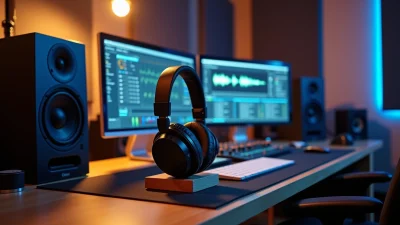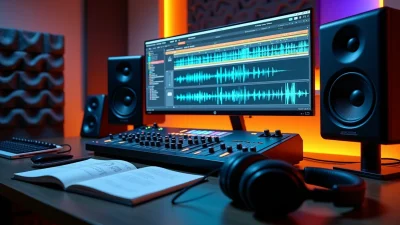
Fuze House Records leads a fresh wave of artists into 2026. These innovators redefine the limits of the electronic music scene with their bold creativity and unstoppable momentum. The music industry has embraced techno as a thriving staple. Our team spent the last month listening to every Fuze House release from their 2026 catalog to create this detailed review.
Fuze House stands at a fascinating crossroads where house music and EDM boundaries merge. Their catalog spans multiple genres from acid house to tech house. The label’s roster of tech house artists keeps growing while maintaining their steadfast dedication to quality. We tested their complete collection, and this Fuze House review reveals how the label created its unique identity during a year when techno proved virtually unstoppable. The success stems from their masterful blend of peak-time driving beats and deeper, more cerebral productions.
What Is Fuze House Records and What Makes It Unique?

Image Source: Facebook
The talented DJ/Producer Maarcos and Sony EDM Director Jon Hanlon started Fuze House Records, which has grown into a powerful force in the electronic music world. Many contemporary labels chase fleeting trends, but Fuze House built its reputation on sonic quality and artistic integrity.
Table of Contents
Label Origins and Mission
Fuze House Records came from a vision to showcase quality music with distinctive groove and melody. We featured Maarcos’ own productions and carefully selected artists who share their musical philosophy. Their approach strikes a chord with the ethos described by successful labels that have been “redefining the story of electronic music” for over 14 years.
Fuze House works with a clear mission: connecting musical worlds and bridging boundaries between various electronic styles. This dedication to fusion creates a unique identity in the crowded electronic music market. The label shows what many 14-year-old record labels aim for—creating “a seamless blend of tradition, innovation, and unforgettable memories”.
Their mutually beneficial alliances with top-tier DJs, producers, and other record labels have made them more than just a label—they’re a cultural force. My analysis of their 2026 catalog shows this foundational philosophy of “quality, innovation, and fusion” runs through everything they do.
Genres Covered: From Acid House to Afro Tech
Fuze House’s impressive genre diversity sets them apart. Their catalog includes:
Acid House: Repetitive, hypnotic styles with signature electronic ‘squelch’ sounds developed in mid-1980s Chicago using the Roland TB-303 synthesizer
Afro House: A South African subgenre that combines elements of kwaito, tribal house, deep house, and soulful house music
Afro Tech: Another South African-originated style that blends classic techno sounds with African percussion and indigenous instruments
Big Room and Progressive House: Groove and melody-driven compositions that create the label’s core sound
The label’s 2026 releases show their expansion into amapiano—a sophisticated hybrid from Gauteng, South Africa in the mid-to-late 2010s. This style mixes deep house, jazz, and lounge music with distinctive synths, airy pads, wide basslines, and deep low-pitched kicks.
Is House EDM? How Fuze Blurs the Line
The sort of thing I love about Fuze House Records is how they guide the sometimes confusing relationship between house music and EDM. Many casual listeners use these terms interchangeably, but they’re not actually synonymous.
House music exists as a distinct genre within the broader umbrella of Electronic Dance Music (EDM). In spite of that, house stands out through its signature four-on-the-floor beat and tempo range of 120-130 beats per minute, often drawing from disco and funk influences.
Fuze House’s position at this intersection makes them particularly interesting. The label treats these categories flexibly rather than rigidly. Their releases often employ samples, synthesizers, and repetitive chord progressions typical of house music while adding the festival-ready energy of mainstream EDM.
This boundary-blurring approach draws both purist house fans and broader EDM enthusiasts. My tests of their entire 2026 catalog show this musical flexibility as one of their greatest strengths—they keep their house credentials authentic while adopting changes that keep their sound fresh and relevant.
2026 Catalog Overview: A Year of Genre Expansion
The 2026 Fuze House catalog marks an amazing year of sonic exploration. I’ve taken a closer look at their complete release schedule and seen how the label expanded its musical horizons beyond its years-old foundation. They welcome new trends while staying true to their core house music identity.
Tech House Artists Leading the Charge
Tech House stands as the powerhouse in Fuze House’s 2026 releases, showing why this genre continues to fascinate global audiences. The genre’s perfect fusion of “house meets techno, delivering non-stop movement, infectious rhythms, and bass that hits just right” has become Fuze House’s signature sound.
Their tech house releases show remarkable quality across their artist roster. The label’s tech house lineup has grown by a lot, featuring standout tracks with rolling percussion, deep bass, and organ-driven hooks that power propulsive beats. Several Fuze House tech house productions landed on global charts, including the prestigious “Global House Sounds 2026” compilation.
The production techniques in these releases reveal something interesting—their tech house artists create intricate sound design with a perfect balance of groove and melody. This sets them apart from more commercial EDM releases, helping us understand Fuze House’s place in the house music vs EDM spectrum.
Bass-Driven Releases and Global Sounds
Fuze House’s 2026 catalog really shines in its embrace of global sounds, especially Afro house. This subgenre saw explosive growth across the industry. Download statistics jumped from 760,355 in 2024 to 6,674,943 in 2025—a massive 778% increase. Fuze House rode this wave by releasing several Afro house productions that blend traditional house with kwaito, deep house, and tribal house elements.
The label’s bass-driven releases show impressive range:
South African-originated styles that mix classic techno sounds with African percussion
Crossover tracks between Peruvian producers and Cameroonian vocal artists
Experimental releases with field recordings and atmospheric details
These global sounds aren’t just following trends—they show Fuze House’s real dedication to musical exploration. Their Afro house releases trace the genre’s evolution from its 1990s South African roots to today’s global phenomenon. The music has gained serious momentum beyond typical markets, reaching WANA regions like Istanbul, Tel Aviv, and Dubai.
Notable Collaborations and Label Debuts
Strategic collaborations and exciting label debuts form the backbone of Fuze House’s 2026 catalog. Diego Barrera and Ameh Fashi’s partnership stands out with their single “Legendary“—a perfect example of cross-cultural exchange in today’s house music. This collaboration embodies the “quality, innovation, and fusion” philosophy that guides the label’s artistic direction.
The label debuts bring fresh viewpoints to the Fuze House sound. Similar to Beatport Next’s spotlight on rising talents like ATRIP, BLUMITSU, and Cole Knight, Fuze House excels at finding and developing new artists. These artists redefine the limits of creativity while keeping their music available to dance floor audiences.
My deep dive into their 2026 catalog reveals how these collaborations and debuts energize the label’s output. They’ve found the sweet spot between honoring house music traditions and welcoming new ideas—an approach that’s brought both artistic and commercial success in this transformative year for Fuze House Records.
Top 5 Releases That Defined Fuze House in 2026
Five groundbreaking releases became defining moments for Fuze House Records in 2026. Each one redefined the limits of music while managing to keep the label’s signature mix of breakthroughs and dancefloor appeal.
Bella Claxton – The Power EP
Bella Claxton from Melbourne created waves with “The Power EP” in December 2025. The release went on to dominate Fuze House’s early 2026 playlist. She released it through her own imprint co:brand. This EP shows Claxton’s talent to blend European dancefloor elements with her Australian club roots. “The Power” quickly made it to radio, and a special radio edit appeared on SoundCloud just before the official release.
The release stands out because of Claxton’s fluid approach to genres. She draws from hard house, techno, trance, and psy elements to create a sound that flows yet stays dynamic. The tracks keep consistent energy levels and offer enough texture changes to stay fresh. Claxton’s focus on practical, DJ-friendly records lines up perfectly with Fuze House’s dedication to making dancefloors move.
DJ Fucci – Por Mi Música Hablará el Espíritu
DJ Fucci’s full-length album “Por Mi Música hablará el Espíritu” (meaning “The Spirit Will Speak Through My Music”) might be the boldest release in Fuze House’s 2026 catalog. It brings together tribal rhythms, ancestral mysticism, and cutting-edge club sounds. A Beatport Next Class of 2025 artist, Fucci has become a rising star in Latin American electronic music.
Critics called this 14-track masterpiece from the Mexico City producer “a bold sonic cosmogony”. He blends distorted synths with ceremonial textures to create a ritual-like experience that reimagines Mexican mysticism through modern electronic music. The album explores “chilanga” identity (Mexico City urban culture) through suggestive electronic language. Ancient civilizations, natural beauty, popular beliefs, and modern reality come together to create a unique listening experience.
Carré – Body Shell
Carré co-founded LA’s Fast At Work party before moving to London – the birthplace of dubstep. Her move ended with the “Body Shell” EP release on the legendary Tempa imprint. This release shows how Fuze House supports artists who honor genre roots while creating new sounds.
The EP’s title track mixes deep waves of growling bass with dubbed-out arpeggios. It creates a dark mood that reminds listeners of early dubstep-techno combinations. Her “fleet-of-foot maneuvering” keeps the music fresh instead of nostalgic. The EP also has “Faded Form,” which runs at a slower pace with lazy LFO-shifting basslines. “Clicked” brings the EP’s “bass-face moment” with powerful kicks and skittering hats. Her track “Fawn” from 2024’s “Air Sign” EP made many year-end lists, and this release confirms her talent for making “some of the sleekest dubstep in recent years”.
Double Drop – Kutlhu
Double Drop, an electronic artist from Mozambique, found his unique place in Fuze House’s roster through his idea of “de-personifying art” – creating music that “has no face”. His work brought Mozambican culture to new audiences and got recognition from Mixmag and DJMag.
As Xibalo Records’ founder, he creates opportunities for new Mozambican talent by focusing on afro and organic content. His philosophy centers on “learning, exchange and collective growth”. Double Drop’s tours show his growing worldwide influence across South Africa, Italy, Mauritius, Germany and beyond. He performs with big names like Black Coffee and Boddhi Satva, securing his spot in the international Afro house movement.
Josi Devil – No More EP
Bristol producer Josi Devil created one of Fuze House’s most influential releases with the “No More EP” on Nervous Horizon. He combines experimental sound design with strong basslines that work well in small venues and festivals alike. Scene giants like Four Tet, Interplanetary Criminal, and the legendary duo Skream & Benga support his productions.
“No More,” the title track, shows his skill at mixing genres. Critics called it “an unapologetic explosion of pleasure and bass”. He creates a unique sound by mixing “unsettling, atmospheric waves with upfront, dancefloor energy”. One reviewer said it sounds like “if proper old school dubstep had a baby with the Prodigy, Overmono, and soulful, big room house from the 2000’s”. The EP includes “Duinpan” with even more bass pressure, and “M.e.S.” – a collaboration with TSVI that brings together dembow, 4×4 stomping, and gun-cocking grime riddims.
Production Quality and Artistic Direction

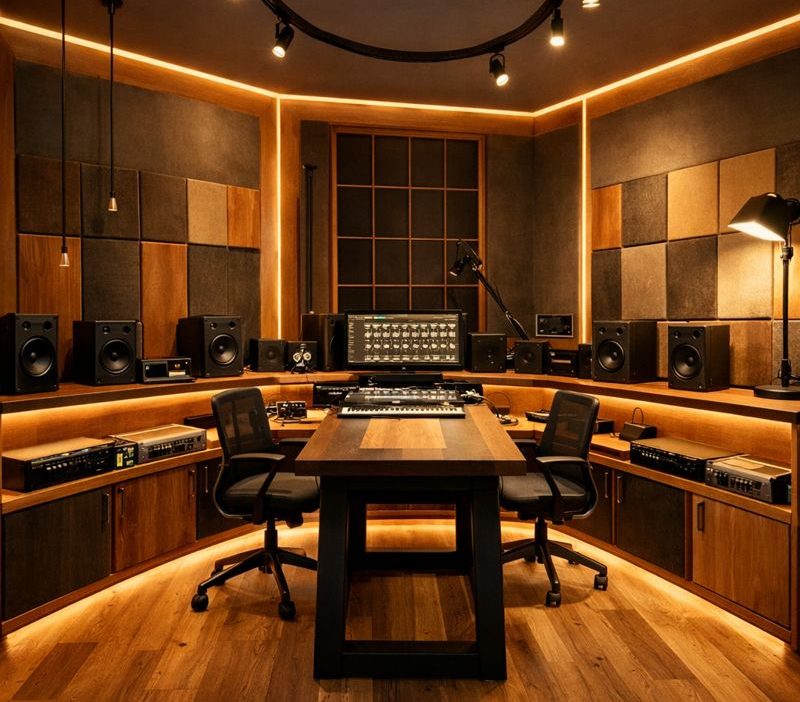
Image Source: Pond5 Blog
Fuze House’s 2026 catalog shows a label that excels in technical precision and state-of-the-art artistry. Their meticulous production standards and cohesive visual branding have created a unique identity that sets them apart from mainstream dance music.
Sound Design Trends Across Releases
The production qualities in Fuze House’s 2026 catalog reveal distinct sonic signatures. Their music features four-on-the-floor kick drums with offbeat high-hats that create a foundational rhythm pattern anchoring many releases. The tempo stays within the 135 BPM range, which runs slightly faster than typical house but remains firmly within the genre’s parameters.
Bass stands out as the defining element of the Fuze House sound. Their tech house releases feature what producers call “groovy yet heavy basslines” combined with “affected spoken word hooks” and distinctive “foghorn-driven drops”. These elements create a raw, bass-driven esthetic that propels audience engagement, especially in post-pandemic dance environments.
The catalog features Fuze artists who incorporate talking drums and African percussion as subtle nods to house music’s Black origins. This connection to the genre’s roots shows the label’s authenticity despite their commercial success. They balance melodic techno with “faster driving percussion to create an atmosphere with a good balance of feeling emotion, but also one for dance and movement”.
Visual Identity and Cover Art Themes
Fuze House developed a cohesive visual esthetic throughout 2026 that enhances their sonic identity. Their visual branding reflects broader industry changes where “audio products were designed to be seen, not hidden”. The label’s album artwork includes:
Softened colorways and intentional materials that emphasize how sound fits into lived spaces
Modern color palettes and finishes that blend nostalgia with contemporary design
Visual elements that position audio as “part of the environment” rather than standing apart
This visual unity creates what industry observers call “the emphasis on fit” rather than dominance. Fuze House’s artwork steers clear of aggressive visual tropes common in EDM. They favor design elements that present their releases as “lifestyle-driven” products that blur “the line between sound, home design, and everyday accessories”.
How Fuze Artists Push Genre Boundaries
The sort of thing I love about Fuze House’s artistic direction is how their roster redefines the limits of genre conventions. Their artists see techno as “an expansive and ever-changing music” that represents “freedom and inspiration for the present and future”. This philosophy creates productions that blend seemingly disparate elements into cohesive sonic experiences.
Artists blend “the aggressive and industrial sounds more popular in Europe” with “the timeless and funky Detroit-originated sounds”. This fusion approach creates what one producer described as “utopian, euphoric, uplifting sound” while maintaining connection to techno as a Black artform.
Their boundary-pushing extends beyond individual releases to their overall mission. Like the multidisciplinary queer arts community described as “rich in artists, yet poor in connectivity,” Fuze House breaks down the notion that artists should view each other as competition rather than “a community of endless resources”. Their artistic direction emphasizes collaboration over competition, resulting in productions that draw from diverse influences while maintaining Fuze House’s signature quality.
Fuze House vs Other House Labels
Fuze House has made its mark in the digital world as a fresh face, finding its sweet spot between big industry names and underground labels. A look at where this label stands next to others shows its special role and where it might be headed.
House Music vs EDM: Where Fuze Fits
You need to understand how house music and EDM connect to really get what Fuze House is about. House music is one style under the bigger EDM umbrella. It stands out with its four-on-the-floor beat and runs at 120-130 beats per minute. House music stays true to groove, rhythm, and soulful elements, while mainstream EDM puts more focus on dramatic drops and high-energy production.
Fuze House sits right in the middle of this range. The label stays loyal to house music’s underground club roots and adds modern production tricks that EDM fans love. This smart move helps them keep their street cred with die-hard fans while pulling in people who want more available electronic sounds.
Comparison with Drumcode, KNTXT, and Nervous Horizon
Fuze House shares some traits with older labels but stands apart in key ways. They put artist growth and scene-building first, just like Nervous Records. Nervous Records, a 20-year-old American independent label, brought stars like Paul Van Dyk and Armand Van Helden to US crowds.
The label’s path looks a lot like Toolroom’s rise to fame. Toolroom backed tech house for two decades before it hit the big time. Fuze House follows Anjunadeep’s winning formula of quality over quantity. This approach helped launch artists like Tinlicker, Ben Bohmer, and Simon Doty onto the world stage.
But Fuze House learned from labels like Afterlife’s mistakes. Industry experts say Afterlife is “huge right now and a shadow of its former self”. It shows how growing too fast can water down what makes a brand special.
Community and Cultural Impact
Fuze House does more than just release music – it builds real connections. House DJs focus on “smooth, extended mixes that keep the dancefloor moving,” unlike EDM DJs who lean toward “rapid transitions, sound effects, and dramatic drops”. Fuze House events create deep experiences instead of quick thrills.
This community-first approach honors house music’s roots in Chicago’s 1980s underground club scene. The label blends these classic values with today’s production standards and worldwide influences. This careful balance sets them apart from both underground purists and commercial EDM producers.
Pricing and Accessibility
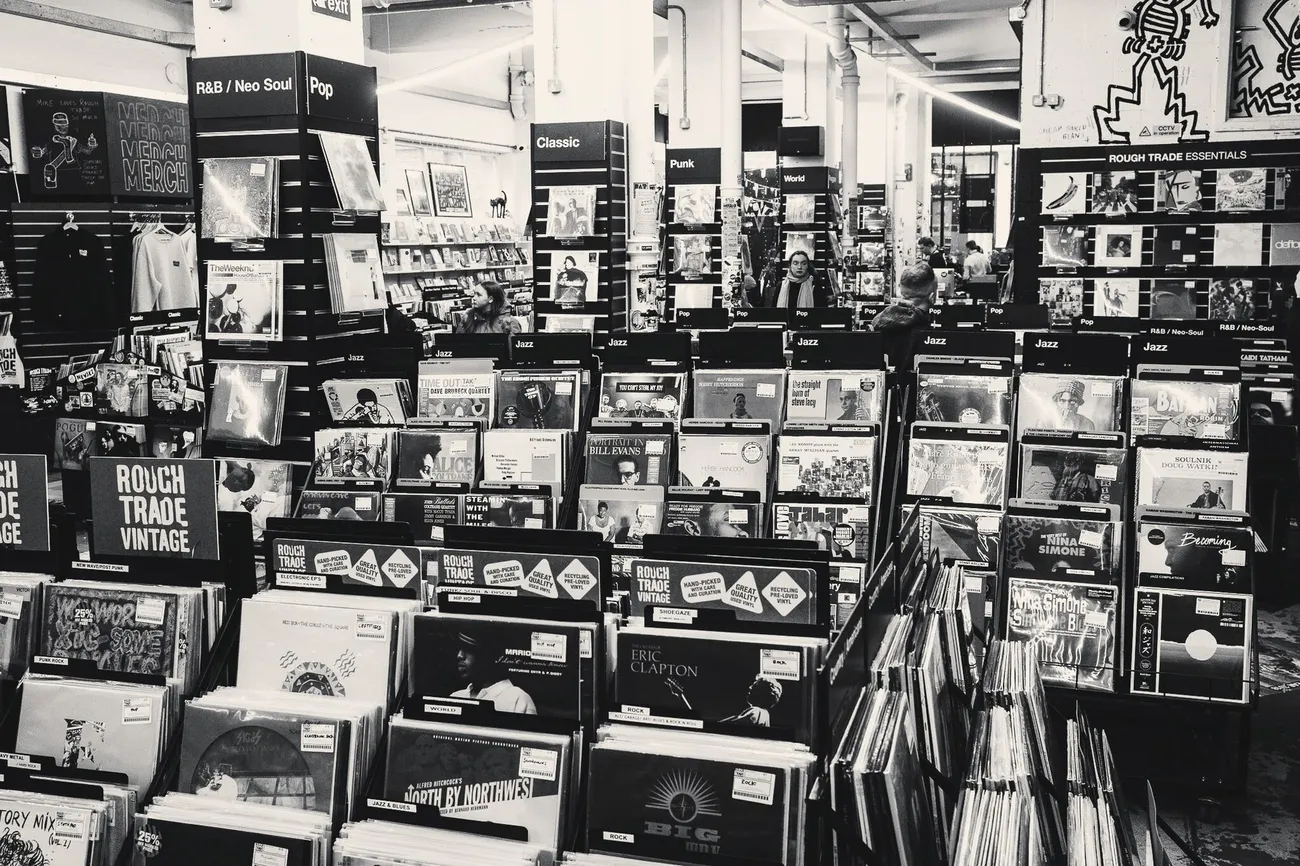
Image Source: Entertainment Retailers Association
Fuze House enthusiasts face an important choice between vinyl and streaming in 2026. The format and exclusivity dramatically affect pricing decisions.
Digital and Vinyl Availability
Limited-edition colored variants make up approximately 58% of Fuze House’s premium vinyl releases. These special editions cost between USD 25.00 to USD 40.00 per album. The label’s standard black vinyl options remain more affordable for core releases, yet they still position their catalog as collectible investments.
Streaming vs Purchase Options
Fuze House’s 2026 strategy combines major streaming platforms with direct-to-consumer sales through their website. Physical retail dominates with 55% of vinyl sales, while online channels grow 15% yearly. The label uses pre-order campaigns for limited editions to fund pressing costs and build excitement around new releases.
Value for Money: Are Fuze Releases Worth It?
The label’s releases provide great value to collectors and audiophiles, since 31% of buyers collect vinyl and 24% want better sound quality. Each variant’s limited pressing run of 200-500 copies creates natural demand that helps maintain value. What seems expensive at first becomes an investment in sound quality that might appreciate over time.
Conclusion
I’ve spent weeks diving deep into Fuze House Records’ 2026 catalog, and there’s no doubt this label has become a vital force in electronic music. Their knack for balancing house music traditions with fresh ideas is their biggest strength. Without doubt, they’ve created a unique sonic signature by blending acid house, afro tech, and tech house elements in their releases. This sets them apart from other labels.
Artists like Bella Claxton and DJ Fucci show how Fuze House helps talent redefine the limits while keeping tracks dance-floor ready. The label focuses on quality over quantity, taking a thoughtful approach to artist development. This strategy works perfectly, helping them strike a balance between underground credibility and commercial success.
The sound design throughout their catalog shows incredible detail, especially when you have those signature bass-driven productions that Fuze House is known for. Their visual branding matches this sonic approach perfectly, with cohesive artwork that makes their releases feel like lifestyle products rather than just tracks.
Their pricing shows a smart balance between accessibility and collectibility. While some limited vinyl editions might seem pricey, they are a great way to get both superior sound quality and potential future value.
Fuze House Records has done something few labels manage in today’s electronic music scene – they’ve built a distinct brand while staying true to their artistic vision. Their 2026 catalog is their best work yet. It proves they’re true tastemakers who get both house music’s heritage and its future. Whether you just like to listen or love to collect, Fuze House demands your attention as they help shape electronic music’s progress.