Curious about how much does it cost to master a song professionally in today’s market? The price range might catch you off guard. Recent data shows mastering rates per song range from $25 to more than $300, depending on who masters your tracks.
Entry-level engineers charge $25-$75 per song, and mid-tier professionals—perfect for most indie projects—typically ask $75-$150. The quest for that radio-ready sound from high-end engineers with Grammy credentials will set you back $150-$300+ per track. Each engineer’s rates reflect their expertise and studio equipment quality.
Our research covers pricing structures from mastering engineers of all levels to help you plan your next release. Your project deserves the right investment, whether you’re wrapping up your first EP or preparing your tenth album. A clear understanding of mastering costs will guide your decision-making process.
Mastering Rates in 2026: What You Can Expect to Pay
Image Source: Tape Op
The mastering world in 2026 shows an interesting mix of price points that have changed yet stayed remarkably steady across service tiers. Song mastering costs can range widely based on who sits at the console. You’ll find everything from budget-friendly options to high-end studio experiences.
How Much Does It Cost to Master a Song? Entry-Level Engineers: $25–$75 per Track
New mastering engineers charge between $25–$75 per track. These pros often work from home studios and build their portfolios while keeping prices low for indie artists. Most newcomers ask for $40–$50 per song, and some offer good deals on multiple tracks. To name just one example, see how one engineer lowers their rate from $50 to $45 when you bring three or more tracks.
These budget-friendly choices work great for demos, first releases, and artists watching their spending. The lower price doesn’t mean lower quality – many new engineers deliver great results, especially with straightforward projects that need standard treatment.
Table of Contents
Mid-Tier Professionals: $75–$150 per song
Mid-level engineers usually charge $75–$150 per track. This sweet spot works perfectly for most independent releases. Their rates deliver professional quality without emptying your wallet. These engineers bring several years of experience and usually focus on specific genres.
This tier gives you more tailored attention and better gear than entry-level options. Independent artists find this price range hits the perfect balance of quality and cost. Full albums here typically cost between $500–$2,000, depending on how many tracks you have and their complexity.
Nashville pros often charge around $100 per song, and that includes vinyl-ready versions. This middle tier houses most working mastering engineers who create commercially viable masters for serious artists.
Top-Tier Studios: $250–$500+ per song
Premium mastering services begin at $250 and can go beyond $500 per track. Engineers at this level come with impressive credentials – often Grammy nominations or wins – plus access to world-class facilities and rare analog gear.
Sterling Sound’s rates fall between $250–$350 per song. Top-tier engineers with extensive credits might charge $200–$300 per track. The most prestigious mastering can hit $500+ per song at famous studios with engineers who’ve shaped chart-topping releases.
Abbey Road Studios offers online mastering starting at $130 per song – more available than visiting their actual studio. Major labels, established artists, and projects demanding sonic excellence usually work with these premium services.
Hourly vs. Per-Track Pricing Models
Mastering engineers use different pricing approaches. Per-track flat rates lead the pack because clients can budget clearly. Singles and shorter projects benefit from this straightforward, no-surprise pricing.
Project and album rates save money on multiple tracks. A five-song EP might cost $800 instead of $1,000 if each song normally costs $200. Artists working on complete albums love this approach.
Some engineers prefer tiered pricing ($90 each for 1-2 tracks, $80 each for 3-5 tracks), while others charge by the hour – anywhere from $25 to $500+ based on their experience. Attended sessions usually go by hourly rates rather than per song, with full albums sometimes reaching $2,000.
Each pricing model serves different needs. Flat rates give certainty, project rates reward bigger jobs, and hourly rates work best for complex projects needing extra attention.
What Affects the Cost to Master a Song?
Several essential factors determine what you’ll pay for mastering your audio. Here’s what you need to know to make smart decisions about your audio budget.
Engineer’s Experience and Credits
The mastering engineer’s expertise and track record will affect your costs. Engineers who have spent years training and built impressive portfolios charge higher rates. They’ve developed specialized listening skills through thousands of hours of practice. Those with Grammy awards or credits on chart-topping releases can charge premium prices—sometimes $300+ per track. These rates reflect both their technical skills and the marketing value their name adds to your project.
Studio Equipment and Analog Gear
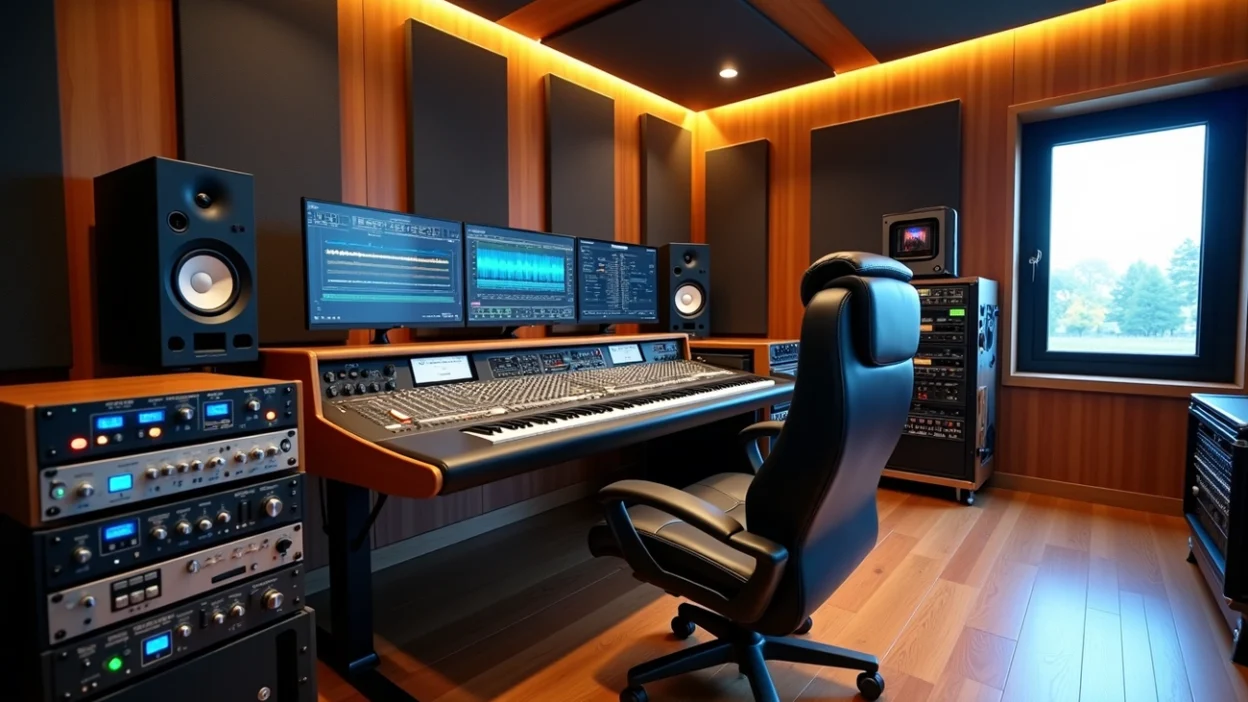
Quality mastering requires purpose-built rooms with expensive monitors and rare outboard gear. Top studios invest hundreds of thousands of dollars in specialized equipment, treated spaces, and precision monitoring systems. These investments shape their pricing structure. “High-end compressors, vintage gear, and serious acoustic treatment don’t come cheap,” explains one mastering engineer. Many artists find the sonic benefits of analog equipment worth the extra cost for that final polish.
Turnaround Time and Rush Fees
Standard mastering takes 5-7 business days. Studios offer rush services at higher rates when you need faster delivery. Rush fees usually add 25-50% to the base cost, though some engineers charge double for same-day or 24-hour turnaround. These fees help engineers adjust their schedules to prioritize urgent projects. One studio states: “Rush Timeline Mastering (2-3 days completion time, guaranteed) available at 50% upcharge over Standard Timeline Mastering prices”.
Track Complexity and Deliverables
Songs with multiple layers need more time and expertise. Length matters too—many engineers add $2 per minute for tracks longer than 5 minutes. Stem mastering, where individual elements get processed separately, costs more than standard stereo mastering. Your final bill also depends on how many different formats you need, like streaming masters, vinyl pre-masters, or radio edits.
Revisions and Client Support
Professional rates typically cover one to two revision rounds. After that, changes cost extra. One studio explains: “Rates include up to 2 revision rounds past version 1. Additional edits are USD 120.00/hr. billed in quarter hour increments”. Pricing can also increase based on the level of client support you need. This includes detailed feedback reports, before/after comparisons, and consultation calls that take additional engineer time beyond the technical work.
What’s Included in Professional Mastering Services
Professional mastering goes way beyond making tracks louder. Your mastering investment pays for a unique blend of technical know-how, trained ears, and quality control. Here’s what you get for your mastering fee.
EQ, Compression, and Limiting
The heart of mastering lies in precise tonal balancing through equalization (EQ), dynamic control via compression, and final loudness optimization with limiting. A skilled engineer uses these tools to improve clarity, punch, and overall sonic coherence. Mix engineers work on individual instruments, but mastering engineers look at the complete stereo mix. Small tweaks at this stage can make your music sound better on any system.
Engineers fix problem frequencies, smooth out harsh sounds, and add warmth where the mix needs it. They also keep the dynamics consistent throughout your track. The result is a polished sound that hits hard without losing its dynamic range.
Loudness Targeting for Streaming
Streaming platforms rule music consumption today, so proper loudness normalization matters more than ever. Good mastering optimizes your music for services like Spotify, Apple Music, and YouTube. Each platform has its own loudness standards. Your engineer balances competitive loudness levels while steering clear of over-compression damage.
LUFS (Loudness Units Full Scale) measurements are now a standard part of mastering. Engineers adjust your tracks to hit platform-specific targets. This means your music stands up to commercial releases without getting turned down by streaming algorithms—vital in today’s listening landscape.
Alternate Versions and File Formats
Most mastering packages give you multiple formats ready for different distribution channels. You’ll typically get high-resolution masters (24-bit WAV files), CD-ready versions (16-bit/44.1kHz), and sometimes MP3s to reference. Many engineers also create alternate masters like radio edits with modified intros/outros or instrumental versions for licensing.
Vinyl releases need special pre-masters with adjusted bass and stereo imaging because vinyl has unique technical demands. Digital distributors require specific file formats and metadata, which many engineers now include in their service.
Before/After Comparisons and Reports
Good mastering services let you hear the difference with before/after comparisons. These reference files show the value of the engineer’s work. Some studios provide detailed reports about their process and tool choices.
This knowledge sharing helps artists understand mastering better and shows exactly what they paid for. Top-tier services might even offer mix feedback to help with future projects, adding mentor value beyond just making your tracks sound amazing.
Is Paying More Always Worth It?
The choice to invest in premium mastering isn’t straightforward. Artists must decide if higher mastering rates deliver genuine value or if they’re just paying for prestige, with costs ranging from $25 to $500+ per track.
When High-End Mastering Makes a Difference
Premium mastering services work best in specific scenarios. Commercial releases headed to streaming platforms, radio play, or physical media benefit by a lot from professional treatment. Professional engineers ensure your tracks have polished and consistent sound that helps your music stand out. Your projects need that extra polish when pitching to labels, managers, or booking agents since first impressions shape industry decisions deeply.
Projects with multiple layers need experienced ears, especially when subtle sonic character matters. Quality mixing and mastering services can boost your music career by making your tracks timeless. Professional engineers bring a fresh perspective to your music without the emotional attachment you’ve developed after countless hours of production.
Common Pitfalls of Overpaying
Several traps can lead artists to overspend despite the benefits. Pricing based on reputation rather than results is a common mistake—engineers who’ve worked on hit records often charge premium rates (sometimes $1000+ per track) based on name recognition alone. Artists can also get caught in “bidding wars” for popular engineers, pushing prices beyond reasonable value.
Studios often include substantial overhead costs in their rates. This means you pay for expensive rent and equipment maintenance rather than better sound. You might also choose high-tier services for projects that don’t need that level of attention, like demos or practice tracks.
How to Assess Value vs. Cost
Your project’s purpose should guide mastering rates. A track headed for Spotify release, YouTube video, or label submission needs different treatment than a simple demo. Match the service to the project—AI mastering or affordable platforms suit singles or demos, while professional mastering works better for official releases.
Sample masters help you compare quality differences before committing. Final masters should be tested across multiple listening environments—headphones, car speakers, Bluetooth devices—to ensure they translate well. Value comes from results divided by cost, not just how cheap the service is.
How to Choose the Right Mastering Engineer for Your Budget
Image Source: Twine
Choosing the right mastering engineer goes beyond comparing prices. You need to balance costs with expertise, communication, and what you get for your money.
Check Genre Experience and Portfolio
Start by looking for engineers who know your specific genre experience in your specific genre. Get into their credits and listen carefully to their previous work. The names you find in liner notes of records you love often point to engineers who match your sound. Each genre needs different mastering approaches – electronic, classical, or hip-hop all have unique requirements. A skilled engineer should handle any well-mixed material expertly.
Ask About Revisions and Turnaround
Make sure to ask about their revision policy. Most studios give you 1-3 rounds of revisions in their standard package. Good engineers usually offer unlimited revisions within 30 days after you get your first master. Singles typically take 2-7 business days, while albums need more time. Rush services exist but they cost 25-50% extra.
Understand What’s Included in the Price
You should know exactly what your money gets you. Ask for details about delivery formats (streaming masters, vinyl pre-masters) and any extra costs for instrumental versions. Watch out for deals that look budget-friendly but charge extra for each revision or format.
Request a Sample or Consultation
The quickest way to evaluate an engineer is to hear how they handle your music. Many engineers offer free test masters of short song segments. These samples show you how your mix responds to their mastering style and help you see if their sonic vision lines up with yours.
Conclusion
Research into current mastering rates shows one clear fact: quality mastering remains a worthwhile investment for serious musicians. The prices vary based on your needs, ranging from $25 to $500+. These price differences reflect more than just service tiers – they represent fundamentally different approaches to finalizing your music.
Your project’s goals will determine the right balance between budget and quality. Entry-level services might work well enough for demos and practice recordings. Commercial releases need mid to high-tier attention. Most independent artists hit their sweet spot with mid-tier professionals ($75-$150 per track). These engineers provide professional results without the premium pricing that Grammy-winning engineers command.
You should request sample masters and test them on multiple playback systems before choosing any mastering service. This hands-on approach helps you determine if the extra cost actually gives you better sound for your tracks. On top of that, it pays to think about building relationships – working with the same engineer often leads to better results as they learn your priorities and sonic vision.
Mastering gives you the last chance to raise your music’s quality before release. The temptation to cut corners here runs high, especially after investing heavily in recording and mixing. Yet professional mastering often makes the difference between tracks that sound homemade versus commercial quality. The right engineer brings fresh views, technical expertise, and specialized equipment that turns good mixes into great masters.
Critical listening to engineers’ portfolios pays off, whatever your budget. Read client testimonials, understand your deliverables, and get clarity on revision policies upfront. This all-encompassing approach will give you a full picture of your mastering investment’s value while avoiding unnecessary costs that don’t improve your final product.