AI-powered online mastering has changed the way musicians complete their tracks. These services claim they can master tracks up to 10x faster than traditional methods. They promise to deliver studio-quality results within minutes rather than days.
You might wonder if these AI mastering platforms can actually match professional standards. After extensive testing, I found that there was something remarkable about their capabilities. These tools have found their way into the production toolkit, with Grammy Award winners and more than 5 million musicians worldwide putting their trust in them. The track record looks impressive – some platforms report 99% customer satisfaction and make professional mastering available for both individual tracks and complete albums. Professional-sounding tracks are now available to everyone, unlike the past when mastering required expensive studio time.
Let’s examine these claims together. I’ll walk you through my experience – what worked well and what fell short. We’ll see if these quick two-minute masters can truly stand up against traditional studio processes.
The Promise of 2-Minute Studio Quality Masters
Music mastering is a meticulous art form. It gives you the last chance to perfect your music before release. Studio time with specialized engineers used to be expensive and required both technical expertise and trained ears. These days, online mastering can deliver similar results within minutes instead of weeks.
What Professional Mastering Actually Does
Professional mastering goes way beyond making tracks louder. The process balances sonic elements of a track to make it sound polished on all playback systems. Engineers adjust levels, equalization, compression, stereo width, and add final touches that boost clarity and impact.
A professional mastering engineer takes between one and four hours per song. The process involves several key stages:
Analysis and Diagnosis – The engineer figures out what the song needs based on client goals
Processing Application – Subtle EQ, compression, and other tools boost the overall mix
Quality Control – The engineer catches unwanted noises and checks how the track sounds on different systems
Format Preparation – The track gets finalized for various distribution platforms
Mastering engineers work differently from mixing engineers. They focus on the complete stereo mixdown and make broader adjustments that keep the mix’s character intact. They also make sure all songs on an album sound consistent and create a smooth listening experience.
How AI Has Transformed the Mastering Process
AI-powered mastering has revolutionized the industry over the last several years. These automated services look at your track’s sonic profile and create a custom processing chain in seconds. The system scans key features like dynamics, frequency balance, and stereo width to build processing that fits your sound.
Most platforms use machine learning algorithms that learned from thousands of professionally mastered songs. The technology recognizes musical styles and applies genre-specific processing similar to what human engineers do. AI mastering has come a long way – results now sound close to what professional engineers produce.
The benefits are clear. AI tools can master an entire album in seconds while human engineers need days. The cost difference is huge too. Subscription plans offer unlimited masters for as little as $9.99 per month, while human engineers charge $50-500 per track.
Setting Realistic Expectations
AI mastering has limits despite its advances. No automated system matches an experienced engineer’s understanding of your music’s emotional journey.
Online mastering works best when you:
Have a well-mixed track (mastering can’t fix basic mixing problems)
Need quick results for demos or testing
Work with simple genres like EDM, trap, pop, or rap
Have budget constraints
Human mastering still shines with complex arrangements and full albums that need a consistent sound. Projects that need a unique artistic touch benefit from professional engineers. They provide feedback and make creative choices that match your vision – something algorithms can’t do.
The gap between AI and human mastering gets smaller as technology improves. All the same, knowing what these tools can and can’t do helps you pick the right approach for your needs.
Step-by-Step: Using Online Mastering Services
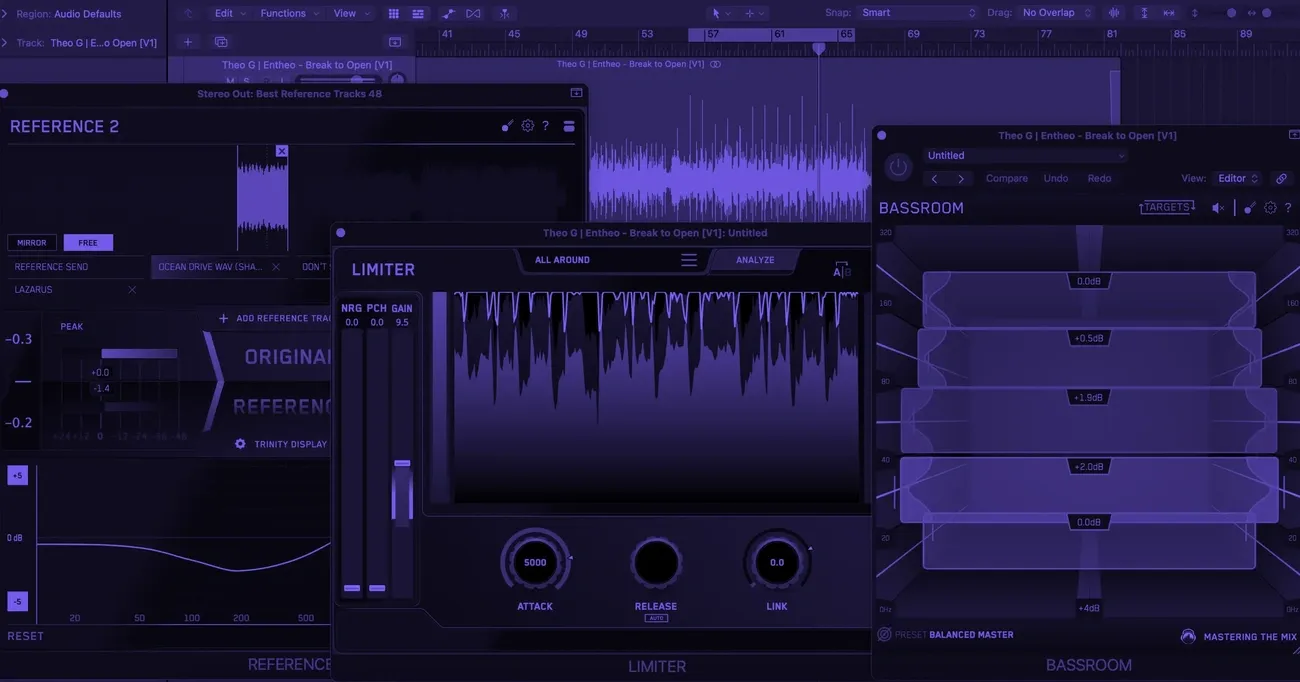
Image Source: Musiversal
Online mastering becomes easy when you know the right steps. I tested many services and found that proper preparation makes the difference between mediocre results and professional-quality masters.
Preparing Your Mix for Best Results
The golden rule of online mastering stays simple – “garbage in, garbage out”. AI mastering can’t fix basic mix problems. Your mix needs these elements to get the best results:
Adequate headroom (2-3 dB below 0 dBFS)
No limiters or mastering plugins on the master bus
Clean track endings with necessary fades applied
All clicks, pops, and unwanted noise removed
File format affects quality by a lot. Most services accept different formats, but lossless WAV or AIFF files give better results. Keep your original session quality – if you recorded at 24-bit/48kHz, export at those same settings.
Uploading and Initial Processing
The upload process works through an accessible interface on most platforms. The AI starts dissecting your track’s dynamics, frequency balance, and genre characteristics right after upload.
Each service processes at different speeds—some claim to be 10x faster than competitors. LANDR, eMastered, and other prominent platforms give you original results in under two minutes. You can preview your track’s sound before buying on most services.
Customization Options That Matter
Online mastering platforms start with preset styles that vary in intensity and loudness. The loudest option might seem appealing, but genre-based selection creates more musical results.
Modern services offer advanced controls:
Intensity sliders that adjust processing strength
Reference track uploading to match your favorite songs’ sound
Genre-specific presets for different musical styles
Album mastering to keep sound consistent across tracks
These features let you control the process without needing technical knowledge. Your original mix quality still determines your final result.
Downloading and Using Your Mastered Tracks
After customization, your mastered track becomes available in various formats. Services typically provide MP3 for quick checks and WAV for final distribution. Some platforms include masters optimized for Spotify or Apple Music streaming.
You can pay per track (around $9.99 each) or choose subscription plans with unlimited masters at different quality levels. Higher-tier subscriptions tend to offer better results and more format options.
Common Mistakes to Avoid
My testing revealed several mistakes that hurt mastering results. The biggest problem comes from overprocessing your mix with too much compression or EQ before mastering. This restricts the AI’s capabilities and often creates an unnatural, tiring sound.
Other mistakes include pushing loudness too far at the cost of dynamics and not testing masters on different systems. Note that good masters should sound great everywhere—not just on studio monitors.
Online mastering works best as a useful tool rather than a cure-all solution. These services provide great value for quick demos and budget projects, though complex arrangements might need a human engineer’s expertise.
Sound Quality Assessment: The Blind Test Results
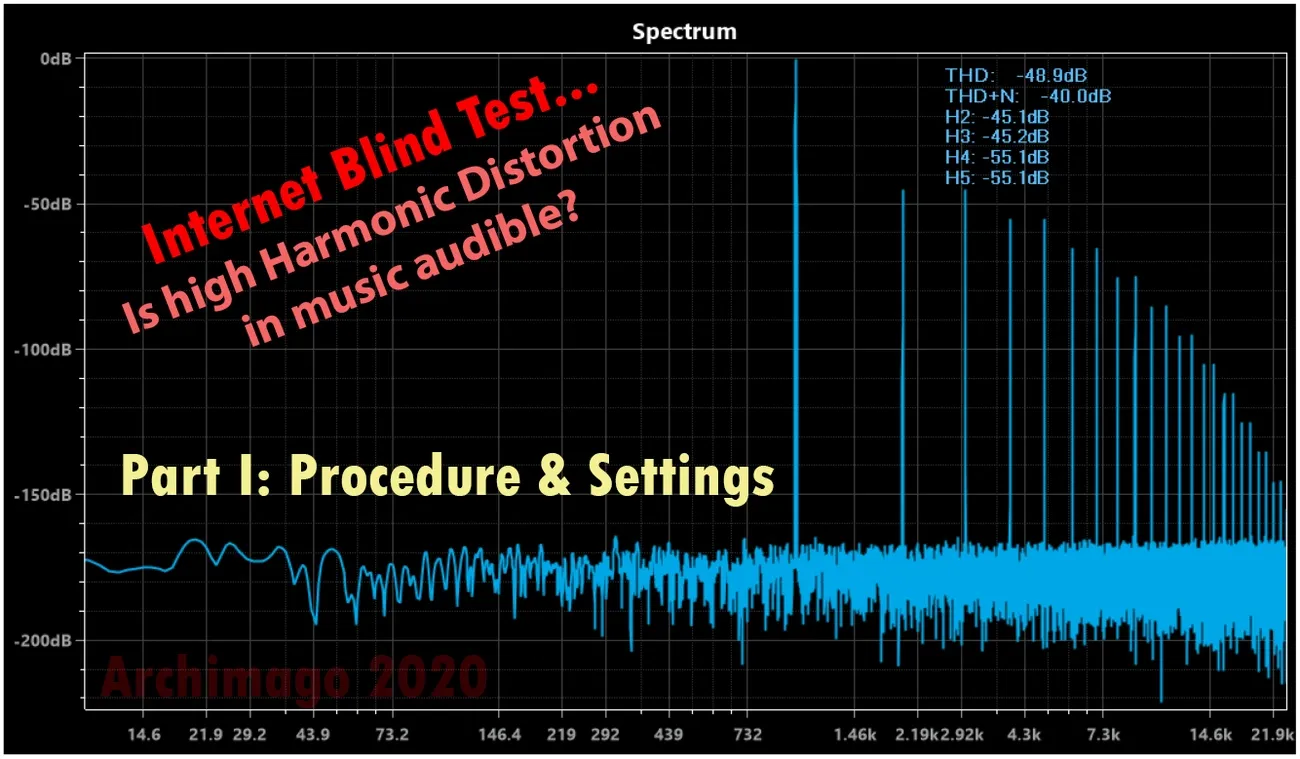
Image Source: Archimago’s Musings
People make lots of claims about online mastering quality. We didn’t have much hard evidence until a detailed blind listening test by musician Benn Jordan gave us a clear picture of how AI mastering stacks up against human engineers.
The test was thorough. 472 participants reviewed masters of the same track created by both AI services and professional engineers. The results left no doubt – human mastering engineers came out on top. Max Hosinger took first place with a score of about 6.4/10, and Ed the Soundman followed close behind at 6.1/10.
The AI options didn’t do too badly. A hybrid Ozone+Neutron chain and open-source Matchering 2.0 tied for third place, scoring around 5.8-5.9/10. Other AI services struggled more: Compound Audio’s Stereo Mastering scored 4.8/10, Kits.ai got 4.9/10, and Ozone 11’s standalone Master Assistant landed at 3.8/10. Several popular online mastering services didn’t even make it to testing. LANDR, BandLab, Waves, Virtu, and Mixea were disqualified because of serious clipping or distortion issues.
The test showed something important – louder doesn’t mean better. The best human masters weren’t the loudest ones. Max Hosinger’s master hit around -10.2 LUFS with a dynamic range (DR) of 10. Matchering pushed loudness to -8.9 LUFS and squeezed the DR down to 7. Listeners preferred the more dynamic, less compressed human masters consistently.
Human engineers stood out in specific ways. Listeners said their masters expressed better sonic balance and musicality. They noticed the nuanced presentation, coherent reverb tails, punchy drums, and detailed hi-hats that AI often missed. Experienced engineers knew not just what to process but how much and why – and that made a real difference in the listening experience.
Other blind tests showed similar results. Sound on Sound magazine found that after matching volumes, mastering differences became subtle. Yet human engineers still produced more consistent results across different monitoring setups. Music Radar’s test of online mastering services rated LANDR highest among AI services (8.5/10), mostly because of its user-friendly design and sound quality.
We have a long way to go, but we can build on this progress in online music mastering. These tests show that AI mastering works well enough for some uses. But when quality matters most, human engineers remain unmatched at making those subtle decisions that raise a track from good to exceptional.
Best Use Cases for Online Music Mastering
I’ve spent time learning about online mastering platforms and found four situations where they really shine. Yes, it is true that not every project needs a professional engineer – AI mastering can be the right choice for speed and cost.
Demos and Pre-Release Testing
Online mastering tools work great for shopping around demos or getting quick versions to evaluate. Artists can test different mix versions and compare them right away without paying expensive engineer fees. Most platforms let you preview your tracks for free before buying, so you can spot if a track needs more mixing work. This quick feedback helps save time and studio costs by creating a “rough master” you can test on different systems.
Budget-Conscious Independent Releases
Independent artists with tight budgets will find great value in online mastering. Human engineers charge between $50-$500 per track, while AI mastering costs just $5-$10 per song. You can get unlimited masters through subscription plans starting at $9.99 monthly. Human engineers deliver better results for complex projects, but AI mastering is enough for budget releases, especially with straightforward genres.
Quick Turnaround Projects
Speed gives online mastering a clear edge. Traditional engineers might take days or even a week to finish a project, but AI platforms deliver results in seconds or minutes. Some services can process tracks 10x faster than their competitors. This quick delivery is a great way to get time-sensitive releases done, handle last-minute submissions, or prepare DJ sets with freshly mastered tracks.
Learning Tool for Aspiring Producers
Online mastering serves as a powerful learning resource. Many platforms show how they adjusted values during processing, which lets producers understand mastering concepts by seeing the changes. You can adjust these settings yourself and learn about EQ, compression, and dynamics processing hands-on. This practical experience helps build critical listening skills without spending hundreds on expensive mastering courses.
Limitations and When to Choose Professional Engineers
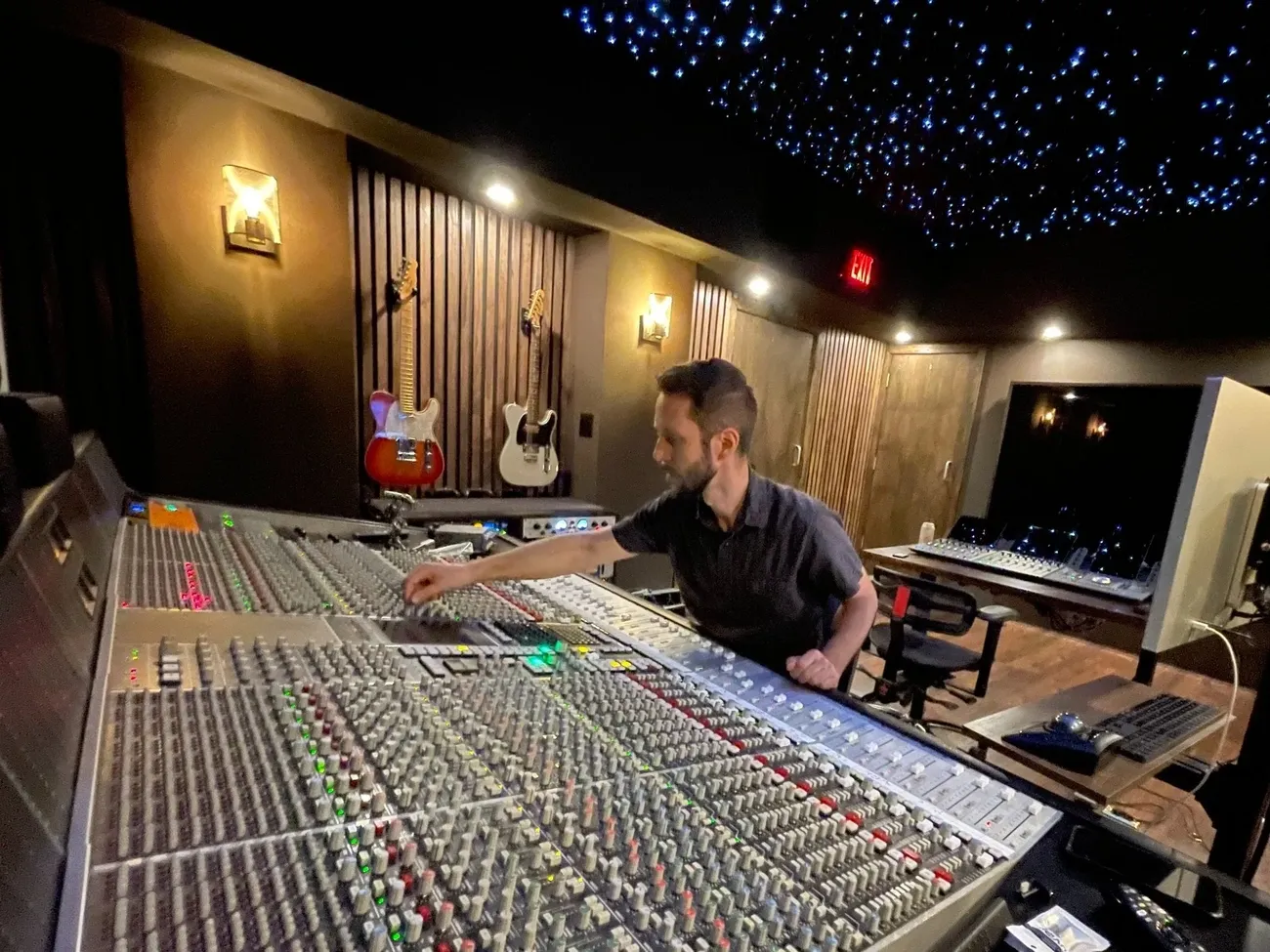
Image Source: Clear Track Studios
Online mastering is convenient, but professional engineers remain irrelevant in key situations. You need to know these limitations to decide when human expertise is worth the investment.
Complex Musical Arrangements
AI doesn’t deal very well with intricate music arrangements. Complex compositions have subtle elements that automated systems can’t balance or improve properly. Human engineers spot nuanced problems in sophisticated productions and know how to fix them with specialized techniques.
Genre-Specific Challenges
Online mastering works best with electronic, hip-hop, and pop genres. Jazz, classical, and experimental music just need careful, custom approaches that AI can’t provide. Each genre has unique processing requirements that match its sonic characteristics.
Album Cohesion Requirements
AI can’t understand how an album should flow emotionally. Professional engineers make tracks flow naturally into each other. They keep the sound consistent but let each song keep its character. This creates a unified listening experience that automated tools can’t copy.
When Artistic Vision Requires Human Touch
Professional mastering goes beyond technical adjustments—it’s an art form that needs emotional intelligence. Human engineers understand your artistic intent and make creative enhancements that magnify your music’s emotional effect. You can give feedback and refine the work until it lines up with your creative vision.
The Future of Human-AI Collaboration in Mastering
The mastering world is moving toward mixed approaches. Many professionals use AI tools for original processing and apply their judgment for final creative decisions. Engineers can focus on artistic elements while AI handles routine tasks. This ended up serving your music’s unique needs better than either method alone.
Conclusion
Online mastering has definitely earned its place in today’s music production toolkit. I’ve tested many platforms and analyzed blind test results. These services offer great value in specific scenarios. Two-minute masters provide good quality for straightforward genres, demos, and budget-conscious projects.
All the same, the data is clear – human engineers create sonically superior masters. Their nuanced decision-making and emotional intelligence help them improve musical elements that AI algorithms just can’t catch. Professional engineers who balanced technical precision with artistic sensitivity produced the highest-rated masters in blind tests.
The real question isn’t about online mastering replacing human engineers – it’s about knowing when each approach works best. AI platforms offer great value to EDM producers who just need quick demos or independent artists with tight budgets. Complex jazz arrangements or albums that need cohesive emotional flow still just need human expertise.
The most promising path seems to be the collaborative effort between humans and AI. Professional engineers now use automated tools for their original processing before they apply artistic judgment to final decisions. This combined approach brings together speed and emotional intelligence that ends up serving the music’s unique needs better than either method alone.
The rise of online mastering hasn’t replaced human mastering but has created more options for musicians at every level. Your project requirements, budget limits, and artistic goals should guide your choice between AI’s convenience and a professional engineer’s nuanced touch.