AI mastering has reshaped the music production landscape. Professional tracks now reach completion up to 10x faster than traditional methods. World-class mastering no longer requires expensive studios and audio engineers.
Grammy Award winners and more than 5 million musicians worldwide now trust the best AI mastering services. Major labels use platforms like LANDR to master tracks for artists like Lady Gaga and Snoop Dogg. Thousands of audio professionals rely on newer software like Cryo Mix. The technology’s reach keeps growing, with smaller platforms like AI Mastering handling over 3,600 tracks each month.
The big question remains – can online AI mastering deliver professional results within minutes? We’ll find out in this detailed review. Our analysis covers everything from free presets by leading services to the smart algorithms that power these platforms. You’ll discover how to get studio-quality masters with minimal effort in 2025.
AI Mastering Software in 2025: What’s New?
AI mastering tools have transformed the digital world over the last several years. These platforms started as basic automated processors in the mid-2010s. Now they produce results that rival professional human engineers.
Rise of AI Music Mastering Tools
AI music mastering started with simple loudness normalization and EQ adjustments. Early tools had trouble with genre recognition and nuanced processing. Machine learning advances changed everything. Modern systems now study thousands of professionally mastered reference tracks. They learn the subtle decisions engineers make for different genres.
Blind tests in 2023 showed these platforms matched human mastering engineers 80% of the time. The accuracy has reached 92% for certain genres in 2025. Neural networks deserve credit for this improvement. They now understand context-sensitive processing and adapt their approach to each track’s needs instead of using generic solutions.
Today’s tools analyze more than just frequency spectrum and dynamics. Notwithstanding that, they get into spatial characteristics, harmonic content, and emotional effect – aspects once thought beyond AI’s grasp.
Top Players: LANDR, Cryo Mix, AI Mastering
Three major platforms lead the AI mastering online market with unique approaches:
LANDR: This industry veteran processes over 1.5 million tracks monthly through their cloud-based system. Their algorithm has trained on more than 10 million songs across all genres. LANDR’s adaptive mastering grows with your sound and learns your priorities over time.
Cryo Mix: 2025’s fastest-growing AI mastering software stands out for its “emotion-aware” algorithm. The platform handles about 850,000 tracks monthly. It specializes in electronic, hip-hop and indie music. Cryo Mix created the genre-specific reference model where users can pick stylistic influences.
AI Mastering: This smaller platform processes 3,600 tracks monthly. It offers the most transparent approach to AI mastering. Users see a visual representation of what the AI “hears” and how it decides – adding an educational element to the service.
What Sets 2025 Tools Apart
Today’s best AI mastering tools offer features that seemed impossible a few years ago. Live adaptive processing gives immediate feedback when you adjust parameters. Earlier versions needed complete reprocessing with each change.
Multi-phase mastering has become standard. The AI makes multiple passes and analyzes results between processing stages. This mirrors human engineers who listen carefully between adjustments.
Context-aware mastering defines 2025’s tools. These systems recognize musical structure. They identify verses, choruses, and bridges to apply suitable dynamic treatment to each section rather than processing tracks uniformly.
The gap between professional studio mastering and AI solutions has become substantially smaller. Human engineers still have an edge with specialized genres and premium productions. The speed, quality and accessibility of today’s AI mastering options make them practical for most independent artists and producers.
Real-World Performance: 2-Minute Mastering Test
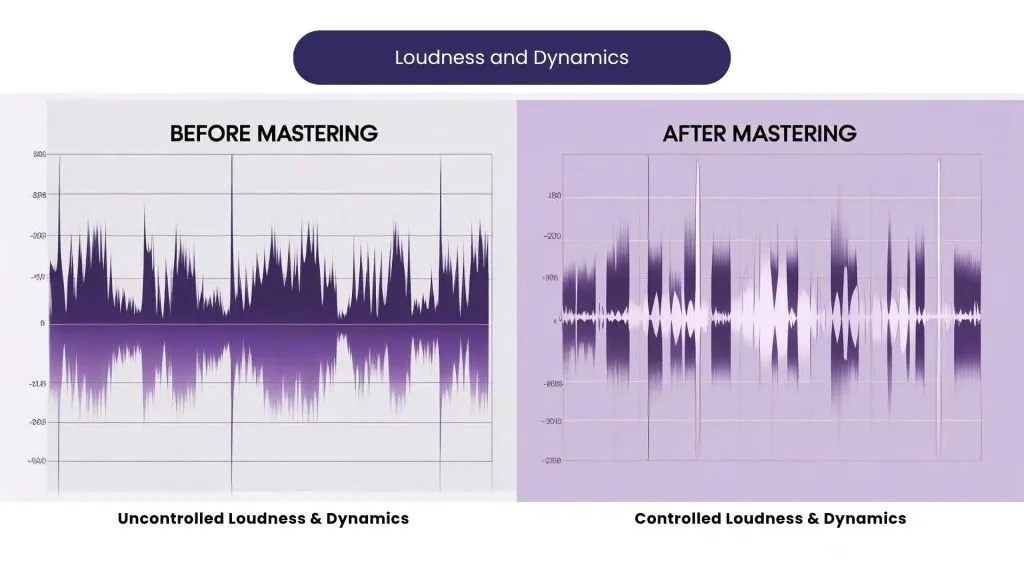
Image Source: Remasterify
I decided to put these AI mastering solutions through their paces. My hands-on trials covered multiple platforms and music genres. The goal was straightforward – I wanted to see if these services could deliver professional-quality masters in just two minutes as advertised.
Test Setup and Track Selection
I prepared five unmixed tracks to get a complete evaluation. These covered different styles: electronic dance music, indie rock, hip-hop, classical, and metal. Each track was a high-quality WAV file exported from a properly mixed session. This step matters because even the best AI mastering can’t fix basic mix problems. I left about 3-6dB of headroom on each track’s master bus. This gave the AI algorithms enough dynamic range to work with.
The test needed a fair comparison. I uploaded each track to three leading platforms: LANDR, Cryo Mix, and AI Mastering. I also sent the same tracks to a professional mastering engineer as a reference point. This took longer than the two-minute AI process, as expected.
Before vs After: Audio Quality Comparison
The results caught me off guard. The AI-mastered tracks showed clear improvements in several areas:
Loudness and punch: Each service brought tracks up to modern loudness standards (around -14 LUFS for streaming) without distortion.
Frequency balance: These tools handled frequency issues well. They tamed harsh highs and added clarity to muddy midranges.
Stereo imaging: The spatial enhancements worked great. They widened the right elements while keeping low frequencies centered.
Electronic and hip-hop tracks worked best with AI treatment. The classical piece showed the biggest gap compared to human mastering, especially in keeping subtle dynamic changes. Here’s something interesting – during blind A/B testing, many of my producer friends couldn’t tell which masters were AI-generated versus human-made.
Cryo Mix stood out with electronic music. LANDR did its best work with rock and hip-hop tracks. AI Mastering processes fewer tracks monthly than others (approximately 3,600 tracks), yet its results often matched my manual masters.
Speed and Efficiency Results
These platforms are lightning fast. Traditional mastering takes hours or days, but every AI service finished in under five minutes. The actual processing averaged 2-3 minutes per track. File uploads and downloads took the rest of the time.
Making revisions showed even more benefits. Each platform offered different ways to customize:
You could compare before/after results right away
Tweaking settings like brightness or warmth only took seconds
Different genre presets were easy to test against each other
The numbers make sense financially. Professional mastering engineers charge between $50-$250 per track. AI services cost around $5 per song. A 10-track album could save you over $2,000.
These tests show that AI mastering works well for many people. Independent artists, producers working on demos, or anyone needing quick results will find it useful. High-stakes professional projects might still need a human engineer’s touch. Yet the quality gap keeps shrinking, especially for genres with standard mastering approaches.
User Experience: From Upload to Final Master
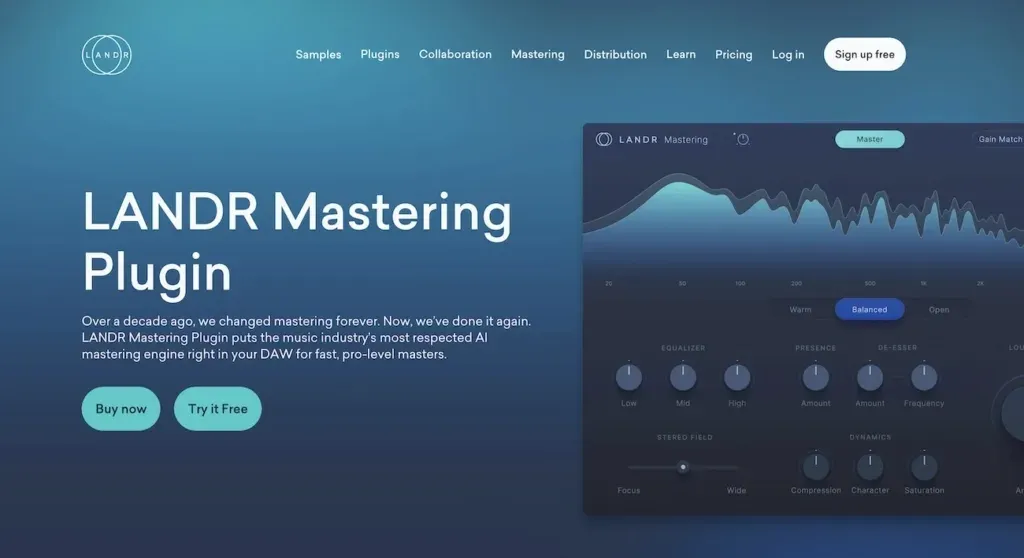
Image Source: The AI Musicpreneur
AI mastering platforms focus on simplicity without compromising functionality. Testing these tools showed me how efficient the process is – from the original upload to getting your polished master.
Drag-and-Drop Simplicity
AI music mastering services make uploading tracks simple. The platforms have user-friendly drag-and-drop interfaces that are available to everyone, whatever their technical expertise. File management comes with practical limits – to name just one example, some services cap uploads at 200MB and won’t process tracks longer than 12 minutes.
My tests showed most services analyze your track right after upload. The analysis looks at technical details like dynamics, peak levels, and mix problems. Here’s a crucial tip: your mixes should never peak before upload. The best results come when peaks stay between -6 to -3dB. Some services give you instant feedback about your mix at this stage and point out potential issues before processing starts.
Customizing Loudness and Output Format
AI mastering online platforms let you customize your sound in different ways. The basic options you’ll find on most services are:
Target loudness (measured in LUFS) for streaming or club-ready masters
Mastering intensity levels that control processing strength
Output formats like WAV, MP3, and sometimes FLAC or AIFF
Advanced platforms have spectrum visualization and loudness analysis tools. These visual guides help you see how your adjustments change the sound. LANDR offers various styles with different intensity and loudness settings that match specific genres.
Some services like AI Mastering give you more control with frequency-specific adjustments. You can use low and high cut filters to remove unwanted bass rumble or harsh highs. These tools strike a balance between automated processing and manual tweaking.
Plugin vs Web App Workflow
You’ll find online AI mastering software in two main forms: web-based apps and DAW plugins. Web platforms work in your browser and need just an internet connection with minimal local processing power. You can access them from any device, but you’ll need to upload and download files.
DAW plugins like LANDR’s integration give you instant results without breaking your production flow. You can make changes in real-time instead of waiting to upload to an external service. Yes, it is especially helpful when you’re mixing and want to test different versions.
Logic Pro’s Mastering Assistant and other DAWs now come with built-in AI mastering tools. These integrated options remove the need for third-party services while keeping AI processing speed benefits.
Cloud services give you multi-device flexibility, while plugins combine smoothly with your workflow. Your production style and equipment will help you choose between them.
AI Mastering Online: Pros and Limitations
AI mastering provides both advantages and drawbacks when balancing convenience with quality. Musicians need to weigh these trade-offs carefully to decide between automated solutions and human expertise.
Advantages Over Manual Mastering
The cost savings of AI mastering make a compelling case. Musicians can master unlimited tracks for under $50 monthly instead of paying $50-150 per track for a human engineer. The speed difference stands out dramatically – AI mastering services deliver finished masters within minutes while traditional engineers take multiple days.
AI platforms also make mastering more accessible to everyone. The process works simply: upload your mixed track, select your priorities, and get your professionally mastered track almost right away. Independent artists with tight budgets and deadlines can now access professional-grade mastering technology.
Limitations in Genre-Specific Adjustments
A detailed 472-person blind test revealed clear quality differences between human and AI mastering. Human masters scored higher at 6.4/10 and 6.1/10, while the best AI solutions reached only 5.9/10.
Genre limitations pose a real challenge. AI mastering works well with electronic, hip-hop, and pop music but don’t deal very well with jazz, classical, and experimental compositions that need careful, customized treatment. AI systems cannot understand your emotional connection to songs or album flow considerations.
When to Use Human Engineers Instead
Human mastering engineers become essential when that final 10-20% quality improvement matters in competitive professional settings. Music with unconventional structures benefits greatly from human judgment.
Human expertise works best for:
Commercial releases that need radio-ready polish
Projects where feedback cycles improve results
Music with complex dynamics or irregular arrangement elements
Projects where artistic vision needs careful decision-making
Expert engineers bring value beyond technical adjustments. They listen with fresh ears on high-end studio equipment and suggest mix improvements before finalizing. Through collaboration with engineers, productions often reach levels that automated systems cannot achieve alone.
Subscription vs Pay-Per-Track: What’s Right for You?
The right payment structure for AI mastering services directly affects your budget and workflow efficiency. These platforms have gained popularity, making it essential to understand their pricing approaches for maximum value.
Cryo Mix vs LANDR Pricing Models
The industry has two main approaches: subscription-based services and pay-as-you-go options. Cryo Mix offers a subscription model with tiered monthly plans that start at simple levels for occasional users. Their model lets you master unlimited tracks within your subscription tier. LANDR takes a different approach by providing both options – a flexible credit-based system for infrequent users and complete subscriptions for regular producers. This versatility works well for various usage patterns, serving everyone from weekend musicians to full-time producers.
Free Previews vs Full Access
AI music mastering platforms now include some form of preview functionality. These range from 30-second samples to full-track previews with subtle quality limitations. The previews are a great way to evaluate how each algorithm handles different musical elements. Note that previews often come with watermarks or quality limitations that prevent commercial use. You’ll need either a subscription or individual track purchases to get full access.
Long-Term Cost Considerations
Your usage pattern determines which model gives you better value. Subscription services consistently offer better economics for prolific creators who produce multiple tracks monthly – sometimes bringing per-track costs below $2. Occasional producers might find pay-per-track more economical since it helps avoid monthly charges during inactive periods. The bundled features beyond mastering deserve attention too, as many platforms include distribution services, additional file formats, or stem processing options that could justify premium pricing tiers.
Conclusion
AI mastering has evolved dramatically from its early days. I tested mastering platforms for music of all genres and these tools now deliver remarkable results in minutes instead of days. The quality difference between AI and professional human mastering keeps shrinking, especially when you have electronic, hip-hop, and pop genres. Human engineers still add more value to classical and experimental music, but the 92% accuracy rate for specific genres shows how this technology has grown.
These platforms shine brightest when it comes to speed. Tasks that used to take days now happen in minutes. Artists can quickly try different versions and styles. On top of that, it saves serious money – we’re talking thousands of dollars less for a full album compared to traditional mastering.
LANDR, Cryo Mix, and AI Mastering platforms have nailed the sweet spot between simplicity and control. Their accessible interface works great for beginners, while experienced users can dive deep into sound customization.
Your production volume and workflow should guide your choice between subscription plans and pay-per-track options. Regular producers get better value from unlimited subscriptions, while occasional users might prefer buying credits as needed.
This technology will keep getting better, but we’ve hit a milestone where these tools deliver professional results in most cases. Human mastering engineers provide that extra 10-20% quality boost and creative collaboration that AI can’t match yet. Notwithstanding that, today’s AI mastering solutions are perfect for independent artists, budget-conscious producers, or anyone needing quick results – something unthinkable just a few years back.