How much does it cost to master a song in today’s music industry is a question that leaves many artists puzzled during their budget planning.
Understanding mastering prices helps artists avoid budget surprises during their recording projects. The average mastering rates now range from $50 to $150 per track, and many studios charge about $100 per song for standard services. These rates can change by a lot based on the studio and engineer you choose. To cite an instance, Sage Audio charges $49 per song for analog mastering. Premium services or singles might cost $150, which includes setup and additional versions.
Mastering costs make up just one part of the complete production chain. Mixing needs more money – usually $200 to $800 per track. A full production with indie or B-list artists will set you back $1,000 to $3,000 per track.
Let me explain what your mastering investment pays for and whether premium options truly deliver value for your money.
What Is Mastering and Why It Matters
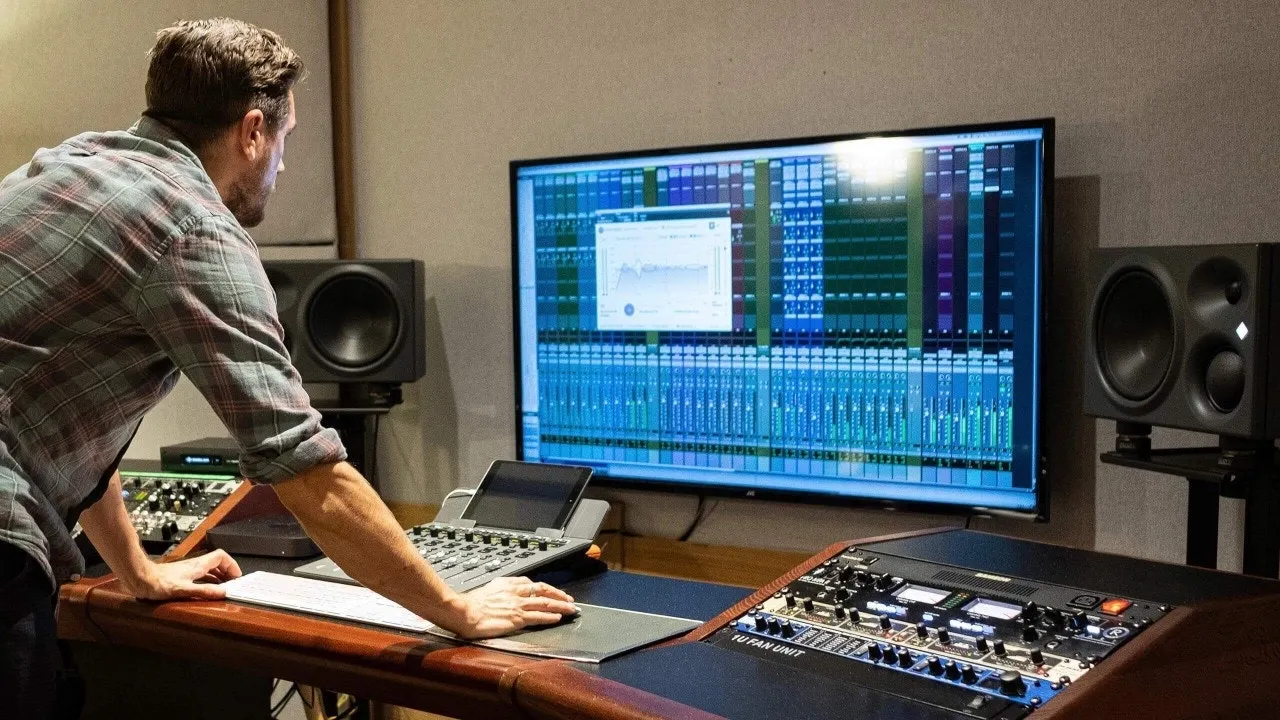
Image Source: Pirate Studios
Mastering is the last significant stage in music production. Many people misunderstand it, yet it’s vital to create professional-quality releases. Let’s get into what you’re really paying for when you hire a mastering engineer.
The role of mastering in music production
Mastering is the post-production process that gets your music ready for distribution on platforms and playback systems of all types. You could call it the final quality checkpoint where subtle yet powerful tweaks bring your mix to life.
Mastering engineers use precise signal processing techniques like equalization, compression, saturation, stereo enhancement, and limiting to achieve several significant goals. These adjustments work to:
Create balanced frequency response and controlled dynamic range across tracks
Make sure all songs on an album have consistent volume
Get the best playback quality on different speaker systems and media formats
Meet technical specs for distribution (sample rate conversion, metadata)
A professional polish sets commercial recordings apart from amateur ones – that’s what mastering gives your music. One engineer puts it this way: “The goal of mastering is to keep the original intentions of the artist and producer and ‘polish’ the sound, bringing the listener closer to the emotional content of the music”.
Mastering engineers also adapt your music for different distribution formats—streaming services like Spotify and Apple Music, physical media like vinyl or CD, and other digital platforms. Your tracks will sound great whatever way people listen to them.
The technical side of mastering takes care of manufacturing and distribution requirements. This means adding metadata, converting sample rates, reducing bit depth, and getting the right sequence for albums or EPs. These might seem like small details, but they’re vital for professional releases.
All the same, mastering can’t fix basic problems in your mix—many new artists don’t realize this. Even the best mastering engineer won’t save poorly recorded or mixed tracks. Audio professionals often say: mastering cannot fix problems created during the mixing stage.
How mastering differs from mixing
Mixing and mastering serve different purposes in music production, though they use some similar tools and techniques. This difference helps explain why you might pay separately for each service.
Mixing works with individual multi-tracked elements from recording sessions – vocals, instruments, effects – and balances them into one cohesive arrangement. Mix engineers adjust levels, panning, effects, and EQ settings for each separate track. They aim to create harmony between all elements so everything sounds clear and works together musically.
Mastering works only with the finished stereo mixdown after mixing is done. Mix engineers can isolate and adjust individual instruments, but mastering engineers work with the entire track as one unit. They make broad, subtle adjustments that affect everything at once.
Timing and viewpoint also separate these processes. Mixing usually happens right after recording, and the engineer knows each track intimately. Mastering comes later, often done by someone with fresh ears who provides an objective viewpoint—a significant benefit worth the extra cost.
The level of subtlety also sets these processes apart. Mixing makes noticeable changes to individual tracks, while mastering uses more nuanced improvements that untrained ears might miss. These refinements substantially affect how professional your music sounds when released.
The balance of influence tells an interesting story: mixing makes up about 80% of your song’s final sound, while mastering provides the remaining 20%. This split shows why mixing usually costs more than mastering, though both are vital investments for professional-quality releases.
How Much Does Mastering a Song Cost in 2025?
Image Source: Audio Mixing Mastering
Audio mastering prices in 2025 show a wide range, and several factors determine the final cost. Here’s a detailed look at what you can expect to pay in today’s market.
Average mastering prices per track
A typical song mastering costs between $50 and $150 per track, though prices shift based on the engineer’s experience and studio reputation. Online automated mastering services start at $15-$50, which makes them available to artists with limited budgets. Freelance engineers with home studios charge $50-$100 per song. They bridge the gap between automated services and professional studios.
Professional studio mastering runs from $100-$500 per track. Top-tier engineers might charge $500 to $2,000+. Some well-known studios have competitive rates – The SoundLAB charges $49 for single-song mastering, down from $75.
Budget vs. premium studio rates
The price difference between budget and premium options shows real variations in quality and expertise. Budget options start at $45-$50 per song. They provide simple processing but might miss the detailed touch of seasoned engineers.
Mid-range services ($150-$400 per track) give you more personal attention and better equipment. Premium options ($400-$1,000 per track) put your music in the hands of engineers who work with major label artists.
Studios often reduce prices for bigger projects. Hit and Run Recording’s rates show this well: $45 per song for 1-3 songs, $40 for 4-6 songs, and $35 for 7-10 songs. This makes larger projects more economical per track.
Stem mastering vs. stereo mastering costs
Your choice between stereo mastering (full mix) and stem mastering (individual elements) affects the price significantly.
Stereo mastering costs less because engineers work with just one stereo file. Stem mastering costs more since it involves multiple tracks (usually 5-8 stems) and takes more time to process.
Engineers price stem mastering based on the number of stems you submit. Some high-profile engineers ask $600-$700 for stem mastering an EDM track with 8 stems. Many consider these rates higher than standard market prices.
Your mastering budget should match your project’s goals and commercial potential. High-end mastering delivers superior quality, but mid-range options often give excellent results at prices that work better for independent artists.
Factors That Affect Mastering Prices
Image Source: Mastering The Mix
The price you’ll pay for mastering depends on several important factors. These variables can greatly change what different studios charge. Some studios ask for $75 while others might charge $500 or more for the same track.
Experience and reputation of the engineer
Your mastering engineer’s expertise definitely plays a major role in pricing. Engineers with Grammy awards or notable credits often charge premium rates—sometimes $1000 or more per track. This premium isn’t just about the name. These seasoned engineers have refined listening skills from years of practice. They spot frequency problems quickly and apply precise solutions that newer engineers might miss.
Higher prices often go hand in hand with experience, but it’s not always that simple. Some engineers charge more because their reputation lets them do so. That’s why you should look at their portfolio rather than just their rates. The genre they specialize in matters too. An engineer great at pop production might not deliver the best results for metal tracks, even with impressive credentials.
Studio equipment and room quality
The technical setup affects mastering prices a lot. Studios that use analog hardware (vintage compressors, EQs, tape machines) usually charge more than those working only with plugins. This equipment serves a real purpose. Analog gear adds specific tonal qualities and needs substantial investment. The purchase and maintenance costs get passed to clients.
Room acoustics are another vital factor. Professional mastering studios have carefully designed spaces that eliminate reflections and frequency biases. Building and maintaining these acoustically neutral environments needs serious investment. This explains why engineers working in such spaces charge more.
Turnaround time and project complexity
Quick turnaround times cost extra. Rush delivery usually means additional fees because engineers must change schedules or work overtime. Most studios take 3-5 business days for single tracks, with more time needed for EPs or albums. You can save money by planning ahead, and your music gets proper attention too.
Project complexity affects pricing as well. Track count matters, but there’s more to it. A simple-looking project with layered vocals or detailed arrangements needs more time than straightforward productions. The engineer becomes both technician and project manager for complex mixes—a service that deserves higher rates.
These factors explain why mastering costs vary so much across the industry. Understanding them helps you choose services that fit both your budget and project needs.
Pricing Models Used by Top Studios
Professional mastering studios structure their pricing through several models. Each model serves different client needs and project scopes. A clear understanding of these options will help you plan your budget for upcoming releases.
Flat rate per song
Professional mastering studios prefer a straightforward per-song pricing approach. This model gives clients clarity and lets studios set fair rates based on their expertise. Standard flat rates these days range from $50-$150 per track, though prices vary significantly. Some online services cost as little as $30 per song. Premium engineers might charge $300+ per track.
Standard flat-rate mastering packages include digital distribution files (16-bit/44.1kHz WAVs), basic metadata embedding, and some revision options. Studios usually allow two revision rounds, and they charge extra for additional changes. Songs longer than 5-7 minutes might cost more at some studios.
Tiered pricing for multiple tracks
Volume discounts have become popular among studios. They encourage clients to master complete projects instead of individual tracks. This approach creates a win-win situation – artists reduce costs while studios secure bigger projects.
To cite an instance, a studio might charge $30 for one song and $55 for two songs. The price could drop to about $15 per track for a 25-song project. Another studio starts at $65 for single songs, reduces to $55 per song for 2-5 tracks, and drops to $50 for six or more.
Studios reward loyal customers with additional benefits. Clients with five or more previously mastered songs often qualify for extra discounts on future multi-track projects.
Hourly rates and custom quotes
Some projects need hourly billing, especially those with complex requirements. Current hourly mastering rates start at $40 for entry-level services and reach $275-$425 at high-end studios.
New engineers charge between $25-$100 per hour. Mid-level engineers set their rates from $100-$200, while senior engineers might bill $200-$500+ hourly. This pricing works best for projects that need extensive consultation or specialized formats like vinyl preparation.
Custom quotes make sense for large projects or specialized services such as restoration work. Studios evaluate specific requirements before offering tailored pricing.
How to Communicate and Justify Your Rates
Setting proper mastering rates is only half the equation—you must effectively communicate their value to clients as well. Successful studios balance fair compensation with clear client communication to build lasting relationships.
Being transparent with clients
The foundation of any healthy client relationship begins with transparent communication, especially regarding finances. I always provide upfront rates and detailed explanations of what services include. This transparency prevents misunderstandings and builds trust. When discussing projects, I offer comprehensive quotes that outline each element of the service, preparing clients for what to expect.
Explaining the value of your service
Communicating value goes beyond listing prices—focus instead on what clients receive for their investment. When discussing rates, I avoid one-dimensional conversations centered solely on numbers. Top engineers command $400-$500 hourly rates not just for equipment access but primarily for their accumulated knowledge and trained ears. These experts have spent decades mastering everything from vinyl to Atmos formats, representing invaluable expertise worth paying for.
Avoiding the race to the bottom
Underpricing your services creates long-term problems that outweigh any short-term client acquisition benefits. Many studios report that business actually improved after raising rates. As one experienced mastering engineer noted, “I used to underprice myself. Business picked up when I raised my rates”. This counterintuitive result occurs because clients often associate price with quality—too-low rates can signal inexperience or subpar service.
Your pricing strategy should reflect your true value, not fear of losing clients. By confidently pricing your services and educating customers about what justifies your rates, you attract clients who appreciate quality over bargains.
Conclusion
Quality mastering is a vital part of any serious music creator’s release plan for 2025. After looking at industry rates, mastering studios of all sizes offer quality work without premium pricing. Budget-conscious artists can find good services starting around $50 per track. Those who prefer working with seasoned engineers might need to set aside $100-$500 based on what the project needs.
Several factors combine to set mastering prices – the engineer’s experience, equipment quality, studio acoustics, turnaround time, and project complexity. Raw numbers shouldn’t be your only guide when picking a mastering service. The cheapest option rarely gives the best value, but paying top dollar doesn’t guarantee perfect results for your genre or style.
Smart artists align their mastering budget with their project goals. A demo or practice release works fine with budget-friendly services. Commercial singles or albums need mid-tier professional treatment to sound their best. You can save hundreds on bigger projects by asking about volume discounts when mastering multiple tracks.
Mastering might be just one cost along with recording and mixing, but this final polish shapes how people hear your music. Professional mastering helps your tracks sound great on all playback systems and gives them that “commercial sound” quality.
Here’s the thing – great mastering needs great mixes first. Even the best engineers with top-shelf gear can’t fix basic mix issues. Your mastering budget works best when you’ve got solid recording and mixing as the foundation.
You have options from budget-friendly online services to premium engineers. Mastering isn’t just another expense – it’s an investment in your music. The right mastering engineer becomes your partner in taking your music from studio to listeners’ ears. For artists serious about their craft, the $50-$150 per track investment makes perfect sense.