AI mastering has grown from a novel concept into an industry standard that Grammy Award winners and more than 5 million musicians worldwide trust. The technology’s quality has improved dramatically. What used to produce questionable results now creates masters that match expensive studio work.
Free AI mastering tools now deliver professional-quality results without breaking the bank. Major labels trust services like LANDR to create release-ready masters for big names like Lady Gaga, Snoop Dogg, and Seal. The number of options makes it tough to pick the best free AI mastering software.
My tests of various free AI mastering services led me to tools that work up to 10 times faster than traditional methods and deliver professional sound quickly. This hands-on review looks at six leading platforms with free AI mastering features that Grammy-winning producers use. We’ll compare their features, sound quality, and what they can and can’t do.
Table of Contents
Why Free AI Mastering Tools Are Gaining Popularity
AI mastering tools have grown from experimental tech into must-have resources for musicians everywhere. These platforms have steadily caught on across the industry, and I’ve watched it happen firsthand.
The rise of AI in music production
The music production scene has changed as AI technologies mature and gain acceptance. Right now, about 60% of musicians use AI in their music creation process. The numbers tell an interesting story – 20.3% of artists use AI for music production, and 30.6% have made AI part of their mastering workflow.
Musicians aren’t just jumping on a bandwagon – they’re part of a transformation in how pros approach their craft. What once needed physical instruments and analog gear has turned into smart computer processes that boost creativity rather than replace it.
AI algorithms help fine-tune EQ, dynamics, and sonic textures with amazing precision. Producers can now focus on making music instead of getting stuck with technical details.
Cost savings for indie artists
The huge price difference between AI and traditional mastering services makes it a no-brainer for many. Human mastering engineers usually charge $50 to $500 per track. AI mastering services are way more budget-friendly:
LANDR gives you unlimited masters at $9.99 per month
Masterchannel delivers pro-quality masters for $5.00 per song
Many platforms let you compare original and mastered versions free before buying
Independent artists with tight budgets can now release pro-sounding music without breaking the bank. These tools also make sure tracks are optimized for streaming platforms by adjusting volume and dynamic range just right.
Accessibility for beginners
AI mastering has put pro-quality sound within reach of beginners who don’t have much tech know-how. You needed either deep knowledge or expensive help to get studio-quality mastering before. Now artists upload their tracks and get polished, pro-sounding masters almost right away.
This matters a lot since new creators join the music scene every year. Tools like LANDR study thousands of professionally mastered songs to create unique mastering chains for each track. Even people who don’t know much about the technical side can get professional results.
Small labels and independent artists can now put out professional-quality music without spending big. Most platforms give you unlimited free previews to experiment until you find what strikes a chord with your artistic vision.
AI mastering helps independent musicians release polished, pro-sounding music quickly. It’s more than just a cheaper option – it’s a practical tool that equips creators to sound their best without the usual roadblocks.
6 Best Free AI Mastering Tools You Can Use Today
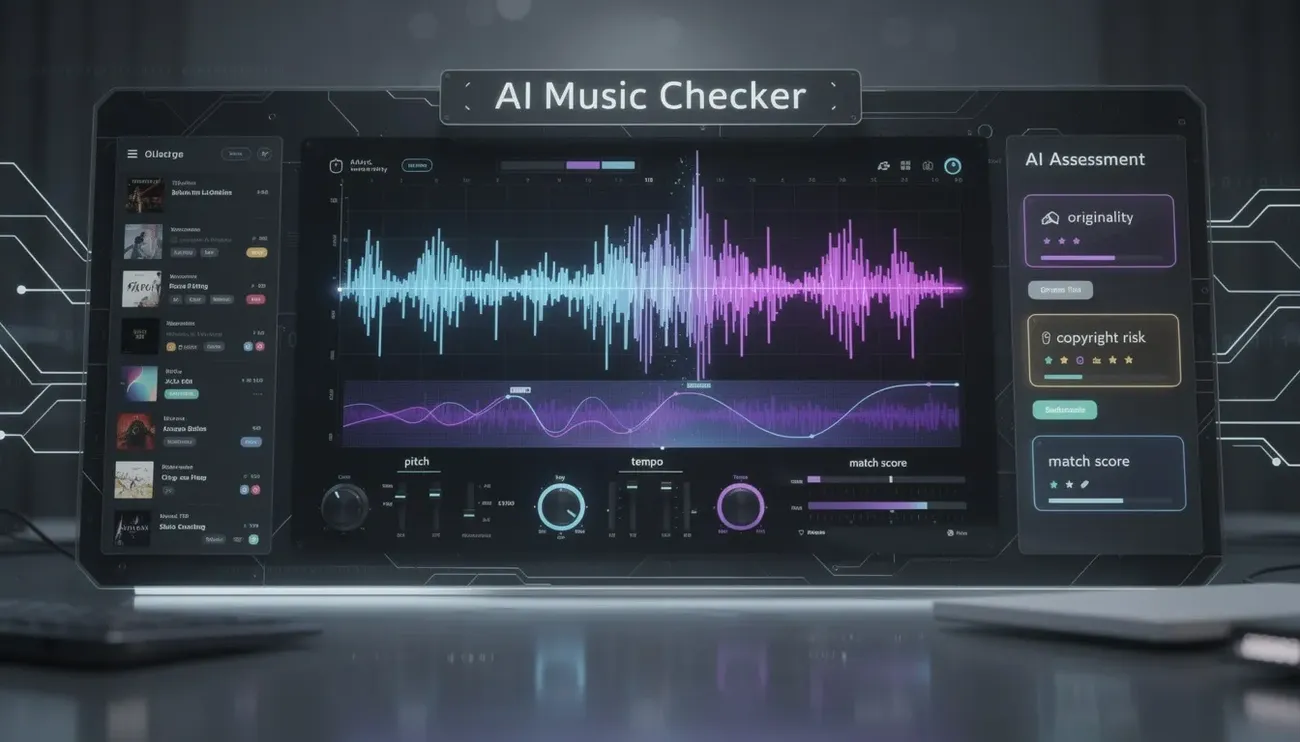
Image Source: Beats To Rap On
These six free AI mastering tools stand out from the crowd. My testing shows they can lift your tracks without breaking the bank.
1. LANDR: Trusted by Grammy Winners
LANDR has led AI-driven audio processing since 2014. The platform masters your tracks quickly while maintaining quality. It studies your track using genre-specific criteria and adds professional-grade effects to boost clarity, depth, and loudness. The technology blends sophisticated algorithms with a vast reference library in any genre to create custom mastering chains.
LANDR excels at creating masters with proper dynamic range that sound competitive. You can choose between online options and a desktop plugin that works in your DAW, providing instant feedback on audio quality. Single masters cost about $10, but subscription plans cut costs substantially for multiple tracks.
2. MasteringBOX: Fast and Customizable
MasteringBOX creates professional sound through a simple three-step process. The service studies your track’s dynamic and spectral features before fine-tuning it for optimal sound. Its user-friendly design helps beginners adjust loudness and three-band EQ controls to achieve their desired sound.
You get one free MP3 master daily, perfect for testing before buying premium plans. MasteringBOX 2.0 brings a better mastering environment where you can upload, edit, and master simultaneously. The new 32-bit floating-point workflow delivers superior quality output.
3. BandLab: Free and Beginner-Friendly
BandLab offers free song mastering with four expert presets created alongside Grammy-winning multi-Platinum artists. The service focuses on improving your mix through carefully designed processing chains instead of relying only on algorithms and data.
Masters process 10 times faster than other services, giving you more time to create. Four main presets meet different needs: Universal (balanced for any speaker), Fire (punchy with enhanced lows), Clarity (pristine highs with expanded dynamics), and Tape (warm saturation with analog processing). Premium members can access more presets and intensity controls.
4. CloudBounce: Quick and Cloud-Based
CloudBounce pioneered AI mastering since 2015, processing over 2 million tracks from users in 130+ countries. The standalone service ended in June 2025, but its technology continues as a built-in AI mastering feature in FL Studio.
CloudBounce’s strength lay in reference matching and detailed EQ controls split into three frequency bands: Bass, Mid, and Brightness, plus a Warmth control. Users loved its precise LUFS targeting for streaming optimization, making it popular among digital distributors.
5. Masterchannel: Genre-Specific AI
Masterchannel uses advanced AI to boost frequency response and dynamics. Your tracks will sound professional on all playback systems. The platform creates masters based on your genre’s sonic characteristics instead of using presets.
Your tracks remain 100% yours – no hidden AI training or other uses. Masterchannel charges $5 per track, offering budget-friendly professional sound quality. A specialist will adjust AI settings if the original master needs improvement.
6. eMastered: Reference-Based Mastering
eMastered shines with its reference mastering feature. The engine learns from a song you admire to master your track better. This smart approach helps analyze what makes your reference track great and applies similar processing to your music.
Grammy-winning engineers created this AI-powered tool that delivers professional results. The system studies EQ balance, dynamics, and loudness from your reference track. You get a shortcut to achieve the sound quality of professional music you love.
Hands-On Review: Testing Each Tool with Real Tracks
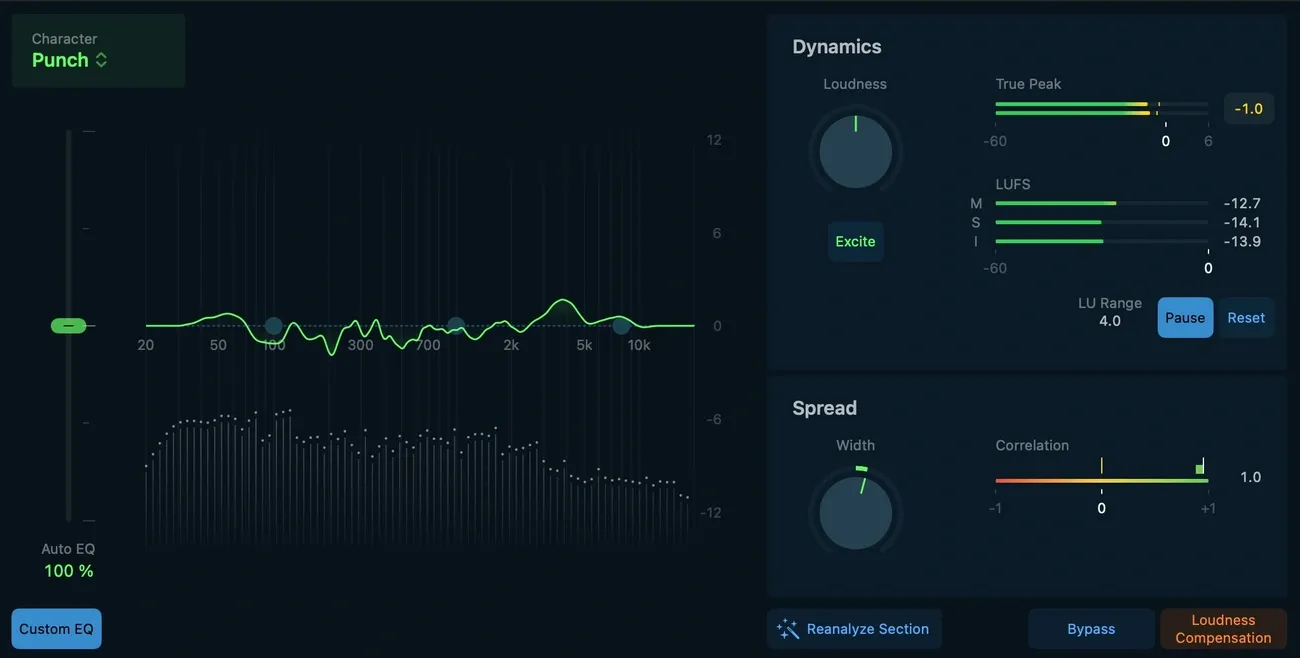
Image Source: Ars Technica
I tested several free AI mastering tools with real music tracks to see how they match up against professional studio mastering.
Track selection and testing criteria
The test used an instrumental electronic track with rich dynamics and full-range frequencies. This choice helped isolate differences from the mastering process rather than song variations. A double-blind testing method made sure neither the listeners nor I knew which master came from AI or human engineers.
The test looked at three main areas:
Clarity: Mix elements’ definition and frequency cleanliness
Presence: Overall fullness and impact
Depth: Sound dimensionality and dynamic range
The process included a quality check that ruled out any masters with obvious flaws like clipping, distortion, or poor balance.
Sound quality and loudness results
Human-mastered tracks proved better than AI options, scoring 6.4/10 compared to 5.8/10 for the best AI results. Some AI tools still showed impressive capabilities:
LANDR created clean masters but made tracks too bright and sometimes missed the mark with EQ balance. MasteringBOX did great work with low frequencies and kept clarity consistent across the spectrum. Masterchannel shined with podcast audio and brought clarity without artificial processing.
Each service handled loudness differently. CloudBounce made tracks too loud with limited control options. LANDR hit the sweet spot with balanced loudness levels that worked well.
Ease of use and interface design
BandLab impressed by working 10 times faster than other options. eMastered ran smoothly and finished analysis quickly, letting users compare original and mastered versions instantly.
CloudBounce ran slowly and sometimes stopped working due to overloaded queues. Most platforms offered customization options, though eMastered’s sliders worked more like preset switches than true controls.
Masterchannel kept things simple with no user controls but added human review for subpar AI results. LANDR’s interface stood out by letting users hear changes in real-time while adjusting settings, which made up for shorter preview times.
What to Expect from Free AI Mastering Software
Image Source: CarMaster
Free AI mastering solutions pack impressive features but come with their share of tradeoffs. You need to know these limitations to set realistic expectations before adding them to your workflow.
Limitations of free versions
Free AI mastering tools use preset-based logic that often creates generic results. These tools can achieve technical loudness and clarity but don’t deliver the fine-tuned balance that makes tracks feel dynamic and engaging. Most platforms limit their free tiers with:
Limited file formats (typically MP3 only)
Reduced sample rates and bit depths
Fewer genre-specific processing options
Restricted number of masters per month
BandLab offers completely free mastering and stands out from the rest. However, it won’t let you edit or bundle uploads, so you must process tracks one at a time.
Common issues and how to work around them
AI mastering algorithms can produce sterile, over-processed results. This happens because they rely on pattern recognition and optimization without grasping emotional context. The most available AI tools are often the most limited. A single slider marked “reduce noise” might hide complex processing but leaves no room for subtle adjustments.
These problems have some workarounds: Start by testing different intensity settings—pushing AI too hard creates artifacts that dull tonal content and damage transients. Next, pick reference tracks that match your target sound closely. You could also mix multiple AI tools by using one for EQ balance and another for dynamics.
When to use manual mastering instead
Some projects need professional human mastering. AI tools don’t deal very well with experimental or genre-blending music where artistic decisions lift a track beyond algorithmic analysis. These tools can’t understand a song’s emotional arc or album progression—how tracks flow into each other.
AI mastering falls short with albums that need sequencing and multiple format outputs (CD, vinyl, streaming). These projects need proper spacing between songs and format-specific masters like special vinyl pre-masters with minimal limiting and careful attention to vocal sibilance. Music that needs emotional depth or projects where quality matters more than convenience will benefit from professional mastering.
Best Use Cases: Who Should Use These Tools?
AI mastering tools attract many artists today, and with good reason too. Let’s look at who gets the most value from these services and whether they match your needs.
Bedroom producers and indie artists
Independent musicians struggle with tight budgets and limited time. AI mastering has become a game-changer for creators who can’t spend $30-300 per track on professional mastering engineers. These tools save time and simplify complex mastering processes for bedroom producers. Services like Chosen Masters deliver quick, affordable results when mastering feels overwhelming to beginners.
Podcasters and content creators
AI mastering’s appeal extends beyond music producers. Podcasters now employ these tools to boost voice clarity in their amateur recordings by smoothing out volume levels. The technology works best with spoken word content by balancing voices and removing unwanted audio elements. Content creators who publish episodes regularly find this especially helpful.
Labels and engineers testing quick masters
Professional studios and 10-year old labels have added AI mastering to their workflow. They use these tools to create test masters before investing in human engineering. Producers can review their mixes quickly by creating reference masters in minutes. They also run A/B tests between different AI options to find the best direction for final masters.
Conclusion
AI mastering technology has made huge strides over the last several years. My tests show these free tools can match expensive studio work in many cases. Human mastering engineers still have the upper hand with complex projects, but the quality gap keeps getting smaller as technology advances.
Tools like LANDR, BandLab, and eMastered are a great way to get started, especially if you’re a bedroom producer or independent artist on a budget. You don’t need to spend hundreds of dollars per track anymore to get professional-sounding masters. These platforms make it easy for creators to get polished, streaming-ready results without technical know-how.
In spite of that, we need to be clear about what these tools can and can’t do. AI doesn’t deal very well with nuanced emotional interpretation and album-wide cohesion. Projects needing these elements will do better with human mastering engineers who see the musical context beyond algorithms.
AI mastering has opened up music production to everyone. These free tools can help whether you’re an indie artist with your first EP, a podcaster improving audio quality, or a pro testing ideas before final mastering. The best strategy might mix both worlds – AI for quick iterations and reference masters, saving human mastering for your most important releases.
My real track tests with these platforms showed impressive results. You should try the free options before spending big on mastering services. The results will surprise you – they sure surprised me.