Melodic techno production has skyrocketed in the last decade. Artists like CamelPhat and Anyma have dominated the scene with their groundbreaking sounds. This emotionally rich subgenre has transformed from underground roots to mainstream success since its early days in 2010.
The essence of melodic techno lies in its unique blend of hypnotic techno foundations and rich, emotive melodic elements. Most tracks sit between 122-130 BPM and producers often choose G minor, F minor, or F# minor as their key signatures. The mid to late 2010s saw this genre emerge as its own distinct style. Visionary artists like Tale of Us, Mind Against, and Agents of Time challenged the status quo and shaped the signature sound. The genre reached new heights in January 2025 when Anyma—one half of Tale of Us—delivered a landmark performance at The Sphere in Las Vegas.
This piece will dive deep into melodic techno production techniques that deliver results in 2025. We’ll explore everything from studio setup and BPM settings to percussion programming and atmospheric sound design. Our tested approaches will help raise your productions to professional standards. These techniques work for both newcomers and experienced producers who want to sharpen their skills.
What Is Melodic Techno and Why It Matters in 2025
Melodic techno sits at the crossroads of emotional storytelling and hypnotic rhythms. This genre has grown from a small niche to become one of electronic music’s most powerful movements. The style differs from traditional techno by balancing driving beats with sophisticated melodic structures that appeal on multiple levels.
Genre development and current trends
The melodic techno experience started in Italy around 2013. Several artists moved away from deep house to explore more atmospheric techno territories. Tale of Us, Mind Against, and Agents of Time described this change as “apparently by pure coincidence,” which created an entirely new musical language. Tale of Us released their ‘Another Earth’ EP in 2013, which they now call ‘the birth of this new techno sound’.
The genre found its identity and leading figures by the mid-2010s. Labels like Kompakt, Innervisions, and later Life and Death became vital curators of this emerging sound. These labels promoted records that emphasized melodic development over percussive reduction. The genre transformed from Italian deep house experiments into electronic music’s most emotionally appealing category.
Melodic techno has matured into a genre that connects the hypnotic power of traditional techno with the emotional depth of trance and progressive house in 2025. Artists now use diverse production techniques. They add cinematic elements and state-of-the-art sound design to create more immersive experiences.
Key characteristics: tempo, mood, structure
The typical tempo range for melodic techno tracks falls between 120-130 BPM. Many producers prefer 122 BPM because it provides club-ready energy while remaining available to listeners. This sweet spot maintains a steady, driving rhythm that keeps dancers moving without overwhelming them.
The genre stands out through its atmospheric soundscapes. Minor arpeggiated melodies and progressive structures unfold gradually instead of sudden climaxes. Melodic techno puts emotional depth and rich melodies front and center, unlike minimal techno forms. This approach creates a deep emotional connection with listeners.
Most tracks follow ABAB patterns (58%) with extended arrangements that let melodies develop naturally. A typical track includes 16-32 bar intros, verse/breakdown sections, 8-16 bar builds, and extended 32-64 bar drops. These elements provide space for melodic progression. Minor keys dominate the compositions—particularly A minor, G minor, and F# minor. Producers choose these keys because they provide optimal bass response on subwoofer systems.
Popular artists and labels shaping the sound
Tale of Us leads the genre through their productions and Afterlife Records. Their transformation from Italian deep house artists to global techno pioneers mirrors the genre’s growth. Stephan Bodzin’s 2015 album ‘Powers of Ten’ helped establish the melodic techno blueprint.
The 2025 melodic techno scene features many prominent artists beyond these pioneers. Ukrainian duo ARTBAT represents the genre’s commercial success by consistently topping Beatport charts. Kevin de Vries, Massano, and Colyn each bring their unique approaches to the genre.
Labels play a vital role in directing melodic techno’s future. Afterlife stands as the genre’s flagship label, known for “genre-defining sound design, cinematic builds, deep emotion, massive drops”. The scene includes other significant labels like Diynamic (founded by Solomun), Innervisions, Simulate (ARTBAT’s label), and Rose Avenue (RÜFÜS DU SOL’s platform). These labels curate sounds that engage global audiences through emotional depth and technical excellence.
Studio Setup Essentials: What You Need to Get Started

Image Source: Facebook
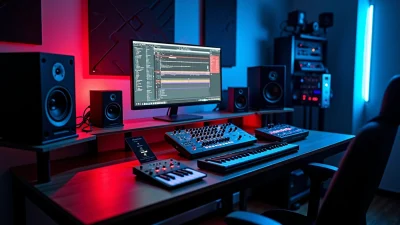
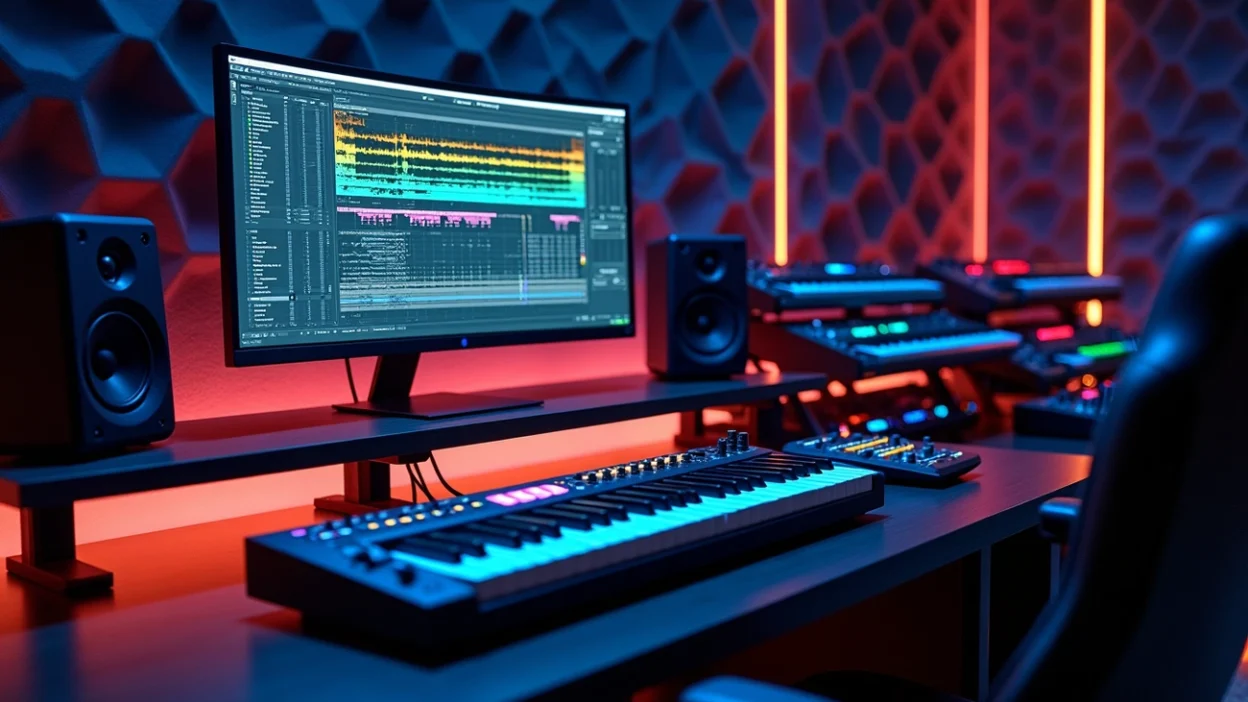
The right studio setup is the foundation of great melodic techno production. You need to get your technical parameters right before you start sound design and arrangement. This will help your productions sound great in clubs and on streaming platforms.
DAW and BPM settings for melodic techno
Your choice of Digital Audio Workstation will streamline your workflow. Ableton Live stands out as the top pick among melodic techno producers. The techno producers Robert Henke and Gerhard Behles of Monolake were part of its development team. The software works great with loops and comes with dance music-focused instruments. Notwithstanding that, other DAWs like FL Studio and Logic Pro X are also reliable options for this genre.
The right tempo is crucial once you’ve set up your DAW. Melodic techno works best between 122-130 BPM. Starting at 122-125 BPM gives you the sweet spot between energy and space. This tempo range lets your rhythmic elements drive the track while giving melodic elements room to breathe.
Choosing the right key and scale
Your track’s emotional quality and club system performance depend heavily on key selection. Minor keys dominate melodic techno tracks because they create the genre’s signature moody, melancholic vibe.
G minor, F minor, and F# minor are the go-to keys. These aren’t random choices – they sound amazing on subwoofer systems. Keys between F# and A let kick drums hit fundamental frequencies between 46Hz and 55Hz, which sound great everywhere. A minor makes a great starting point if you’re new to production.
Reference tracks and why they matter
Reference tracks are a great way to get better at production, yet many producers overlook them. As hyperbits.com puts it, “reference tracks are the secret sauce that instantly make your music better”. They set standards for your productions without limiting your creativity.
Pick reference tracks that nail specific elements you admire. You might love one track’s drum programming or another’s atmospheric elements that define melodic techno. Different references can serve different purposes. To name just one example, you could use one track to guide your arrangement and another to dial in your mix.
References work best when you set them up right in your DAW. Route them to a dedicated bus labeled “REFERENCE”. Then send all your tracks to another bus called “MIX”. This setup lets you switch between your mix and the reference quickly. Match the levels so volume differences don’t trick your ears.
References do more than help with mixing. They show you how pros develop their tracks over time. You’ll see when elements come and go. This arrangement map gives you a solid framework and speeds up your workflow.
Drums and Groove: Testing Kick, Hats, and Percussion Tools
A melodic techno track’s success depends on its drum programming. Unlike other electronic genres, melodic techno’s percussion takes a supporting role instead of leading the track. It serves as a delivery vehicle for the synth work.
Kick layering with PunchBox and Battery 4
The perfect techno kick comes from strategic layering. PunchBox stands out as an excellent tool that focuses on kick design through layered synthesis and sampling. The engine offers four sound generators (Kick, Click, Tools, and Sub) plus over 800 factory presets, giving you detailed control over low-end design. My approach to kick layering usually starts with two samples – one delivers punch and low-end thickness below 200-300Hz, while the other adds forward midrange and transient details.
Your layering will work better if you first convert the low-end to mono with a utility plugin. This ensures proper bass translation on club systems. A high-cut filter around 225Hz helps isolate those significant low frequencies. The second layer needs a low-cut around 170Hz to avoid frequency clashing. Once you find the right balance, you can add reverb ambience for that classic techno kick character, followed by subtle EQ, compression, and gentle limiting.
Battery 4 provides a different perspective as a detailed drum and percussion library. While it lacks a built-in sequencer, it shines with less processed drum sounds that you can shape into your signature style.
Hi-hat programming and groove shaping
Hi-hats can make your melodic techno groove soar or sink. A 125BPM track running for three minutes contains about 1500 hi-hat hits, making them your most repeated element. Here’s how to avoid robotic patterns:
Mix up velocities (especially on eighth-note patterns where drummers naturally hit on-beat notes harder)
Add subtle pitch modulation (stay below 10%)
Move hi-hats slightly off the grid for human feel
Switch between open and closed hi-hats to create dynamic interest
The right hi-hat pattern creates that essential push-pull dynamic. You might want to automate parameters like filter cutoff, volume, or release time to keep the arrangement interesting.
Percussion FX and swing settings
Melodic techno percussion needs more than simple patterns. You can add polyrhythms, syncopation, and textured shaker loops to fill spaces and create depth. Swing settings between 55-63% add natural groove without sounding forced.
Good percussion processing brings everything together. Global effects on your drum bus will give the entire loop unified space. Selective sidechain compression works well, especially when reverb tails might overpower original hits. Shorter release times usually create cleaner mixes in techno percussion.
Note that small changes throughout your track keep listeners engaged. You might introduce different hi-hat sounds at phrase endings or create 3-5 note loops that roll through the bar for evolving percussion textures.
Bass and Harmony: What Works for Depth and Drive
Bass and harmony elements are the foundations of any captivating melodic techno track. These components add emotional depth that sets the genre apart from harder techno variants and pulls listeners into an immersive sonic trip.
Rolling basslines with Monark and Diva
The right tools make all the difference when creating rolling basslines. Native Instruments’ Monark stands out as a top choice for melodic techno production with its moog-style sounds that work perfectly for programming pulsing 16th-note patterns. Root notes of your chord progression (such as A, F, C, G) create the strongest foundation in my experience. Monark’s Electrotechnika preset gives exceptional results for this style.
U-he’s Diva runs on rich analog-inspired tones that add warmth and character to bass elements. Its powerful filters shape deep, resonant basslines that push tracks forward. You’ll get the best results with Diva by starting with a pair of oscillators—one saw wave and another square wave—for fuller sound. The sweet spot lies above G0, since lower frequencies often turn muddy in club environments.
Sidechain compression and modulation
Sidechain compression reshapes an ordinary bassline into a dynamic, driving force. This technique creates breathing room by temporarily ducking bass volume when kicks hit. Here’s what works for melodic techno:
Test your compression alongside the bassline to ensure they complement each other
Use fast attack settings for sharp ducking effects
Experiment with release times to shape the “pumping” feel
The reverb needs sidechaining to maintain rhythmic coherence
Modulation brings static sounds to life. Filter cutoffs respond to envelope assignments, which creates evolving, dynamic basslines that keep listeners engaged throughout extended arrangements.
Chord layering with Scaler and Kontakt
Melodic techno runs on emotional chord progressions that create cinematic atmospheres. Scaler 3’s dedicated “Melodic Techno” chord sets make it easy to develop progressions like Am-F-C-G that deliver the genre’s characteristic haunting feel.
Chord layering works best with multiple instruments playing in harmony. A combination of 2-3 pad sounds—typically one bright, one mid-range, and one low—through Kontakt’s Vintage Organs or similar instruments creates depth. Filter cutoff automation over 16 bars lets these harmonic elements evolve naturally, which builds the emotional trip that melodic techno needs.
Leads, Pads, and Atmosphere: Tools That Add Emotion
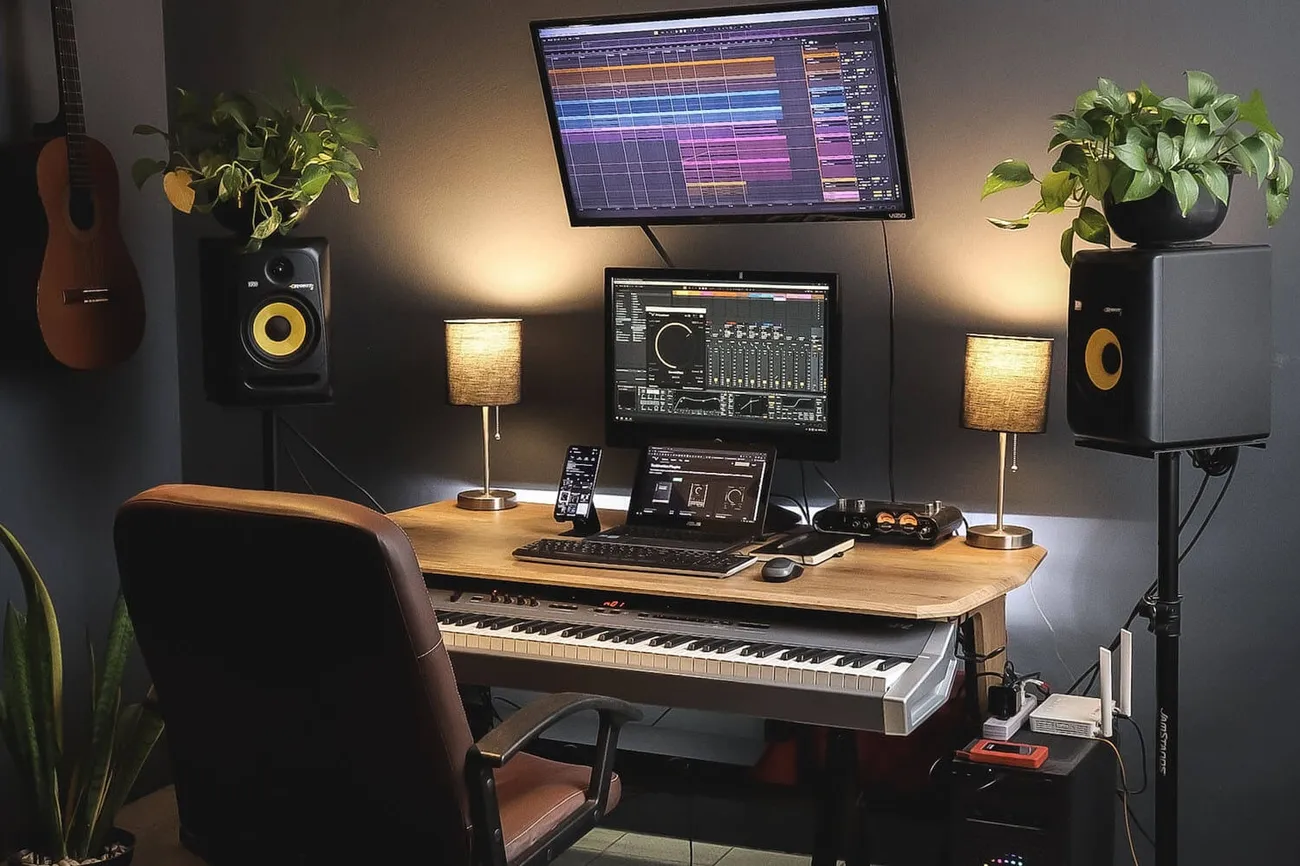
Image Source: House Nest
Melodic techno’s emotional power comes from its lead melodies, textural pads, and atmospheric elements. These components reshape the scene of technical productions into evocative sonic experiences that connect with listeners at a deeper level.
Lead synths: Serum vs Diva vs Pigments
Each synth brings unique advantages to lead design. Serum delivers clean, precise sounds with high-resolution wavetables that work perfectly for expressive arps and spectral textures. You can create perfect phrase-length morphing with its precision wavetable control. Diva shines with unmatched analog warmth that works especially when you have rounded leads and emotional chord stabs. The oscillator drift and filter behavior create that coveted “feel” factor, though it demands heavy CPU usage. Pigments excels with its hybrid capabilities and combines multiple engines (analog, wavetable, sample, granular) to create evolving textures and cinematic leads.
Pad layering and automation tricks
You need multiple complementary sounds to create effective pad layers:
Foundation layer: A simple waveform serves as your backbone
Ambient layer: A sound with slow attack/release adds atmospheric quality
Texture layer: Field recordings or noise at low volume create an organic feel
Filter cutoff automation over 16-32 bars adds movement. This steady development keeps the extended arrangements interesting. The velocity-based modulation on filter parameters adds subtle expressive detail without changing notes.
FX chains for space and movement
Effects processing creates depth in your mix. ValhallaDSP’s reverb creates immersive ambience, while EchoBoy adds rhythmic space design. Eventide Blackhole takes atmospheric sounds further with its size and modulation parameters. You can automate these over 16 bars to gradually “open the room” for a cinematic feel.
Conclusion
Melodic techno production has evolved dramatically from its Italian deep house roots. This piece explores proven techniques and tools that deliver results for producers in 2025. The sweet spot lies between 122-125 BPM, and minor keys like G minor and F# minor create that signature emotional foundation of the genre.
My tests show that proper kick layering through tools like PunchBox builds a solid foundation. Strategic hi-hat programming with subtle velocity changes adds a human touch, while rolling basslines made with Monark or Diva drive the energy that keeps listeners hooked through extended arrangements.
The soul of melodic techno lives in its atmospheric elements. Each synth contributes something special – Serum brings precision, Diva adds warmth, and Pigments creates evolving textures. When layered right, these elements create an immersive sonic experience that defines successful tracks.
Technical aspects serve a bigger purpose – they create emotional connections through sound. The genre runs on a balance of technical precision and genuine emotional depth. This allows producers to craft tracks that strike a chord both on massive club systems and personal headphone sessions.
The production process might look complex at first glance. A good studio setup, understanding of rhythmic patterns, and skills in atmospheric sound design will help you create compelling melodic techno. The genre will keep evolving, but these fundamental approaches stay relevant whatever direction the sound takes next.
Technical skills matter substantially, but your productions’ emotional quality determines their effect on listeners. These tools provide the means, but your creative vision breathes life into tracks that truly connect. With these tested techniques, you have what it takes to craft melodic techno that stands out in 2025’s competitive scene.