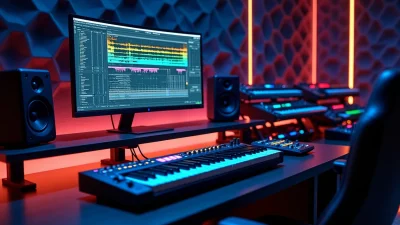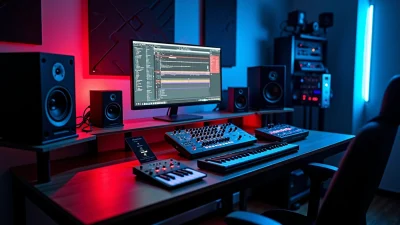
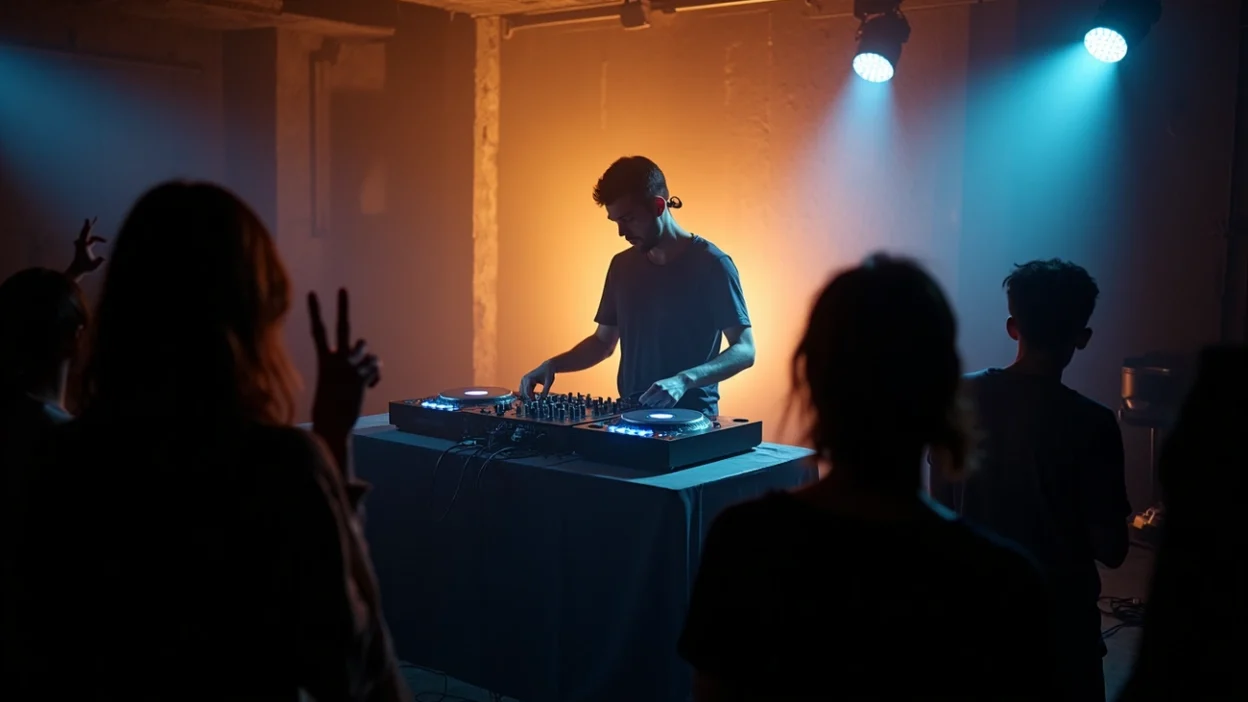
Techno artists continue to shape electronic music’s most forward-thinking sounds. The minimal and deep tech scene thrives in 2025, with rolling basslines and tight, stripped-back grooves defining the year’s most compelling releases. Artists like Kolter, Julian Fijma, and Jamback dominate the sales charts, yet a vibrant underground movement redefines the limits beneath the surface.
These groundbreaking techno DJs craft something entirely new instead of repackaging the past. The most exciting minimal techno artists shape dance music’s future through stylistic hybridization and steadfast creative vision. Minimal house resonates globally from Tokyo to Tulum, as both established names and emerging talents represent the scene’s brightest creators.
Let me take you beyond the bestseller lists in this piece to find the hidden talents reshaping techno music in 2025. These producers define tomorrow’s sound today and deserve your attention before their inevitable breakthrough into mainstream recognition.
What Makes a Minimal Techno Artist ‘Underground’ in 2025?
The underground minimal techno scene runs on a fundamentally different wavelength compared to mainstream electronic music. This distinctive ecosystem has grown into something more refined and purposeful than ever before in 2025.
Lack of Mainstream Exposure
Underground minimal techno artists succeed specifically because they exist outside commercial electronic music’s spotlight. The EDM boom of the 2010s prioritized dramatic drops and catchy hooks, but today’s minimal techno artists actively foster a certain invisibility. They don’t aim to be unknown—they want to reach the right audiences.
A philosophical divide separates the underground scene from commercial dance music. These techno artists retain their underground status by resisting mainstream influence and often operate from transient spaces that shift and adapt. Many events still take place in warehouses or secret locations, keeping alive the DIY spirit that defines authentic techno.
The sort of thing I love is how minimal techno has moved away from what critics once dismissed as an “inoffensive” sound. Producer Dana Ruh noted that “today, if you use the word minimal, some people roll their eyes”. All the same, a new generation of techno artists has reclaimed minimalism with renewed purpose and vision.
Unique Sound Signatures
Underground minimal techno’s sonic fingerprint in 2025 remains distinct and recognizable:
Precision in tempo: Sweet spot ranges between 125-130 BPM, with Richie Hawtin suggesting 128 BPM as the perfect tempo
Vintage hardware: Artists still build tracks around Roland TR-808 or TR-909 drum machines to maintain techno’s roots
Frequency focus: Minimal techno centers on middle frequencies, unlike minimal house with its deep bass emphasis
Mathematical approach: Critics describe the sound as “spartan,” “clinical,” and “scientific” in its precision
This stripped-back esthetic creates space for subtle development and nuance. Minimal techno artists emphasize texture and atmosphere rather than overwhelming listeners with layers. The music winds “into the very heart of repetition” and creates hypnotic experiences that reward patient listening.
Today’s minimal techno artists blend influences from microhouse, dub techno, and ambient while staying true to their core values of reduction and clarity. Their music demands attention—it doesn’t hit you immediately but “rewards with often insular, always mind-melting experiences”.
Community-Driven Growth
The underground minimal techno scene’s strength comes from its community structures. Labels, crews, and collectives value their independence and operate autonomously. DJs play extended sets that guide dancers through evolving musical landscapes and create shared experiences where “the boundary between performer and crowd blurs into a single, collective energy”.
These underground spaces serve as vital social hubs that provide a sense of belonging for alternative communities. They become platforms for social commentary and challenges to the status quo, using music to express collective experiences.
A global network of minimal techno scenes maintains tight interconnections while preserving local distinctiveness. Cities worldwide host intimate showcases that honor the DIY spirit and welcome international audiences. Regional cross-pollination creates hybrid substyles that carry techno’s core DNA but speak with unique geographic accents.
Minimal techno artists’ underground status in 2025 stems not just from their sound but from their participation in a “living conversation, constantly redefined by new voices, new technologies, and new cultural contexts”.
8 Hidden Minimal Techno Artists to Watch This Year
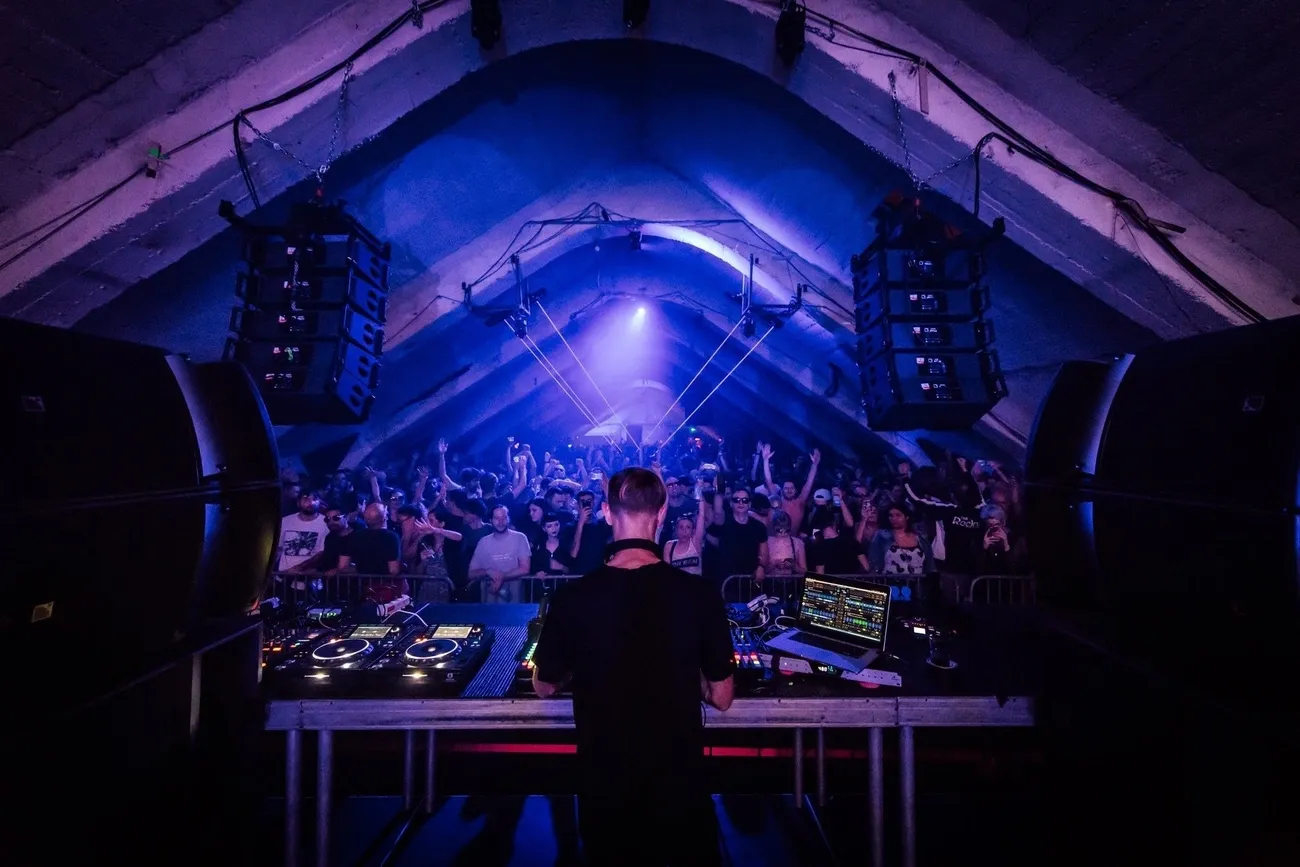
Image Source: Samplesound
The minimal techno scene keeps evolving through its most innovative creators’ vision and craft. Underground heroes now challenge what minimal techno can be—whether through stripped-back percussion, hypnotic rhythms, or unexpected sonic textures. Here are eight standout techno artists who shape club culture in 2025.
1. Kolter – Rolling Basslines and Club Tools
This Cologne-based producer used to work under the name DJOKO (a nickname combining [Jo]hannes + [Ko]lter). He has become one of modern minimal house’s most reliable names. Kolter switched to his real surname in 2023 and launched his label Kol.trax. Since then, he has released a steady stream of club-ready tools with rolling basslines and subtle grooves. His tracks like “Red Alert” and “15 Seconds Of Fame” show his talent to create irresistible tech house that balances underground sensibility with timeless appeal. Under aliases like H.K. and J.K. Rollin, he explores different aspects of his sound—from warm, soulful grooves to stripped-back late-night cuts.
2. Jamback – Percussive Minimalism
Jamback’s distinctively percussive approach to minimal techno sets him apart. His recent “Positive” track became an Ibiza ID that DJs and crowds were happy to hear. His chart-topping “Roaring 20’s EP” on PIV Records made waves and got support from heavyweight techno DJs like Chris Stussy, East End Dubs, and Sidney Charles. Jamback’s tracks strike a perfect balance between rhythmic complexity and dancefloor functionality—they work just as well in small clubs as they do at festivals.
3. Dan Molinari – Deep and Hypnotic
Dan Molinari creates minimal techno with a hypnotic edge that pulls listeners into deep sonic worlds. His tracks often appear among other respected names in minimal deep tech. His work with SLAMM for Revival New York shows his technical skill in minimal deep tech productions. Molinari lets tracks develop slowly through careful sonic details and evolving textures.
4. Sidney Charles – Groove-First Philosophy
Sidney Charles has become skilled at making “high impact house music that comes with a signature sense of depth, melody and groove”. His style features “thunderous basslines, the immediate impact of chunky drums, cavernous low frequencies, and rhythm that resonates with every fiber of your being”. The Hamburg-born DJ, producer, and label boss had his busiest year yet with several chart-topping releases, Radio 1 support, and standout gigs worldwide. His label Heavy House Society releases both his own work like the recent “Groove Avenue EP” and fosters new talent.
5. Malachiii – Minimal Meets Acid
Malachiii has made his mark in minimal techno by mixing in acid influences. His work with Adam Port and Stryv on Keinemusik hit #1 on Beatport’s General chart—quite an achievement for a minimal techno artist breaking into mainstream electronic music. His sound design mixes minimal techno’s hypnotic qualities with classic acid house’s psychedelic edge.
6. Crewcutz – Funky and Stripped-Back
Brazilian duo Crewcutz (Pedro and Felipe) make infectious grooves and captivating vocals that naturally connect with dancefloors. Their music has got support from big names like Michael Bibi, Jamie Jones, Pawsa, The Martinez Brothers, and Marco Carola. Their first sample pack offers over 325 unique samples with bass loops, percussion loops, and unreleased promos—showing their technical skill and thorough approach to production.
7. Marsolo – Step-Driven Rhythms
Marsolo has created his own style based on “smooth basslines, tight drums, and subtle, hypnotic rhythms”. His track “Step By Step” on tszr label shows how he builds minimal techno rhythms. He stands out by mixing minimal, deep, and funky house elements into a fresh, modern sound that strikes a chord with the underground scene.
8. Rossi. – UK’s Minimal Techno Vanguard
UK-based Rossi. ranks as “one of the UK’s most exciting minimal/tech house names”. His sets blend “stripped-down cuts, hats and percussion, laid on-top of jazzy and soulful basslines”. He’s a resident at F0RMS @ Fabric and has played for well-known parties like ABODE, Solid Grooves, and Zoo Project. Rossi. has supported major artists like East End Dubs, WAff, and Michael Bibi. Jamie Jones, waFF, and Apollonia played his debut track “RKiNn” at prestigious spots including DC-10 and Burning Man.
How These Artists Are Shaping the Future of Techno Music
These rising techno artists do more than just make tracks – they are changing the future of electronic music. Their influence reaches way beyond their releases and shapes broader trends in dance music culture.
Blending Genres Like House, Acid, and Breaks
The minimal techno scene of 2025 has broken down genre boundaries. Artists now naturally combine elements from:
House, minimal, techno, breaks, and acid – creating sets that can move from groovy to deep to hard based on the night’s energy
Microhouse, dub techno, deep tech, ambient, and experimental club music – they build on classic ’90s sounds with modern techniques
This mixing of styles represents a fundamental change in approach, not just a trend. “Everyone is playing a bit of everything,” says Liam Wachs (Desert Sound Colony), whose music combines UK bass density with tech house bounce. Michelle Vagi, a producer from Montevideo, creates “sinister, low-slung electro and acid” but admits, “I don’t think that I make minimal, I don’t even know how to make it”.
Reclaiming Dancefloors with Simplicity
Minimal techno’s growing influence comes from its basic principles. Detroit pioneer Robert Hood explains his original minimal vision: “I wanted to take it back to its essence… It’s not like I was setting out to make a minimal project. It was just that this is how I felt”. This philosophy now counters what many call the “maniacal excess” of harder techno styles.
DJs have returned to groove-focused music after years of overwhelming production styles. TC80 believes that “You don’t need to stack layers and layers of sound, and that keeps a minimal aspect to the music”. DJs and listeners love the genre’s clean production and hypnotic qualities that create immersive, meditative experiences.
Influencing Festival and Club Lineups
Minimal techno has grown from underground parties to major festival stages. Popular events that showcase these artists include:
Sunwaves (Romania), Waking Life (Portugal), Dimensions (Croatia), and Houghton Festival (UK) – each offers space for long sets and experimental sounds. These venues let minimal techno artists focus on “the groove” above everything else. Parisian producer Antoine considers it “the most important thing” in his productions.
This influence spreads beyond events into creative methods. Artists like Kia Sydney create a “kaleidoscopic” sound that breaks categories by mixing experiences from world travels into rotating rhythm patterns. A new generation finds inspiration in this boundary-pushing spirit, and one artist puts it simply: “My job is to play the music that I love and not feel restricted”.
The Role of Independent Labels and Collectives
Image Source: Telekom Electronic Beats
Independent labels are the foundations of underground minimal techno. These platforms give innovators a place to challenge sonic boundaries and help unique sounds reach audiences that might never hear them otherwise.
How Labels Like tszr and UNLISH Push the Sound
tszr is a 2-year old powerhouse in the minimal deep tech scene with 89,974 points on Beatport charts. UNLISH has earned 32,651 points and provides another vital platform that supports forward-thinking producers. Both imprints consistently back artists who develop their own distinctive sonic signatures within minimal techno.
ROSSI.HOME, Heavy House Society, and Koltrax have developed dedicated followings by putting quality ahead of commercial success. These labels work more like close-knit communities than traditional businesses and make shared creativity between artists possible.
Artist-Owned Imprints and Creative Freedom
Many techno artists find launching their own labels gives them complete creative freedom. “I created Footwork because I wanted to get a little bit more freedom,” explains Jay Lumen, whose imprint now ranks among Beatport’s 20 highest-selling labels. “If I release on my own label, I don’t need to wait for an answer from anybody.”
This independence lets producers:
Release music without external approval constraints
Showcase like-minded artists they find personally
Explore experimental directions outside genre expectations
Artist-owned labels adopt a DIY approach and support creators who value authenticity over popular trends. These imprints are vital incubators where techno music’s future evolves naturally through genuine artistic expression rather than market demands.
Where to Discover These Artists and Their Music
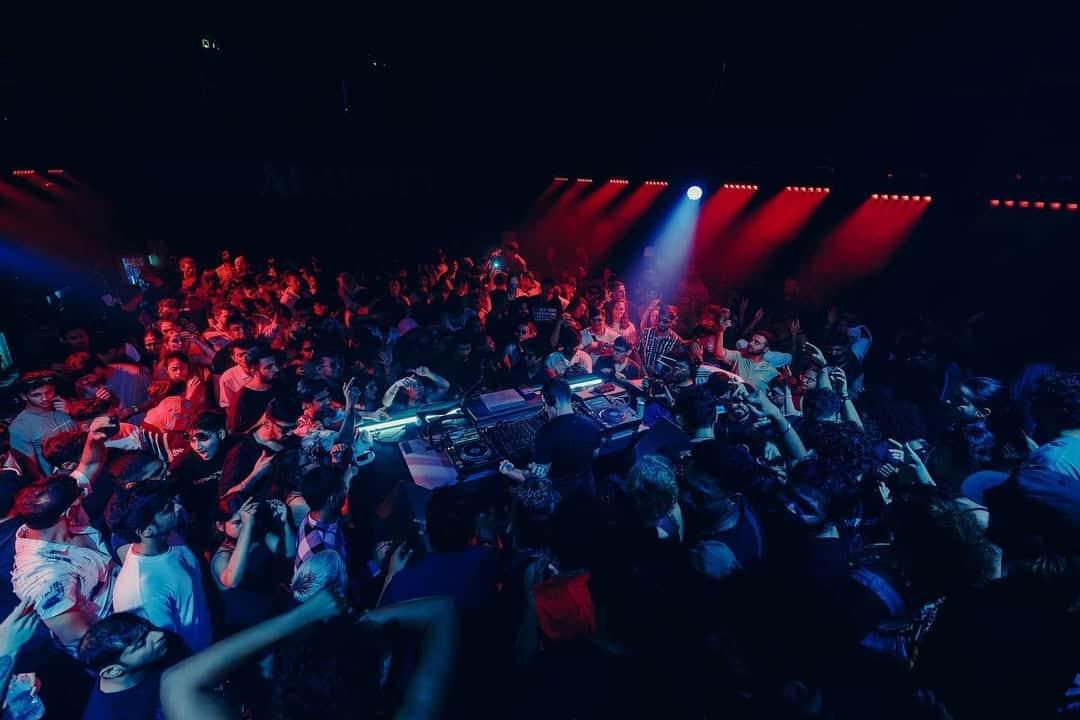
Image Source: Techno Airlines
You need to know the right places to find great minimal techno artists. Several platforms showcase these underground innovators.
Beatport Minimal / Deep Tech Charts
Beatport stands out as the go-to digital marketplace to find advanced minimal techno. Their Minimal/Deep Tech section has curated charts like “Best New Minimal/Deep Tech: December 2025” and artist-created selections. Jamback’s “Positive Extended Mix” leads the charts right now, while Julian Fijma and Kolter are among other standout entries. These rankings help you understand what’s hot in the genre.
Boiler Room and YouTube Sets
Boiler Room shows you minimal techno in its natural habitat through recorded performances. Their collection includes sets from both genre pioneers and rising stars, tagged under “Minimal,” “Techno,” and “House”. YouTube channels focus on extended sessions from underground events that happen in venues all over Europe. These visual platforms often launch artists’ careers by showing off their unique mixing styles.
Spotify Playlists and Curated Mixes
Spotify has many specialized playlists even though minimal techno stays underground. MusicMagic.io‘s “Deep Tech Minimal” playlist updates daily with “raw Minimal Techno and festival energy”. On top of that, platforms like Doubleclap Radio run weekly shows and themed specials that showcase tomorrow’s sound.
Conclusion
The underground minimal techno scene sits at a fascinating crossroads in 2025. Artists like Kolter, Jamback, and Malachiii have created their own unique sound signatures. They stay true to techno’s roots while challenging traditional boundaries through experimentation and mixing with other genres.
The movement’s real strength comes from its community-driven approach. Independent labels like tszr, UNLISH, and artist-owned imprints give creative freedom away from mainstream pressures. This DIY approach helps producers find sounds that might stay hidden otherwise. The scene stays fresh and keeps growing as a result.
The 2025 minimal techno scene shows a thoughtful return to basics. These artists have taken back the dancefloors with hypnotic rhythms and stripped-back grooves after years of over-the-top production trends. Subtle changes rather than dramatic shifts create deep experiences that reward listeners who take their time.
These hidden talents shape tomorrow’s sound today, even while staying under mainstream radar. Their influence reaches beyond single tracks to festival lineups and club culture worldwide. Minimal techno thrives as an ongoing dialog between artists and audiences, from Tokyo warehouses to Romanian sunrise sets.
This scene’s future looks bright. New hybrid styles emerge naturally as the lines between house, acid, breaks, and techno become less defined. The underground minimal techno movement shows us that electronic music’s most innovative changes often happen away from the spotlight—where creative vision matters more than commercial success.
Take a closer look at these hidden corners of the techno world when you want something beyond the usual electronic formulas. These artists offer something rare in today’s music—real authenticity, community spirit, and true dedication to moving sound forward while respecting its past.