Techno origins trace back to Detroit’s post-industrial landscape in the early 1980s, giving birth to a futuristic sound that continues to thrive today. While many electronic music genres have risen and faded, techno has shown remarkable longevity and global influence. Three pivotal pioneers shaped its evolution—Juan Atkins, Derrick May, and Kevin Saunderson—collectively known as the Belleville Three.
Juan Atkins stands out as techno’s pioneer, creating the first techno track “NO UFO’s” in 1985 under his Model 500 alias. Detroit’s original techno sound eventually found another home across the Atlantic. Europe—especially Berlin—emerged as techno’s new global epicenter by the early 2000s. The city didn’t replace Detroit but developed the sound further and introduced it to audiences worldwide. Berlin’s contribution to techno received recognition with UNESCO “World Heritage” status in 2024, highlighting the genre’s deep connection to the city’s identity.
This piece traces techno’s remarkable trip from its modest beginnings to its current position as one of electronic music’s most enduring and influential genres.
From Kraftwerk to the Belleville Three: The Early Foundations
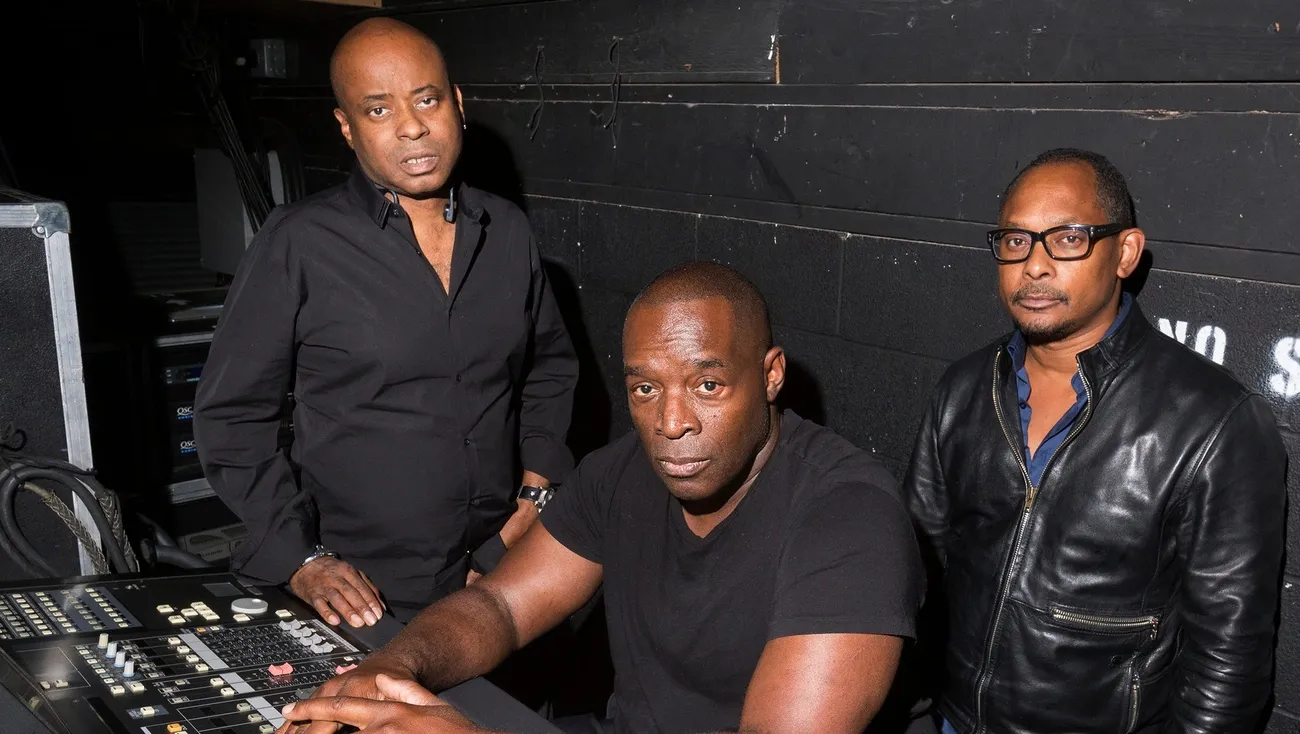
Image Source: Detroit Free Press
A sonic revolution emerged when European electronic precision merged with African American musical sensibilities, forever changing dance music. The birth of techno stems from an unlikely connection between a German electronic band and three teenagers from suburban Detroit.
Kraftwerk’s electronic blueprint
Kraftwerk revolutionized music after forming in 1970 with their synthesized, machine-tooled sound that many call the foundation of modern electronic music. The German quartet drew deep inspiration from American music, including Detroit-based acts like the Stooges, MC5, and Motown artists. Their groundbreaking album “Autobahn” (1974) showed a bold vision of music’s future by using electronic instruments to create pristine, computerized soundscapes.
Writer Kodwo Eshun captured Kraftwerk’s impact on techno perfectly: they “are to techno what Muddy Waters is to the Rolling Stones: the authentic, the origin, the real”. Detroit discovered this sound through an influential radio DJ, The Electrifying Mojo, who played tracks like “Trans-Europe Express” and “We Are The Robots” on his late-night show.
Juan Atkins remembers his first encounter vividly: “The first time I heard ‘Robots’ I just froze. My jaw dropped,” he recalled. “It sounded like the future”. This German-Detroit musical exchange became the life-blood of a new sound.
The rise of Detroit techno
Three high school friends from Belleville, a Detroit suburb—Juan Atkins, Derrick May, and Kevin Saunderson—shared a passion for an eclectic mix of music including Kraftwerk, Parliament, Prince, and Yellow Magic Orchestra. Detroit’s shift away from manufacturing created the perfect backdrop for their musical exploration.
The early 1980s brought more available electronic instruments, synthesizers, and drum machines. Atkins and May started DJing at Detroit parties under the name Deep Space Soundworks. They created a blend of dance music with mechanical sounds that mirrored their surroundings.
Derrick May later described Detroit techno as a “complete mistake… like George Clinton and Kraftwerk caught in an elevator, with only a sequencer to keep them company”. His clever description shows how they combined European electronic precision with American funk and soul elements to create something unique.
Who invented techno music?
Juan Atkins earned the titles “The Godfather of Techno” or “The Originator,” though all three Belleville members made substantial contributions. His trip began in 1981 when he formed Cybotron with Richard Davis. Their debut single “Alleys of Your Mind” sold 15,000 copies through their independent Deep Space label.
Atkins later recorded solo as Model 500 and launched his own label, Metroplex, in 1985. His landmark track “No UFO’s” stands as the first true techno production. The term “techno” itself came from Atkins, inspired by futurist author Alvin Toffler.
The trio’s distinct roles shaped the genre: Atkins as “The Originator,” May as “The Innovator” (known for his emotional “Strings of Life”), and Saunderson as “The Elevator” (whose Inner City project brought commercial success). Their foundation for electronic music surpassed Detroit’s boundaries.
The 1988 UK compilation “Techno! The New Dance Sound of Detroit” cemented the genre’s identity. They embraced the term “techno” to set their music apart from Chicago house, a name that traced back to Atkins’ early Cybotron days with tracks like “Techno City”.
These three friends from Belleville turned their personal experiments into a global phenomenon that altered the map of electronic music worldwide.
The 1990s: Subgenres and Sonic Expansion
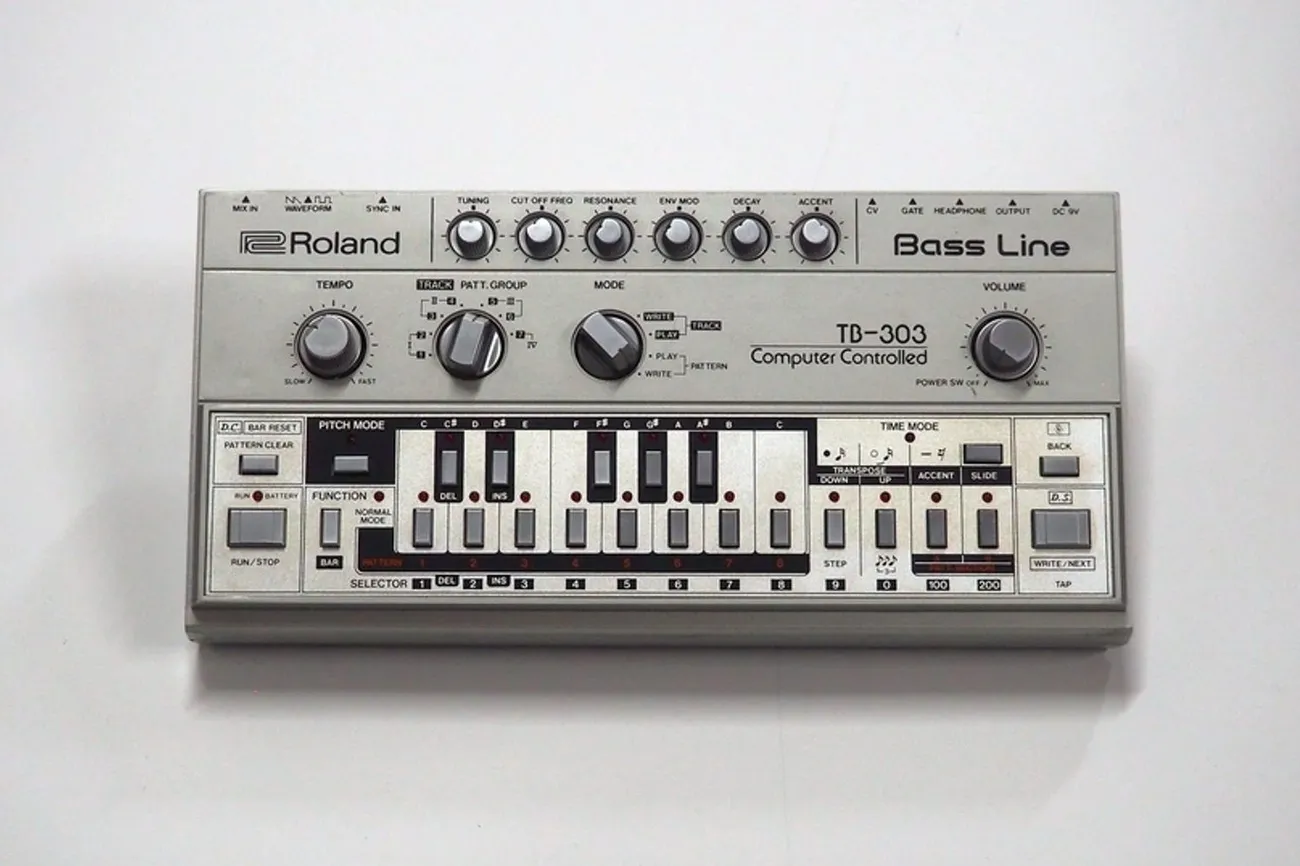
Image Source: Mixdown Magazine
The 1990s saw techno music expand dramatically from its Detroit roots into many innovative subgenres. Producers in Europe and America built on the Belleville Three’s foundation to expand electronic music through experimentation and new technology.
Ambient and Acid Techno emerge
Techno expanded and changed dramatically at the start of the decade. A new generation created numerous subgenres that showed their creativity. “Intelligent techno” became a more cerebral, minimalist approach that focused on intricate sound design rather than dancefloor appeal. Warp Records’ Artificial Intelligence showed how techno could be music for listening, not just dancing.
The rise of ambient techno brought artists like Future Sound of London and The Orb who created soundscapes for “chill-out rooms” where ravers could relax after dancing. B12, early Aphex Twin with Selected Ambient Works Vol. 1 (1991), and Biosphere with Microgravity (1991) mixed techno’s rhythmic elements with atmospheric, layered soundscapes.
Acid techno emerged with its distinctive “squelching” synthesizer sound. London’s underground scene embraced this genre, where artists like Chris Liberator and D.A.V.E. The Drummer energized squat parties with punk attitude and 303-driven tracks. Their 1997 compilation It’s Not Intelligent…And It’s Not From Detroit…But It’s F**king ‘Avin It cemented the sound in underground culture.
The influence of Aphex Twin and Plastikman
Richard D. James (Aphex Twin) and Richie Hawtin (Plastikman) left an indelible mark on 90s techno. James’s debut album Selected Ambient Works 85-92 shares similarities with the Velvet Underground’s first album in its influence-to-sales ratio. Warp Records called it “the birthplace and the benchmark of electronic music”. Radiohead’s Thom Yorke named Aphex Twin his favorite producer, saying “Aphex opened up another world that didn’t involve my fucking electric guitar”.
Richie Hawtin revolutionized techno through his Plastikman alias. His minimalist approach shone through in albums like Consumed (1998), which stripped techno to its core elements. DJ Mag described it as having “the physical presence of cathedral reverb,” and called Plastikman’s sound “dark in the extreme, a pitch-black excursion into electronic sound”. This minimalist style influenced techno for almost a decade, while Hawtin’s Minus label became the style’s standard-bearer.
The role of the Roland TB-303 and TR-909
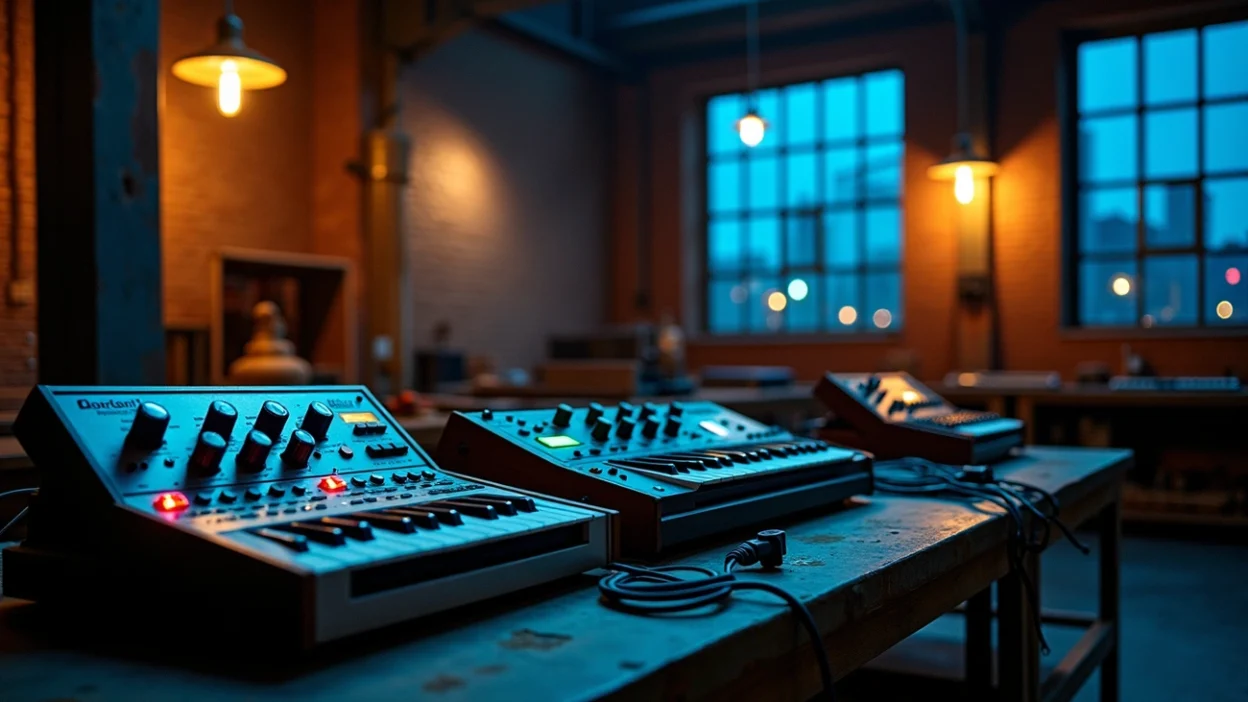
Two machines powered the sonic revolution of 90s techno. The Roland TB-303 bass synthesizer started as a commercial failure meant for guitarists but became techno’s signature instrument after producers found its unique “squelching” capabilities. Chicago’s DJ Pierre pioneered this sound, which spread to Britain through Ibiza and became the foundation of acid house and techno.
The Roland TR-909 drum machine provided the punchy, synthetic rhythms that defined techno. Its distinctive hi-hats and kick drums became the foundation for countless tracks. Artists like Plastikman showcased the 909’s potential through “skeletal grooves” in tracks like “Spastik”. These two machines created the sonic palette that shaped the decade’s music and beyond.
Techno managed to keep its underground spirit while gaining worldwide recognition as a legitimate art form, paving the way for its next phase of development.
Berlin’s Rise: A New Capital for Techno
The fall of the Berlin Wall in 1989 transformed the reunified city into an unexpected sanctuary for techno music. Abandoned spaces and newfound freedom promoted musical innovation. This defining moment in the history of techno music sparked a cultural renaissance that would forever connect Berlin and Detroit.
Post-reunification club culture
Underground parties thrived in abandoned buildings, bunkers, and power plants after East German authority collapsed. Berlin’s post-Wall landscape offered big, unregulated spaces where techno flourished 24 hours a day, unlike Western cities with strict licensing laws. The city’s affordable living costs drew artists and musicians from all over Europe, creating an international hub of creativity.
The city’s reputation as techno’s European headquarters grew through trailblazing clubs like E-Werk, UFO, and Tresor. Marathon dance sessions became central to Berlin’s techno identity because the clubs had no closing times. This stood in stark contrast to America’s more regulated nightlife scene.
Tresor and Berghain’s global effect
Tresor club opened in 1991 in a former department store vault and played a vital role connecting Detroit techno origins with European audiences. The club’s owner Dimitri Hegemann created a direct pipeline between Detroit innovators and Berlin’s enthusiastic crowds. Tresor Records released music from both Detroit pioneers and emerging European producers.
Berghain later became the world’s most infamous techno institution from its home in a former power station. The club’s notoriously selective door policy, photography ban, and cavernous industrial esthetic became a template for techno spaces worldwide. Resident DJs like Marcel Dettmann and Ben Klock helped define the “Berlin sound” with its hypnotic, stripped-down techno.
Detroit techno origins meet European minimalism
Berlin’s producers took techno in a new direction by emphasizing minimalism and removing elements until only essentials remained. This esthetic approach went together with one another with Detroit originators’ sparse, futuristic vision while adding distinct European sensibilities. Labels like Basic Channel, Chain Reaction, and Ostgut Ton developed this sound throughout the 1990s and 2000s.
This transatlantic exchange created a feedback loop. Detroit’s techno music origins continuously influenced Berlin’s interpretation and vice versa, ensuring techno’s continued development into the 21st century.
Techno’s Global Identity and Cultural Impact
Techno has grown into a worldwide cultural force that goes way beyond entertainment, spreading far from its roots in Detroit and Berlin. In fact, this electronic sound transformed from its techno origins into a powerful tool that builds communities and drives social change.
Techno as a form of social and political expression
Techno carried political messages from day one, reflecting its creators’ lives. The sound emerged as artists responded to Detroit’s urban decay. Early pioneers created futuristic soundscapes that helped them escape their post-industrial reality while commenting on it. This tradition grew stronger as techno spread across the globe and became the soundtrack for social movements and political expression.
The genre symbolized Western freedom in European countries, especially in post-Soviet regions. It gave people a shared voice against authoritarian control. Ukrainian techno scene embraced this political aspect fully. Events like Cxema turned into platforms where progressive values and resistance flourished.
The underground ethos and safe spaces
Techno culture’s heart beats with the goal of creating spaces where different communities feel they belong. This comes straight from techno’s roots in Black, LGBTQ+, and marginalized communities. Underground venues and warehouse parties created spaces where social barriers melted away on the dancefloor.
The underground spirit isn’t just about looks—it creates safe spaces where people express themselves freely outside mainstream boundaries. Even as techno becomes more commercial, authentic techno experiences worldwide still hold tight to these values of inclusivity.
Techno’s role in shaping electronic music culture
The genre shaped countless electronic music styles with its production techniques and sonic esthetics, starting from its Detroit techno origins. Techno also brought new cultural practices that became standard in electronic music:
DJs earned recognition as artists instead of just playing records
Extended sets became musical trips rather than random track collections
The producer-as-artist model replaced traditional band structures
Techno’s influence now reaches way beyond nightclubs into fashion, visual art, and even academic studies. The genre keeps inspiring creative communities worldwide while staying true to its revolutionary roots.
The Present and Future of Techno
Techno music grows faster each day. It builds on its Detroit techno origins while embracing advanced technology and production techniques. Producers are giving new life to the sound that began in the Motor City decades ago.
Modern techno production trends
Artists now mix genres freely. They blend classic techno with Afrobeat rhythms, UK garage basslines, and trance-inspired melodies. Sound designers turn construction site and train station recordings into unique textures through granular tools. Many musicians use hybrid workflows that combine analog hardware with digital precision. DJs now prefer live performances with equipment like the Elektron Octatrack and Roland TR-8S.
AI-assisted tools and modular gear
AI technology changes how we make techno music. These tools create complex patterns, melodies, and complete tracks. Software like LALAL.AI and MOISES.AI lets more people separate audio stems – something only top producers could do before. Modular synthesizers have made a comeback, and artists use them to create evolving, unpredictable sounds that fit techno’s industrial style. These systems connect different modules to shape complex textures you can’t get from regular equipment.
Where techno music is heading next
AI will grow from a helper to become a key part of making music. In spite of that, human creativity stays crucial—most artists see AI as a tool, not a replacement. Virtual reality raves are coming soon, along with haptic technology that lets fans “feel” the bass. Through all these changes, techno keeps its ties to its revolutionary Detroit techno origins while it challenges electronic music’s boundaries.
Conclusion
Techno music is one of electronic music’s most enduring and influential genres. Its remarkable trip from Detroit’s post-industrial landscape to Berlin’s abandoned warehouses shows its staying power. The genre has managed to keep its core identity while adapting to new cultural contexts and technological possibilities.
The Belleville Three—Juan Atkins, Derrick May, and Kevin Saunderson—created something way beyond their imagination. They experimented with synthesizers in suburban Detroit. Their futuristic vision blended Kraftwerk’s mechanical precision with African American musical traditions. This sound found its second home across the Atlantic, where abandoned buildings and political freedom created perfect conditions for techno to grow.
The 1990s saw techno branch into many subgenres that redefined the limits of technology. Artists like Aphex Twin and Richie Hawtin reshaped the scene. The Roland TB-303 and TR-909 became iconic machines that defined techno’s distinctive sound.
After the Wall fell, Berlin became techno’s new global hub. Clubs like Tresor and Berghain didn’t just shape the city’s nightlife—they changed how the world understood techno culture. Berlin techno’s UNESCO recognition in 2024 acknowledged a cultural legacy that started thousands of miles away in Detroit.
Techno has grown beyond just being a music category. The genre serves as social and political expression, creates safe spaces for marginalized communities, and pioneers cultural practices now common in electronic music. On top of that, it shapes fashion, visual art, and academic discourse while staying true to its revolutionary roots.
Modern techno uses innovative technology, artificial intelligence, and modular systems but honors its core principles. Despite tech advances, human creativity remains key—most artists see AI as a helpful tool rather than a replacement for artistic vision.
Without doubt, techno will keep evolving technically and culturally. All the same, its lasting power comes from balancing future breakthroughs with respect for tradition—a dynamic tension that started when three friends from Belleville created electronic music that sounded like tomorrow.